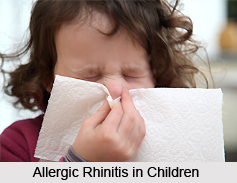
 Allergic rhinitis is defined as inflammation of the nasal membranes and is characterised by a symptom that consists of any combination of sneezing, nasal congestion, nasal itching, and rhinorrhea. The eyes, ears, sinuses, and throat can also be involved in Allergic rhinitis. Allergic rhinitis is the most common cause of rhinitis and is extremely common condition, affecting approximately 20% of the Indian population. While allergic rhinitis is not a life-threatening condition, several complications can occur and the condition can damage one`s health, which leads to a number of indirect costs.
Allergic rhinitis is commonly known as a runny nose and is the medical term describing irritation and inflammation of some internal areas of the nose. The primary symptom of Allergic rhinitis is nasal dripping. It is caused by chronic or acute inflammation of the mucous membrane of the nose due to bacteria, viruses, or irritants. The inflammation results in the generating of excessive amounts of mucus, commonly producing the aforementioned runny nose, as well as nasal congestion and post-nasal drip. Allergic rhinitis has also been found affect negatively the organs like nose, throat, and eyes. It has been associated with sleeping problems, ear conditions, and even learning problems. Rhinitis is caused by an increase in histamine and this increase is most often caused by airborne allergens. These allergens may affect an individual`s nose, throat, or eyes and cause an increase in fluid production within these regions.
Allergic rhinitis is categorised into three types, namely non-allergic (vasomotor) rhinitis includes autonomic, hormonal, drug-induced, atrophic, and gustatory rhinitis, as well as Rhinitis medicamentosa; allergic rhinitis, the most common of the three; infective rhinitis that includes acute and chronic bacterial infections; is an allergic reaction brought about by pollen, mold, animal dander, dust and other similar inhaled allergens. Vasomotor rhinitis is also known as non-allergenic rhinitis, because it has the same symptoms as allergies, but has different causes. Allergenic rhinitis conditions like hay fever are the result of the immune system overreacting to environmental irritants like pollen and others.
The cause of vasomotor rhinitis is oversensitive or excessive blood vessels in the nasal membrane. These blood vessels are controlled in turn by the autonomic nervous system; they contract or expand in order to regulate mucus flow and congestion. But in the vasomotor rhinitis sufferer, oversensitive or excessive blood vessel dilation or contraction causes an overreaction to such stimuli as the changes in weather, temperature, or barometric pressure, chemical irritants such as smoke, ozone, pollution, psychological stress and emotional shocks, perfumes, and aerosol sprays, certain types of medications, alcohol, and even spicy food. Thus, while a normal person`s nose may run on a very cold day, a vasomotor rhinitis sufferer`s nose starts running or goes completely dry, simply by walking into a slightly colder (or slightly warmer) room, or from eating food that is slightly warmer or cooler than room temperature. While a normal person may tolerate a certain degree of cigarette smoke, the vasomotor rhinitis sufferer may experience noteworthy discomfort from the same level of smoke, etc.
The pathology of vasomotor rhinitis is in fact not very well understood and more research is needed. Vasomotor rhinitis appears to be significantly more common in women than men, leading some researchers to believe hormones to play a role. In general, age of onset occurs after 20 years of age, in contrast to allergic rhinitis, which generally appears before age 20. Individuals suffering from vasomotor rhinitis typically experience symptoms all across the year, though symptoms may aggravate in the spring and fall when speedy weather changes are more common. Many patients can be subject to vasomotor rhinitis and allergic rhinitis together. Vasomotor rhinitis is a common condition that often goes unrecognized in women.
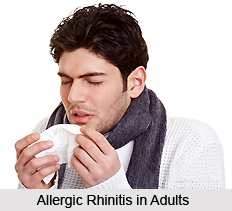 When a person with a sensitised immune system inhales an allergen such as pollen or dust, it triggers antibody production. These antibodies mostly join the mast cells, which contain histamine. When the mast cells are stimulated by pollen and dust, histamine and other chemicals are released, causing itching, swelling, and mucus production. Symptoms of Allergic rhinitis vary in severity from person to person. Very sensitive individuals can experience hives or other rashes. Sufferers might also find that cross-reactivity occurs. An evidence of this is the occurrence of an itchy throat after eating an apple or sneezing when peeling potatoes or apples. Some disorders of Allergic rhinitis may be associated with allergies like Comorbidities, eczema, asthma, depression and migraine. The two categories of allergic rhinitis include seasonal and perennia. Seasonal allergic rhinitis occurs particularly during pollen seasons and usually does not develop until after 6 years of age. Perennial allergic rhinitis occurs throughout the year and is commonly seen in younger children.
Allergic rhinitis triggered by the pollens of specific seasonal plants is known as `hay fever`, because it is most widespread during haying season. It is particularly prevailing from late May to the end of June in the Northern Hemisphere. However, it is possible to suffer from hay fever throughout the year and the pollen, which causes hay fever, varies from person to person and from region to region; generally speaking, the tiny, hardly visible pollens of wind-pollinated plants are the predominant cause. In addition to individual sensitivity and geographic differences in local plant populations, the amount of pollen in the air can be a factor in whether hay fever symptoms develop. Hot, dry, windy days are more likely to have increased amounts of pollen in the air than cool, damp, rainy days when most pollen is washed to the ground.
Treatment of Allergic Rhinitis
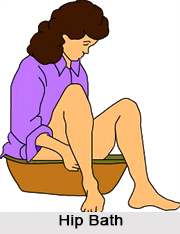
The objective of Allergic rhinitis treatment is to reduce the symptoms caused by the inflammation of affected tissues. In cases of allergic rhinitis, the most efficient way to decrease allergic symptoms is to completely avoid the allergen. Allergic rhinitis can typically be treated much like any other allergic condition. Eliminating exposure to allergens is the most effective preventive measure. Many people with pollen allergies reduce their exposure by staying indoors during hay fever season, particularly in the morning and evening, when outdoor pollen levels are at their highest. It is because many allergens get easily attached to clothing, skin, and hair, regular cleaning reduces exposure and therefore symptoms. Many people bathe before sleeping, to reduce their exposure to potential allergens that could have stuck to their bodies during the day. Some people use nasal irrigation to physically remove contaminants from their noses. Frequently, cleaning floors and washing bedding can significantly reduce local irritants such as dust, pets and visitors.
Several antagonistic drugs are used to stop the action of allergic mediators and prevent activation of cells and degranulation processes. These include antihistamines, hydrocortisone, cortisone, epinephrine (adrenaline), dexamethasone, theophylline and cromolyn sodium. Many allergy medications can have unpleasant side effects, drowsiness; more serious side effects such as sinusitis, asthma, and even nasal polyps have also been reported however. Systemic Glucocorticoids such as Triamcinolone or Prednisone are useful at reducing nasal inflammation, but their use is restricted by their short duration of effect and the side effects of extended steroid therapy. Topical decongestants may also be helpful in reducing symptoms such as nasal congestion, but should not be used for long periods as stopping them after expanded use can lead to a bounce back of nasal congestion or Rhinitis medicamentosa.
Allergic rhinitis can be treated without any effort if detected in proper time. The symptoms are close to normal cold and cough. However, specific symptoms do indicate the occurrence of Allergic rhinitis and demands attention.