


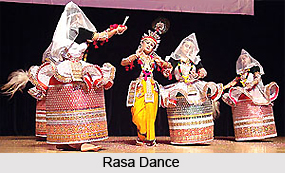
 Vaishnavite dance forms are popular in India for the religious and spiritual elements present in the songs as well as in performance. These dances have been established with devotional connotations which focus on the relationship between Lord Krishna and his beloved Radha. In terms of pure devotion, India has a long history of Vaishnavite rituals. Vaishnavite dance forms are popular in India for the religious and spiritual elements present in the songs as well as in performance. These dances have been established with devotional connotations which focus on the relationship between Lord Krishna and his beloved Radha. In terms of pure devotion, India has a long history of Vaishnavite rituals.
History of Vaishnavite Dance Forms The Vaishnavite movement began during the 15th and 16th centuries in the country. This movement glorified the endearing relationship of Lord Krishna and his beloved Radha to depict the relationship between individual soul and the supreme soul. This movement was initiated by various saints and consisted of the childhood escapades of Krishna and his dalliance with the 108 gopis and especially with Radha. 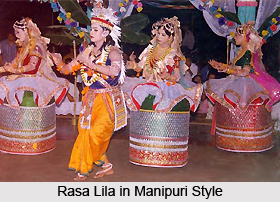 Theme of Vaishnavite Dance Forms
Vaishnavite culture had grown over the central theme of Lord Krishna. Several saints were engaged in the movement and all of them introduced a metamorphosis of worshiping Lord Krishna. They commenced the Vaishnavite dance forms that emphasise the love and devotion for Lord Krishna. This form of dance produces a state of ecstasy in which the presence of God could be realized. Thus, the dance forms are practised for a long time in India. The lyrical fervour made the dance form popular. At present the whole of country has certain sects performing the dance forms of Vaishnavite tradition. Popularity of Vaishnavite Dance Forms Satriya dance is among the Indian classical dances that have its origin in the island of Majuli, in Assam. This dance form was introduced by Srimanta Shankar Dev who was from the Vaishnavite sect. This dance was introduced to propagate their religion. South India also has a rich cultural history of Vaishnavite tradition. The worshippers of God Vishnu offer their homage through the dances. These dances have thus gained historical popularity. Among the north eastern states of India, besides Assam, Manipur also has a long association with the Vaishnavite dance forms. Manipur is renowned for Manipuri classical dances and most importantly Rasa lila or Rasa dance. This dance describes the traditional story of Krishna. Vaishnavite dance forms are described in the Gita Govinda. Rasa Lila is identified as "Dance of Divine Love". Rasa lila is characterised by delicate, lyrical, graceful rhythmic footwork, and intricate hand movements. Mainly in this dance form, movements are peculiar as they continuously flow into the other without any break between them. The rasa lila plays a vital role in the Krishna Bhakti traditions and according to Bhagavata Purana whoever hears or describes the Rasa lila attains Krishna's pure loving devotion. |
| |||



Vaishnavite Dance forms
| Vaishnavite dance forms offer devotion to Lord Krishna and glorify his dalliance with the Radha and the gopis. |
| ||||||||||||||||||||||||||||

