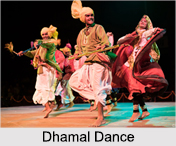
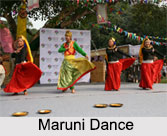
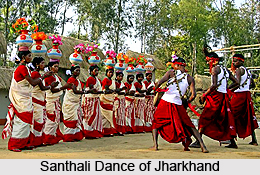
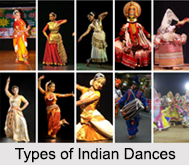
 North Indian Dances represent a prosperous multiplicity. North India was the centre of ancient kingdoms, such as Maurya Empire, Gupta Empire, Mughal dynasty and British Indian Empires which introduced diverse culture to the region. The northern part of the country was influenced by both Hindu and Muslim customs. The states Jammu & Kashmir, Himachal Pradesh, Uttar Pradesh, Punjab, Haryana and Uttarakhand reflect an amalgamation of these two religious cultures. Consequently, the music and North Indian Dance reflect the miscellany of different traditions and customs too.
Different North Indian Dances
Following are the Different North Indian Dances:
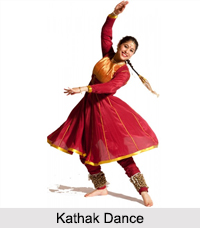
Kathak Dance: "Kathak" is celebrated as a classical dance form which originated with the nomadic bards of ancient northern India. This classical dance form of northern India witnessed a sharp decline during the British Rule however it gained back its grand position once again after the independence. At present, "Kathak" is among the Indian Classical dances with a combination of the past.
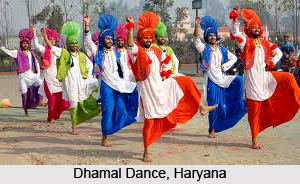
Bhangra Dance: "Bhangra" with its thumping music is performed in occasions like weddings and other traditional festivals.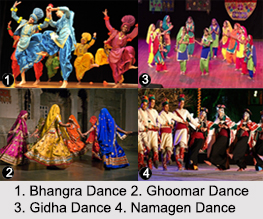
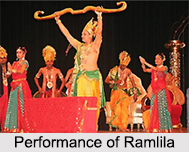
Ras Leela Dance: The "Ras Leela" is the most well-liked form of folk dance of India, particularly in the festivals of "Krishna Janmashtami" and "Holi" in the regions in "Mathura" and "Vrindavan" in Uttar Pradesh.
Garba Dance: "Garba" is the most famous dance form in India. The traditional "garba" dance from Gujarat is performed around the statue of "Goddess Shakti" during the festival of "Navaratri".
Ghoomar Dance: "Ghoomar" is in the list of the most amazing local dances in India. The traditional folk dance "Ghoomar" is performed by the women of "Bhil tribes" along with other Rajasthani communities.
Dumhal Dance: `Dumhal` is a type of dance from Kashmir. It is presented by the dancers wearing long colourful wraps and tall pointed caps, studded with beads and shells. The performers sing as well, with drums to assist their lyrics. The performers move in a ceremony manner and dig a banner into the ground in a set location. The dance begins with the men dancing around this banner.
Hurka Baul Dance: "Hurka Baul" is presented in paddy and maize cultivation, in different fields. The singer narrates the story of battles and heroic deeds, while the dancers enter from two opposite sides and perform the stories, in a series of hard movements. The farmers form two rows and move backwards, in harmony.
Hikat Dance: "Hikat dance" is performed by women and comes across as a change of a game played by children. The participants expand their arms to the front, gripping each other`s wrists. With their body persuaded back, they go round and round at the same spot.
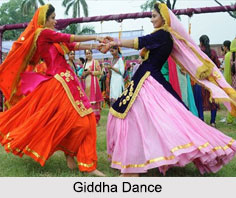
Gidha Dance: This dance is performed by the women of Punjab. In this dance form, a woman or a pair of women dances at a time, while the others surround them and clap in rhythm. The dance is largely performed during the festival of "Teeyan", to welcome the rain.
Dhamyal Dance: This dance can be performed by men alone as well as with women. The "Duph", after which the dance form is named, is a circular drum, played lightly by the male dancers.
Namagen Dance: The autumn season is famous in Himachal Pradesh by a dance performance called "Namagen".