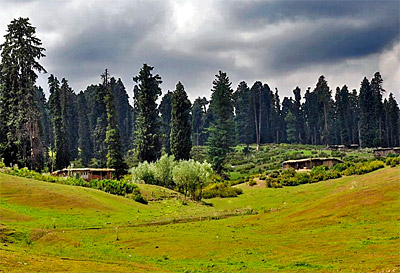
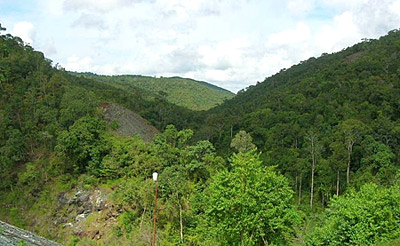
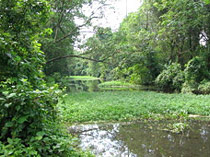
 Located in the foothills of Eastern Himalaya in the Sonitpur District of Assam, the Nameri National Park is a well known wildlife sanctuary in the north-eastern India. The park is the second Tiger reserve of Assam and is located about 35-km from the Tezpur town. The park area is influenced by the tropical monsoon that causes rainfall to be seasonal and heavy. The average annual rainfall in the park is 3,400 mm between the months of May and September. The Nameri National Park is one of the richest areas in the world in terms of Plant Functional Type and Plant Functional Complexity. Nameri National Park is also popular as one of the most favourite tourist destinations in north-eastern India.
Geography of Nameri National Park
Nameri National Park was established as a sanctuary on 18th September 1985 and was officially declared as a National Park on 15th November, 1998. It is counted amongst the richest and most threatened reservoirs of plant and animal life in the world. It has the Pakhui (Pakke) Sanctuary of Arunachal Pradesh located on its Northeastern side. The Nameri National Park covers a huge area of 200 sq. km. and extends up to east and south west bank of the river Bor Dikorai from interstate boundary at Sijussa to the left bank of Jia Bharali River. The park also extends up to the south bank of Balipara Reserve Forest. The Jia Bharali River and its tributaries like Diji, Dinai, Doigurung, Nameri, Dikorai, Khari, etc. are flowing along the Nameri National Park. The area is uneven and the park`s altitude range is from 80 meters along the river banks to 225 meters in the central and northern parts.
Flora of Nameri National Park
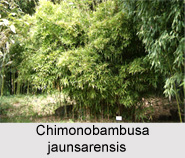
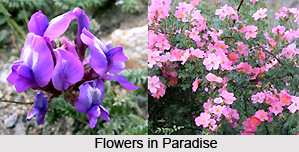
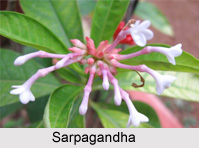
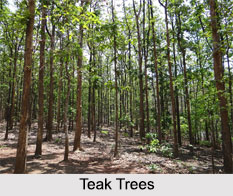
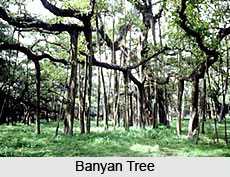
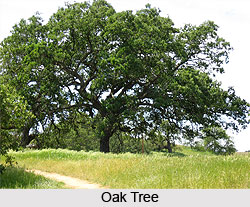
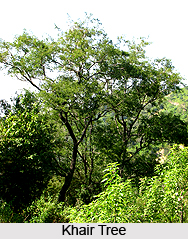
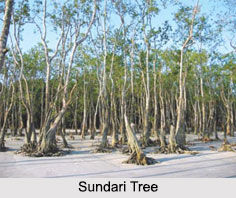
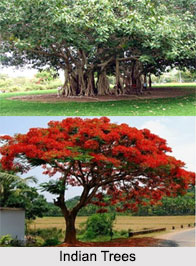
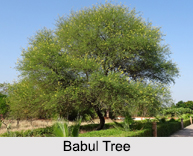
The Nameri National Park has quite rich natural vegetation with numerous species of medicinal and commercial plant species. Most parts of the park are covered by moist mixed Deciduous Forests and it provides shelter to more than 600 species of plants. The tropical evergreen and Semi-evergreen forests mingle here with the moist deciduous forests. The other forest types like cane and bamboo brakes and narrow strips of open grassland can also be found in this park.
 Some of the most common and dominant plant species in the park include Albizzia lucida, Albizzia procera, Amoora wallichii, Artocarpus chaplasha, Baccaurea sapida, Bischofia javanica, Bombax ceiba, Canarium strictum, Castanopsis indica, Cordia dichotoma, Cinnamomum cecicodaphnea, Dendrocalamus hamiltonii, Dillenia indica, Duabanga grandiflora, Duabanga sonneratoides, Dysoxylum procerum, Endospermum Chinese, Lagerstroemia flos-reginae, Litsea sebifera, Mesua ferrea, etc. Apart from these, the other species like Morus roxburghii, Premna bengalensis, Pseudostachyum polymorphum, Pterospermum acerifolium, Sapium baccatum, Shorea assamica, Sterculia hamiltonii, Syzygium cumini, Terminalia citrina, Terminalia myriocarpa, Trewia nudiflora, Vatica lanceaefolia, etc. are also found in the Nameri National Park.
Fauna of Nameri National Park
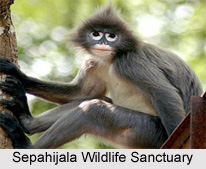
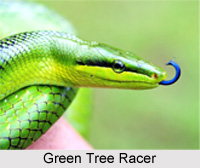
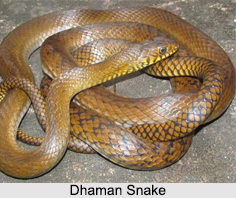
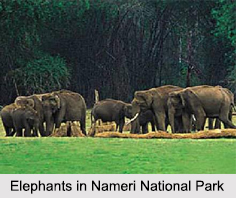
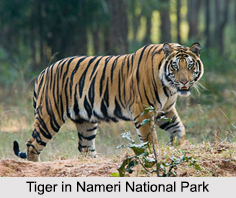
Nameri National Park is most famous for being exceptionally rich in faunal resources. The park provides natural habitat to more than 30 species of mammals and is one of the most important conservation area for Tiger and Elephants. Apart from these two species, there are also several other mammal species found in the park, including Leopard, Clouded Leopard, Indian Bison, Pangolin, Indian wild dog, Civet Cat, Capped Langur, Jackal, Sambar, etc. Many species of reptiles like Snakes, Crocodiles, Turtles or Tortoises are also found in the park.
 Bird Fauna of Nameri National Park
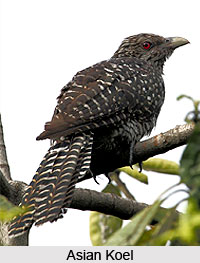
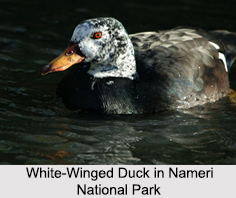
The bird fauna of the Nameri National Park is richer than the natural vegetation and mammal fauna species of the park. The Park provides natural habitat to more than 400 species of birds, out of which, the most important one is the White-Winged Ducks. Apart from this, the other notable bird species found in the park include the White-Cheeked Partridge; the Great Wreathed, and Rufous-Necked Hornbills; Ruddy, Blue-Eared, and Oriental Dwarf Kingfishers; Oriental Hobby, Amur Falcon; the Jerdon`s and Black Baza; the Pallas`s, Grey-Headed Bulbul, and Lesser Fish Eagles; Silver-Backed Needletail etc. The other important bird species like the Mountain Imperial Pigeon, Blue-Naped Pitta, Slender-Billed Oriole, Hill Blue Flycatcher, White-Crowned Forktail, Sultan Tit, Black-Bellied Tern, Jerdon`s Babbler, Rufous-Backed Sibia, Yellow-Bellied Flowerpecker, Red-Throated Pipit, Long-Billed Plover, Ibisbill etc. can also be found in the park.
Visiting Information to Nameri National park
The best time to visit the park is between the months of November and March. Salonibari Airport in Tezpur is the nearest one to reach the Sonitpur District. Sonitpur is connected to three main railway stations and they are Biswanath Chariali, Rangapara and Dekargaon. Direct trains are available from Kolkata and Delhi to these stations. Regular buses are available by Assam State Transport Corporation to reach the district by road. Sonitpur is 187 km from Guwahati.