Sthala Puranas
|
Sthala Puranas, is the short Puranas concerning to particular places, sacred spots ideal for building temples.
|
|
|
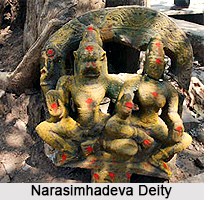 Indian Puranas are the religious texts of the religions such as Hindus, Jains and Buddhists. The Puranic texts are either written or orally transferred from one generation another since ancient days. One of the vital Puranic texts is identified as the Sthala Puranas. These texts explicitly describe the origins and traditions of particular temples or shrine. Basically, the term, Sthala means a particular "spot" in Sanskrit. According to Puranic history there are numerous Sthala Puranas written in vernacular language. However, several texts come in Sanskrit versions also. In addition to that Sthala Puranas texts have been researched in Tamil too. Indian Puranas are the religious texts of the religions such as Hindus, Jains and Buddhists. The Puranic texts are either written or orally transferred from one generation another since ancient days. One of the vital Puranic texts is identified as the Sthala Puranas. These texts explicitly describe the origins and traditions of particular temples or shrine. Basically, the term, Sthala means a particular "spot" in Sanskrit. According to Puranic history there are numerous Sthala Puranas written in vernacular language. However, several texts come in Sanskrit versions also. In addition to that Sthala Puranas texts have been researched in Tamil too.
According to mythological facts, there are 330 million gods and goddess associated with certain beliefs. Each deity is worshipped in the temples and all the gods and goddesses find their mention in the epics and legends of the country. Thus Sthala Puranas tell the tales of these places of worship. Almost all the gods and goddesses are worshipped in the temples. Each temple has its own significance and traditions.
Sthala Puranas explain the glorious places which attain significance as sacred spots. The glory of these is narrated in the Tevaram of the Nayanmars and in the pasurams of the Azhvars. The Tamil devotional works are 1, 500 years old and provides information of the antiquity of these Puranas. In addition to that Sthala Puranas explain the importance regarding the situation of the idols of worship within the temple. For instance, the Perumal of the Srirangam temple in Tamil Nadu has an idol and it faces south.
Various stories are associated with the position of the idols. There is an explanation in the Sthala Puranas that states that Vibhisana was returning to Lanka after attending the enthronement of Sri Ramacandra, Rama gave him the idol of Ranganatha that he himself had been worshipping. On his way the idol got installed on the island evaded by the Kaveri. Thus out of concern for Vibhisana, laid Sri Ranganatha idol facing south. This incident finds its importance in the Sthala Purana of Srirangam.
|
|
|
|





