|
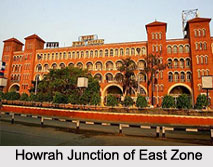 Indian Railways Zones are categorised into various divisions. Each of these Indian Railway Zones has a separate headquarter. The entire administration of the Indian Railway Zones is looked after by the Government of India. Indian Railways Zones are categorised into various divisions. Each of these Indian Railway Zones has a separate headquarter. The entire administration of the Indian Railway Zones is looked after by the Government of India.
Functions of Indian Railway Zones
Indian Railways is the 4th largest railway system in the entire world that carries around 8.107 billion passengers and about 1.101 billion tons of freight, annually and almost 3 million tons of cargo, on a daily basis. Thus, it can be comprehended is an important means of transportation in India. Besides the citizens of India, a large number of foreigners also avail Indian railway services. 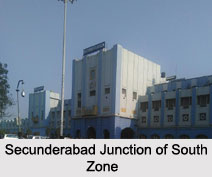 Indian Railway Zones perform various administrative and managerial functions to develop Indian Railways. Time and again new projects and services are introduced so that the Indian railway Zones can offer latest comforts to the travellers. Besides the outstation trains connecting different Indian states, there are several local trains as well handled by the different Indian Railway Zones. Several facilities have been arranged for the passengers so that they have a comfortable journey. Computerised reservation facilities, easy cancellation procedures, proper retiring rooms, catering services on trains and numerous such services are offered to the passengers of Indian Railways and the Indian Railway Zones play an important role in providing these facilities in their respective divisions. Indian Railway Zones perform various administrative and managerial functions to develop Indian Railways. Time and again new projects and services are introduced so that the Indian railway Zones can offer latest comforts to the travellers. Besides the outstation trains connecting different Indian states, there are several local trains as well handled by the different Indian Railway Zones. Several facilities have been arranged for the passengers so that they have a comfortable journey. Computerised reservation facilities, easy cancellation procedures, proper retiring rooms, catering services on trains and numerous such services are offered to the passengers of Indian Railways and the Indian Railway Zones play an important role in providing these facilities in their respective divisions.
The Indian Railway Zones and their respective headquarters and divisions are given below.
| Name of the Zones |
Divisions |
| Central Railway Zone (Mumbai) |
Bhusawal, Nagpur, Mumbai, Solapur, Pune |
| Eastern Railway Zone (Kolkata) |
Malda, Howarh, Sealdah, Asansol |
| East Central Railway Zone (Hajipur) |
Danapur, Dhanbad, Sonepur, Mughalsarai, Samastipur |
| East Coast Railway Zone (Bhubaneshwar) |
Khurda Road, Waltair, Sambalpur |
| Northern Railway Zone (New Delhi) |
Ambala, Ferozpur, Lucknow NR, Moradabad, Delhi |
| North Central Railway Zone (Allahabad) |
Allahabad, Jhansi, Agra |
| North Eastern Railway (Gorakhpur) |
Lucknow NER, Varanasi, Izatnagar |
| North Western Railway Zone (Jaipur) |
Bikaner, Jodhpur, Jaipur, Ajmer |
| Northeast Frontier Railway Zone (Guwahati) |
Katihar, Lumding,Tinsukia, Alipurduar, Rangiya |
| Western Railway Zone (Mumbai) |
Bhavnagar, Mumbai Central, Ratlam, Rajkot, Vadodara, Ahemdabad |
| West Central Railway Zone (Jabalpur) |
Jabalpur division, Bhopal, Kota |
| Southern Railway Zone (Chennai) |
Chennai district, Madurai, Palakkad, Tiruchirapalli, Thiruvananthapuram, Salem |
| South Central Railway Zone (Secunderabad) |
Secunderabad, Hyderabad, Guntakal,Vijaywada, Guntur, Nanded |
| South East Central Railway Zone (Bilaspur) |
Nagpur SEC, Bilaspur, Raipur |
| South Eastern Railway Zone (Kolkata) |
Kharagpur, Chakradharpur, Adra, Ranchi |
| South Western Railway Zone (Hubli |
Bengaluru, Mysuru, Hubli |
| Konkan Railway Zone (Navi Mumbai) |
|
Apart from the Indian Railway Zones, there are metro railways which are part of the Indian railways. They do not form a part of the Indian Railway Zones and are as good as the local trains.
|





