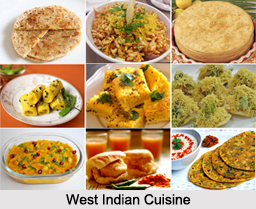
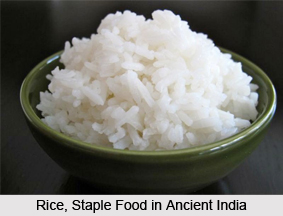
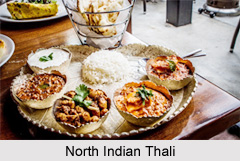
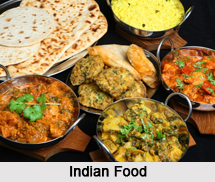
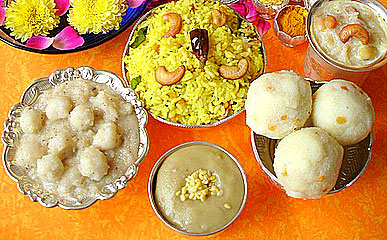
 India is coloured by the juxtaposition of cosmopolitan via rural hues enjoying different religions breathing together within the penumbra of mystified background of diversified cultures. All the religious beliefs celebrate their own festivals and culinary skills associated with the same. Festivity adds colour to religious emotions enriching the brotherhood love of third world Indians. Fellow feeling runs myriad through the colonized veins of this festivity driven tribe. Thus, it is the group celebration, the content of collective identity that is brought forth. Each particular religion has their distinct dish to mark the celebration; some mapped by the influences of the various regal autocracies that reined them or by the varied religious beliefs and the festival cuisine depends on the popular faiths. Indian Festive Foods have become popular in the other countries too.
India celebrates its religious festivals almost all the year round. These festivals offer a great opportunity to enjoy the traditional delicacies. These dishes are cooked using the traditional recipes. Moreover, these traditional recipes have been passed on from generations to generations. Each festival brings ceremonious food. In addition to that, these special recipes provide a great opportunity to discover and taste the delicacies of Indians. Major festivals of India such as Diwali, Holi, Eid or Christmas prepare sweets which receives attraction among the Indian Festive Foods.
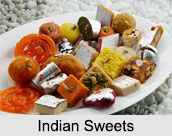
Every festival in India has a different approach towards food, for example Holi offers an opportunity to enjoy some of the best sweet delicacies. Among the Indian Festive Foods, a wide diversity in cooking is experienced. Diwali is one of the grand festivals celebrated all over the country. It is one of the major Hindu festivals and is celebrated for five- days. Besides being a bright festival, Diwali, this festival also follows the custom of offering sweets to the deities who are worshipped and sharing those as blessings. Diwali Delicacies include sweets which are prepared traditionally. The dish also includes food such as delicious rawa laddoos to gathia and other mouth watering delights.
Christmas Delicacies also form a significant part of the Indian Festive Foods. Christmas is a celebration of a gala feast. Christmas cakes and cookies are included in the delicacies. A taste of delightful cakes, snacks and cookies are offered in this festival. Ramzan Eid Delicacies is enjoyed by the Muslim community as well as by the other communities. This is one of the Indian Festive Foods that provide marvellous dishes. The EID delicacies include mutton korma, badami ghosht, badami phirni, sheer korma or seviyan.
Other Indian Festive Foods comprise Durga Puja Delicacies, Navratri Delicacies, Makar Sankranti Delicacies, Holi Recipes Delicacies. All these are major Hindu festivals and special emphasis is laid on the sweets. Pongal Delicacies and Onam Delicacies reflect the taste of southern part of India. Pongal the harvest festival of Tamil Nadu and offers two main dishes such as `Sweet Pongal` and `Salt Pongal` along with other dishes of rice and `Avial`, which is a concoction of vegetables.
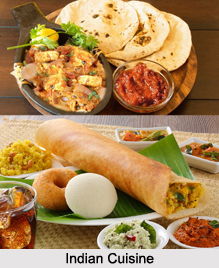
The grand feast of Onam is served in a special manner. `Onasadhya`, is an impressive spread of delicacies which is served in Banana leafs. Other delicacies such as curries, `pappadams` (round crisp flour cakes), `achaars` (pickles) and `payasams` and `prathamans` as desserts as well as fruits are also served as a part of the dish. Indian Festive Foods are available in variety and it is reflected in the special Navratri cuisine. The culinary delights include special courses which are strictly vegetarian. Specific ingredients and vegetables are used that vary from one region to another. However, dishes prepared with milk, curd; fruits and nuts.