Classical Poetry in Sanskrit Literature - Informative & researched article on Classical Poetry in Sanskrit Literature
  Indianetzone: Largest Free Encyclopedia of India with thousand of articles Indian Literature


in  
Art & Culture | Entertainment | Health | Reference | Sports | Society | Travel
Forum  | Free E-magazine
Indian Literature : Indian Literature l History of Indian Literature l Sanskrit Literature l Indian English Literature l Regional Indian Literature l Indian Comics l Indian Poetry l Indian Literary Personalities l Indian Epic Poetry l Renaissance in Indian Literature l Indian Novels l Indian Literary Organisations l Indian Literary Movements l Contemporary Indian Literature l Medieval Indian Literature l Ancient Indian Literature l Themes In Indian Literature l Genres in Indian Literature l Influencing Factors On Indian Literature l Forms of Indian Literature l Religious Influence on Indian Literature l Modern Indian Literature l Vedas
Home > Reference > Indian Literature > Sanskrit Literature > Classical Poetry in Sanskrit Literature
Classical Poetry in Sanskrit Literature
Classical poetry in Sanskrit literature unveils the scholarly works of the great Sanskrit poets.

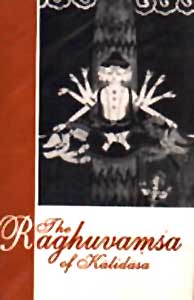
Raghuvansa by Kalidasa, Classical Poetry in Sanskrit LiteratureClassical poetry in Sanskrit literature can absolutely and blindly be referred to as the most prolific, most scholarly, most erudite and the most exhaustively-researched work ever to have been accomplished in ancient India. The amount of effort and exertion put in by authors like Kalidasa or Sriharsha, bear eminent proof in the invention of the verse metres or other poetic specifications still being espoused. Every line emoted a profound sense of pathos, of exaltation or even satire to their most bitter extent; umpteen commentaries on the classical form of poetry have been published ever since, that perhaps can only be envisaged by the limit of Sanskrit literature and attempts at its revival.

Classical poetry pertains to that section of verse developed approximately from the 3rd to 8th centuries. Kalidasa is the foremost example coming under this Classical category. An impressive characteristic in this particular Sanskrit literary tradition is that sometimes poets had the habit to flaunt their technical adroitness employing highly structural word-games, like stanzas that read the same backwards and forwards, words that could be split in different ways to create different meanings, sophisticated metaphors, and so forth. This distinctive style is referred to as Kavya. An authoritative example under this Sanskritic literary genre is the poet Bharavi and his magnum opus, the Kiratarjuniya (6th-7th century). Yet another luminary in this verse category, Magh is respected for his epic poem (Mahakavya) Shishupala Vadha, the 20 cantos of which are based upon the Mahabharata episode where the insolent king Shishupala is beheaded by Krishna`s sudarshana chakra.

The greatest works of Classical Sanskrit poetry in this period are the five Mahakavyas, or interpreted into English as "great compositions", comprising: Kum?rasambhava by Kalidasa, Raghuvansa by Kalidasa, Kiratarjuniya by Bharavi, Shishupala Vadha by M?gha and, Naishadha-Charita by Sriharsha. However, a specific bunch of scholars also include the Bhattikavya as the sixth Mahakavya. Other major Sanskritic literary works from this period include Kadambari by Banabhatta, the first Sanskrit novelist (6th-7th centuries), the Kama Sutra by Vatsayana and the three shatakas of Bhartrhari.

(Last Updated on : 13/03/2009)
  More Articles in Sanskrit Literature
 
Contribution of South India to Sanskrit Kumarasambhava Sanskrit Literature During the Gupta Age
Titles of Honour in Sanskrit Proficiency Tulsidas Kalidasa
Anala Narayana Bhattatiri Rajasekhara
Dhvani Mallinatha Bharavi
Mattavilasa Prahasana Appaya Dikshita Ananda Giri
Fairy tales and fables in Sanskrit Literature Classical Poetry in Sanskrit Literature Scholarly treatises in Sanskrit Literature
Panini Bhatti Kavya Bhartrihari
Gadyakarnamrita Jayadeva Geeta Gobinda
Kalhana Kathasaritsagara Harisena
Vatsabhatti Raghuvanga Bharavi
Bhatti Kumaradasa Magha
Asvaghosha Shishupala Vadha Amaru
Sanskrit Secular Poetry Sanskrit Religious Poetry Sanskrit Anthologies
Sanskrit Gnomic Poetry Sanskrit Didactic Poetry Origin of Fable in Sanskrit
Historical Kavya in Sanskrit Literature Banabhatta Brihatkatha
Dandin Subandhu Vasavadatta
Somadeva Development of Sanskrit Literature Brihatkathmanjari
Sanskrit Scientific Literature Origin of Sanskrit Lexicography Features of Sanskrit Literature
School of Early Poetics    
Recently Updated Articles in Indian Literature
  • Arunakiriyar
    Arunakiriyar was a Tamil poet saint who is credited with the composition of the devotional poetic anthology titled Thiruppugazh. The work is devoted to Lord Murugan.
  •  
  • Thiruppugazh
    Thiruppugazh or Tiruppukal is a poetic anthology in Tamil language that is devoted to Lord Kartikeya, known as Murugan in Tamil. It was composed by a poet saint named Arunakiriyar.
  •  
     
  • Astappirapantam
    Astappirapantam is a popular poetic anthology series in Tamil Literature. Several of the peotic works in Astappirapantam anthology were written with astonishing talent and creativity.
  •  
  • Talapuranams
    Talapuranams in Tamil literature were implemented as instruments for describing tales based on real life situations. The most well known Talapuranam was composed by Parancoti.
  •  
  • Puranas in Tamil Literature
    Puranas in Tamil literature were primarily based on the Sanskrit Puranas. Some of the renowned Tamil Puranas are Kantapuranam, Ilinkapuranam, Kurmapuranam, Ariccantira puranam and others.
  •  
    E-mail this Article | Post a Comment
    RSS Feeds
    Forum
    Forum on Indian Literature

    Free E-magazine
    Subscribe to Free
    E-Magazine on Indian Crafts
     
     
    Classical Poetry in Sanskrit Literature - Informative & researched article on Classical Poetry in Sanskrit Literature
    Sitemap
    Contact Us   |   RSS Feeds
    Copyright © 2008 Jupiter Infomedia Pvt. Ltd. All rights reserved including the right to reproduce the contents in whole or in part in any form or medium without the express written permission of Jupiter Infomedia Pvt. Ltd.