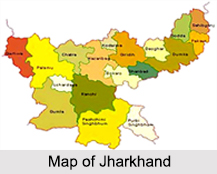
 Jharkhand is comprised with the twenty-four administrative districts. A district magistrate or a deputy commissioner heads it. The district magistrate or the deputy commissioner is assisted by a number of officials belonging to different wings of the administrative services of the state. A Superintendent of Police is ushered with the responsibility of maintaining law and order and related issues in the districts of Jharkhand.
Garhwa District
Garhwa District of Jharkhand has its headquarters at Garhwa Town. This district has an agriculture based economy and more than 80 per cent of the population depends on agriculture.
Gumla District
Gumla District, an administrative district of Jharkhand, came into existence on 18th May 1984. Gumla District has a total of 68 per cent of tribal population. Most of the people of this district are engaged in agriculture.
Koderma District
Among all other districts of Jharkhand Koderma District is the gateway of the state. It is popularly known as the mica capital of the country. After being carved out of Hazaribagh District, Koderma came into being on 10th of April 1994.
Bokaro District
Bokaro District is one of the 24 districts of Jharkhand, with Bokaro Steel City as its headquarters. This district was formed in the year 1991. Bokaro Steel Plant is located in this district of Jharkhand.
West Singhbhum District
West Singhbhum District is an administrative district of Jharkhand forming the southern region of the state. The majority of the population of West Singhbhum District comprises tribal population.
Simdega District
Simdega District located in Jharkhand was formed on 30th April, 2001. The administrative responsibility of the district is vested with the Deputy Commissioner.
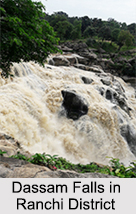 Ranchi District
Ranchi is one of the most important districts of Jharkhand, which has a colourful history and demographic varieties. Ranchi is also called the city of waterfalls and lakes.
Dumka District
Dumka District of Jharkhand has its headquarters at Dumka. This district occupies an area of 3716 sq kms. The geographical features of Dumka District include forests, rivers and hill ranges.
Giridih District
Giridih District, which acquired the status of an independent district on 6th December 1972, has a close association with the parent district Hazaribagh. Giridih is the administrative headquarters and the principal town of the district.
Pakur District
Pakur District of Jharkhand has its headquarters at Pakur Town. Initially, this district was a part of Sahibganj District. Pakur District is famous for stone industry.
Palamu District
The districts of Jharkhand also include Palamu District in them, which is popular for Palamu Sanctuary or better known as Palamau Tiger Reserve. This administrative district of Jharkhand has its headquarters at Daltonganj.
Sahibganj District
Sahibganj District of Jharkhand is principally a tribal district with its administrative headquarters located at Sahibganj. Sahibganj District came into existence on 17th of May, 1983.
Deoghar District
Deoghar District, one of the most popular districts of Jharkhand, is also known as Baidyanath Jyotirlinga shrine. This district comprises seven blocks.
Lohardaga District
Lohardaga District is mainly a tribal district of Jharkhand. Lohardaga is one of the districts of Jharkhand, which comprises a fine blend of forests, tribes and useful mineral resources.
East Singhbhum District
East Singhbhum District of Jharkhand has its headquarters at Jamshedpur. This district is known for its industries and tribal culture. East Singhbhum District among all other districts of Jharkhand also offers several attractive tourist spots.
Godda District
Godda District is one of the administrative districts of Jharkhand with its headquarters located at Godda. Initially, this district was a part of Bihar.
Hazaribagh District
Hazaribagh District is one of the administrative districts of Jharkhand with its headquarters at Hazaribagh. This district is covered with vast dense forests and it enjoys a pleasant climate throughout the year.
Latehar District
Latehar is one of the districts of Jharkhand, which was formed on 4th April 2001. The administration of the district is vested with the Deputy Commissioner.
Chatra District
Chatra is one of the 24 districts of Jharkhand having Chatra as its administrative headquarters. Chatra covers an area of 3706 square km.
Jamtara District
Jamtara is also one of the districts of Jharkhand with the administrative headquarters in Jamtara.
Ramgarh District
Ramgarh, being one of the 24 districts of Jharkhand was the military district during British era, which was then called Ramghur district.
Khunti District
Khunti comes under the South Chotanagpur division and it was carved out of Ranchi district.
 Dhanbad District
One of the 24 districts of Jharkhand Dhanbad is the administrative headquarters of this district, which is the second most populous district after Ranchi.
Seraikela Kharsawan District
Seraikela is formerly known as the Princely State of Seraikella. The district is well known for Seraikela Chhau dance, which is one of the three styles of Chhau dance.