Shiva in Yogic practice
|
Shiva in Yogic practice is revered as Shiva the Yogeshwar. Lord Shiva in this posture is considered as relentless meditator.
|
|
|
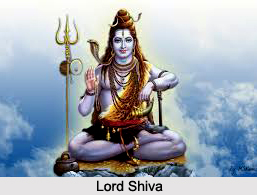 Shiva in Yogic practice is known as the Mahayogi; the ideal Yogi Shiva with his spiritual practices, covered with his incredible abilities. Shiva stands as the symbolic representation of all Hindu deities. In Hinduism Shiva is revered for three primary roles; the Yogi, the destroyer and the preserver. Yogeshwar Shiva, the lord of Yoga, surpassed all form of the absolute, explored the entire evolution of life and consciousness through Yoga. Shiva in this posture depicts an elongated state of deep serenity in an undisturbed meditation. A number of pictures and in countless stories Shiva is depicted as sitting in elongated state of deep serene in undisturbed meditation. The Yogic form of Shiva is typified and heightened by the presence of his third eye. The form of Shiva in Yogic practice reveals the timelessness of Shiva. He then transcends the present, the past and even the future. Shiva in Yogic practice is known as the Mahayogi; the ideal Yogi Shiva with his spiritual practices, covered with his incredible abilities. Shiva stands as the symbolic representation of all Hindu deities. In Hinduism Shiva is revered for three primary roles; the Yogi, the destroyer and the preserver. Yogeshwar Shiva, the lord of Yoga, surpassed all form of the absolute, explored the entire evolution of life and consciousness through Yoga. Shiva in this posture depicts an elongated state of deep serenity in an undisturbed meditation. A number of pictures and in countless stories Shiva is depicted as sitting in elongated state of deep serene in undisturbed meditation. The Yogic form of Shiva is typified and heightened by the presence of his third eye. The form of Shiva in Yogic practice reveals the timelessness of Shiva. He then transcends the present, the past and even the future.
Legends, myths and stories are there in Hindu mythology asserting the fact of Shiva being the Yogiraj. The stories reason out the fact of his engagement in yogic feats and above all the over all presence of Shiva in Yogic practices. As revealed by the stories, Shiva, on his retreat to Kashi was angry, mournful and upset by heart as he has cut off the head of Brahma, the creator and smeared with blood. Shiva realized that he could not find the higher truth within this manifest realm. He was contemplating over the facts that are plaguing his soul was trying to perceive the ingrained truth beyond the veil of illusion that is Maya. At the end he found the solution through the practice of 'yoga'- the nexus of the soul and the Supreme, where humanity and Nature merge with the higher consciousness of the cosmos.
The form of Shiva in Yogic practice is worshipped as the insistent meditator. In Hindu mythology it is said that Shiva, facing dakshina, the south, seated on a tiger skin, divulged the knowledge of yoga without any dakshina to his devotees. This was named as Dakshinamurti which means the great cosmic teacher. He annunciated the realities of existence related to "Purusha", the serene cosmic spirit that stands still beyond the reach of time and space, and the other is prakriti, the Nature, the cosmic substance, the source of time and space, that remains in a state of complexity.
Lord Shiva who is considered as the 'deity of yogis par excellence' explained the mystery of yoga. Hindu mythology affirms that the role of Shiva in yogic practice is immense. Shiva explained the mystery of Pranayama, the way to control the movement of "prana". Samadhi, the state to reach above all subjectivity, can be attained through the practice of dharana and Dhyanaand this leads to Moksha. Shiva through his yogic practice remains the basis of all existence, the corner stone of all natural phenomena. The image of lord Shiva in yogic practice portrays the pulsating process of destruction and then creation without an end.
|
|
|
|





