


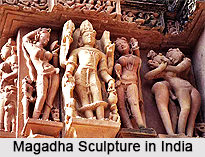
 Magadha Sculpture was the age where the earliest remnants of architecture and sculpture are found after the Indus Valley Civilisation. This was one of the sixteen mahajanapadas of ancient Indian and a number of empires have ruled over it. Two dynasties emerged that changed the art, culture and life of Magadha. The Mauryas and the Guptas were instrumental in creating an architectural heritage of which Indian is proud of even today. The Magadha sculpture, hence, embodies the artistic brilliance and splendour. The culture of Magadha was in some ways different than the Vedic kingdoms of the Indo-Aryans. Magadha Sculpture was the age where the earliest remnants of architecture and sculpture are found after the Indus Valley Civilisation. This was one of the sixteen mahajanapadas of ancient Indian and a number of empires have ruled over it. Two dynasties emerged that changed the art, culture and life of Magadha. The Mauryas and the Guptas were instrumental in creating an architectural heritage of which Indian is proud of even today. The Magadha sculpture, hence, embodies the artistic brilliance and splendour. The culture of Magadha was in some ways different than the Vedic kingdoms of the Indo-Aryans.
History of Magadha Sculpture 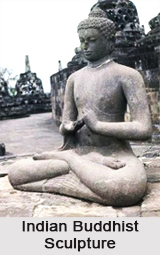 It was the Mauryan sculpture that attracted the attention of the world with its lofty pillars, lion thrones, the railings of the stupas and other colossal sculptures. In fact emperor Ashoka is often hailed as the first ruler to ‘think in stone’. Besides the artistic wizardry, the Mauryan architecture and sculpture are of great religious and historical value. These works of art include the finest specimens of Buddhist Indian sculpture. It was the Mauryan sculpture that attracted the attention of the world with its lofty pillars, lion thrones, the railings of the stupas and other colossal sculptures. In fact emperor Ashoka is often hailed as the first ruler to ‘think in stone’. Besides the artistic wizardry, the Mauryan architecture and sculpture are of great religious and historical value. These works of art include the finest specimens of Buddhist Indian sculpture.
The Gupta Empire preceded the Mauryan dynasty. Their rule is considered the golden Age in India. Art and architecture flourished like never before. The contribution of the royal patronage in this development could not be denied. The Gupta sculpture led to the formation of two schools of thought: the Mathura School (North India) and Gandhara School (South India). The sculptures created in these schools were primarily Buddha images. The similarity between the Mauryan and Gupta sculptures lies in the fact that both concentrated on religious sculptures and architectures. Features of Magadha Sculpture The features of the Mauryan sculpture were reflected mostly in the spiritual monuments which were stiffed throughout the reign. Later, the golden age of Guptas accompanied in India. The features of Gupta sculpture are found in the cave temples of India. These cave temples comprise Ajanta and Ellora. From concerning 545 BC to 550 AD Magadha was the hub of cultural movement. The characteristics of Magadha sculpture and architecture fetch a lot of diversity to light on the forms of caves, pillars, and chaityas. Rock cut architecture also developed in India during the high point of the Magadha dynasty. Larger stone sculptures and architectural monuments such as the stupa at Bharhut and the famous Great Stupa at Sanchi were the features of Pushyamitra Shunga rule which was an early Indian dynasty from Magadha. |
| |||



Home > Art & Culture > Indian Sculpture > History of Indian Sculpture > Ancient Indian Sculpture > Magadha Sculpture
Magadha Sculpture
| Magadha Sculpture includes the remarkable pieces of art from both Mauryan and Gupta dynasties. |
| ||||||||||||||||||||||||||||

