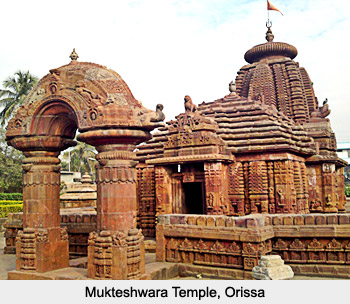
 Indian history does not only comprise kings, battles, revolts and the freedom movement. Rather it also includes Indian culture, art, architecture, music, dance, sculpture, painting and of course, literary activity. The features of Indian sculptures, architecture, music, painting, etc reflect the assimilation and influence of several cultures that arrived with her invaders. Besides the foreign influences the Indian style also evolved, especially, in the field of temple building.
While tracing the history of Indian architecture and sculpture it is indeed necessary to discuss about the earliest human civilization. Indian was the seat of Indus Valley Civilization that flourished in 7000 BC. The features of Indus Valley sculptures and architecture were completely discretely different from the later ages. The well planned cities are unique examples of urban civilization. Whether it was the terracotta sculptures or other architectural ornamentations the style of Indus Valley is inimitable. This mode was also known as the Mehrgarh style of architecture.
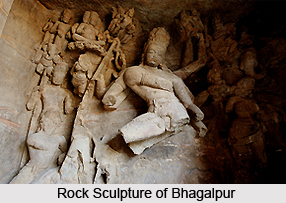
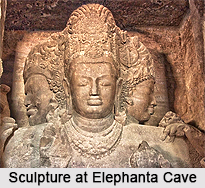
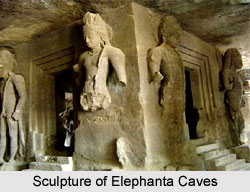
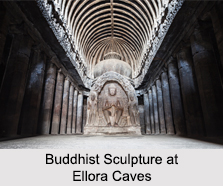
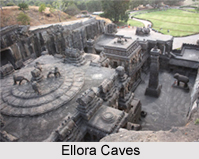
The features of Ancient Indian sculptures also incorporate the features of Vedic Indian sculpture (1500 BC-200 AD). What followed the Vedic India was the emergence of the Mauryans in Magadha (North India). Magadha remained the center of cultural activity for a long time from 545 BC to 550 AD. Numerous kingdoms have ruled over the 16 mahajanapadas of Magadha but the most remarkable empires were that the Mauryans (321 BC - 184 BC) and the Guptas (240 AD - 550 AD). The features of the Mauryan sculpture were mainly reflected in the religious monuments built during the age. Later the golden age in India ushered in with the Guptas. The features of Gupta sculpture are to be found in the cave temples of India that include Ajanta and Ellora.
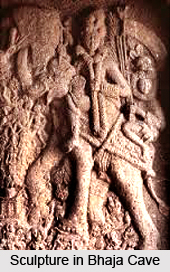
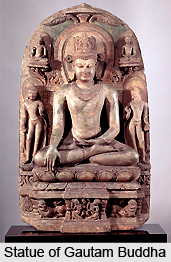
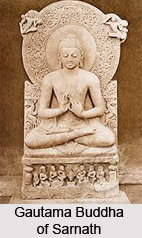
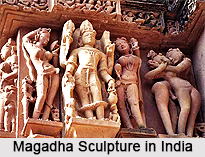
Primarily the features of Buddhist Indian sculpture were predominant in both these empires. In fact most of the Magadha dynasties were influenced by Buddhism. Hence the art and architecture also show its impact. The features of Magadhan sculpture and architecture present a lot of variety on the forms of chaityas, pillars and caves. Indian rock cut architecture also evolved during the heydays of the Magadha dynasty.
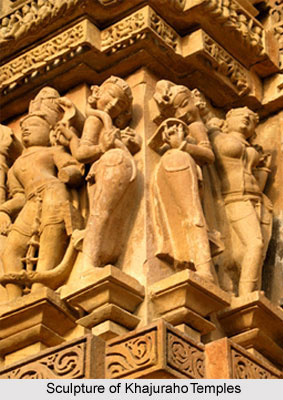
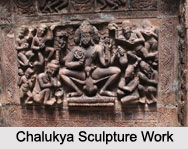
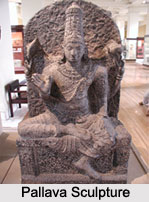
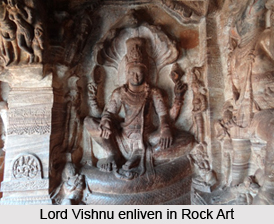
 From 200 AD onwards the South Indian temples witnessed a new kind of style. Whether it was the features of Chalukya sculptures or the features of Pallava sculptures these reflected the Dravidian art and sculpture. The features of Badami Chalukya sculpture developed a new idiom for itself that came to be known as the Karnata Dravida style. This was also known as the Vesara architecture and sculpture. In this style both the southern and northern idioms of temple building are combined. Some of the Western Chalukya temples have also been built by following this mode. The features of Western Chalukya sculptures often included the profusely carved shikharas, mandapdas and outer walls. On the other hand the North Indian temple walls rose in heights. It was during this time that the Khajuraho temples were constructed.
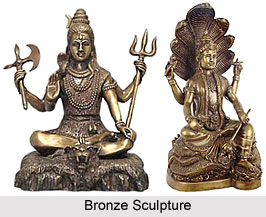
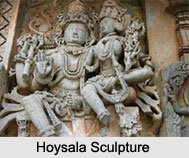
From 1100 AD to 1526 AD the features of Hoysala sculpture and the features of Vijayanagar sculptures came into being. The Hoysala rulers were prolific builders while the Vijayanagar artistic wizardry was immortalised in the stone works of Hampi. Another empire that was known for their architecture and sculpture were the imperial Cholas. One of the main features of the Chola sculptures was the bronze images. The Chola bronze sculptures were elegant and displayed rhythmic movements. Other ancient art that flourished in India include the features of Chola sculptures, features of Satavahana sculptures, features of Kushan sculpture, features of Pala sculptures and at a later stage the features of Rashtrakuta sculptures and then the features of Nayak Sculpture.
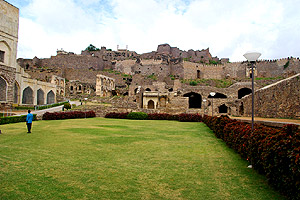
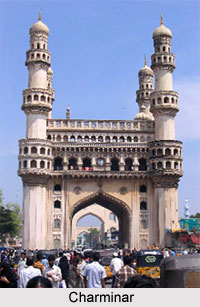
The features of Medieval Indian sculpture differed drastically from that of ancient India. This was the time India was invaded by Muslim rulers. The Persian art and architecture had a huge impact on the native mode. The Slave Dynasty established itself in 1206AD and continued their reign till 1526 AD. The features of Delhi Sultanate sculptures and architectures evolved then. The tombs, tall pillars, minarets, arched doorways merged with the Indian architecture. This amalgamation resulted in the formation of Indo-Islamic sculptures and architecture. Persian influence was, in fact, felt on the entire Indian culture as it melted in the mainstream and affected the cuisine, music, attire, dialect and painting.
 As far as Hindu dynasties are concerned the primary effect of Indo- Islamic style was felt on the Rajput architecture. The features of the Rajput sculptures bear testimony to this fact. The monuments of the Rajput display the architectural elements that were borrowed from Persian architecture. But the most opulent buildings came into being under the Mughal emperors. Whether it is the world famous Taj Mahal or the Red Fort the Mughals contributed generously to the development of Indian art. The features of Mughal sculpture and architecture would often consist of thick, intricate stone works, calligraphy, well maintained gardens and the frequent use of marble.
The features of modern Indian sculptures have evolved from the Indo Saracenic sculptures. However these have come a long way from the colonial sculptures in India. The features of post-modern Indian sculptures and architectures, today, will be unrecognisable if they are contrasted with that of the ancient or medieval ones. With times the style may have changed and today they have an international appeal. Yet the artistry for which Indian was once so renowned has not altered. Even then India was blessed with extraordinary talents and the contemporary India, too, is a powerhouse of architectural and sculptural talent.