
In the epic Ramayana it is mentioned that Lava is one of the twin sons of Lord Rama and Sita. The twin brother of Lava is Kusha. Lava was the king of Sriwasti, in northern Kosala. He was trained up by his mother Sita in the hermitage of Valmiki. Lava appears to have become a strong muscular man and also acquired great skill in archery. According to legend, he was the founder of the city of Lahore, which is named after him.
There is a legendary story relating to the birth of Lava. Sita, wife of Lord Rama was banished from the kingdom of Ayodhya. She took shelter in the hermitage of Rishi Valmiki, the great sage. The ashram was located in a forest on the banks of the River Tamsa. Lava and Kusha were born in this hermitage. They were educated and trained in military skills under the guidance of sage Valmiki. They became great archers.
When Lord Rama executed the Ashvamedha Yajna, the horse sent by Rama went into the forest where the hermitage of Valmiki was situated. Both Lava and Kusha were very angry and this brought them into conflict with their own father, Rama. They were ignorant of the fact that Rama was their father. They imprisoned the horse and refused to release it, instead engaging him in a brief conflict. Later Rama found out their identity and took them back to Ayodhya.
Both the twin brothers Lava and Kusha grew up into great rulers like Lord Rama and founded the cities of Lahore and Kasur respectively. The inhabitants of Lahore or Lohana tribe, of the Kshatriya caste are the progeny of Lava. The Lohanas worships Lava and Rama in high esteem.
Lava, Son of Rama
Lava is the younger of the twin sons of Rama and Sita.
Recently updated articles in Indian Puranas
Kausika, Son of Vasudeva
Kausika is a minor figure in Hindu mythology and is identified in the Vishnu Purana as the only son of Vasudeva and his wife Vaishali. He is recognize...
Tandu, Attendant of Lord Shiva
Tandu is revered as the divine attendant of Lord Shiva and the foremost exponent of the Tandava dance. According to the Natya Shastra, he instructed S...
Niramitra, Mahabharata
Niramitra was a son of Nakula and Kareṇumati in the Mahabharata. A descendant of the Pandavas and the Kuru dynasty, he fought on the Pandava side duri...
Mahodara, Ramayana
Mahodara was a prominent Rakshasa warrior, minister, and army chief who served under Rāvaṇa during the Battle of Lanka in the Ramayana. Celebrated for...

Lalabaksha, Hell in Purana
Lalabaksha is one of the hells described in Hindu Puranic literature, particularly in the Bhagavata Purana and the Devi Bhagavata Purana. It is a real...
Related articles in Indian Puranas
Adhyayas in Agni Purana
Adhyayas in Agni Purana are all encompassing. The chapters have dealt with a variety of subjects related to human lives. A large number of chapters ha...
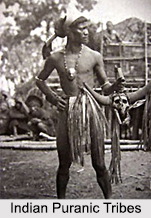
Indian Puranic Tribes
The existence of Indian Puranic tribes is often mixed with mythology and fiction that depict them as superhuman or sub.
Puranic Texts
Puranic Texts are vital according to Hindu, Jain or Buddhist religion; they describe the history of the Universe.

Puranic Shaivism
Puranic Shaivism established during the Gupta Dynasty. This puranic religion developed and expanded, and was accompanied by the development of Brahman...
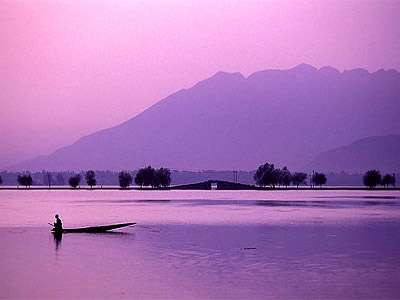
Nilamata Purana
Nilamata Purana is a Kashmiri Purana that is referred by Kalhana. It is considered as one of the sources of ancient history of Kashmir.