Vedic Indian Sculpture - Informative & researched article on Vedic Indian Sculpture
  Indianetzone: Largest Free Encyclopedia of India with thousand of articles Indian Sculpture


in  
Art & Culture | Entertainment | Health | Reference | Sports | Society | Travel
Forum  | Free E-magazine
Indian Sculpture : Indian Sculptures l Indian Temple Sculptures l History Of Indian Sculpture l Indian Religious Sculpture l Famous Indian Sculptures l Types Of Indian Sculpture l Indian Sculptors l Features Of Indian Sculpture l Islamic Sculptures l Buddhist Indian Sculptures l Jain Sculptures of Indian l Elements of Indian Sculpture l Indian Schools of Sculptures l Indian Cave Temple Sculpture l Indian Rock Cut Sculpture l Indian Fresco
Home > Art & Culture > Indian Sculpture > History Of Indian Sculpture > Ancient Indian Sculpture > Vedic Indian Sculpture
Vedic Indian Sculpture
Wooden rectangular shape and thatched roof were the most common features of the Vedic Indian sculpture.

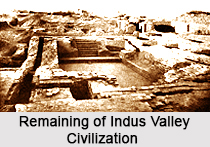
The weakening of the Indus Valley Civilization led way to the Vedic India. The magnificent cities were emptied by the natives due to several reasons, one of them being the invasion of the Aryans. This new race brought in a new style of sculpture that was later to be known as the Vedic Indian sculpture. Strangely enough the Aryans did not settle into the well planned cities of Indus valley.

Vedic Indian Sculpture,Indus Valley Civilization It must be mentioned here that there are no surviving specimen from the Vedic Indian sculptures. This is due to the fact that the Aryans did not built any monuments. However it was the Aryan architectural forms that were followed in India for ages to come. Whether it is the Buddhist caves or temples, the sculpture of these units were directly influenced by the structure of the simple villages that the Aryan built for themselves.

Although there are no surviving specimen from the Indian Vedic sculpture but ample examples are to be found in the Vedas. The ways in which the city and towns of the Aryans are described in the Indian epics, Ramayana and Mahabharata, are similar to the Buddhist sculptures. So it would not be completely wrong to say that the Buddhist sculptures were inspired by Vedic India. Moreover the Barhut and Sanchi stupas also represent the Aryan villages extensively.

The Vedic Indian sculpture comprises circular and rectangular shapes, thatched roofs, bamboo works and the use of wood.

(Last Updated on : 12/01/2009)
  More Articles in Ancient Indian Sculpture
 
Indus Valley Sculpture Sculptures of the Mauryan Empire Ancient Sculptures of the Satavahana Empire
Sculptures of Kushan Empire Gupta Sculptures in India Magadha Sculpture
Chalukya Sculptures Mauryan Sculptures Dravidian Art and Sculpture
Vedic Indian Sculpture Sculpture of Gupta Period Dravida style Architecture
Recently Updated Articles in Indian Sculpture
  • Hairstyles and Headgear in South India Sculptures
    Hairstyles and headgear in South-Indian sculptures generally reveals the styles portrayed by the men and the motifs emphasise on the trends which were most accepted.
  •  
  • Animal Sculpture under Mauryan Empire
    Animal sculpture under Mauryan Empire was witnessed on the Mauryan columns and pillars. However Animal sculpture of this period seemed less lively.
  •  
     
  • Sculpture of Hoysaleswar Temple
    Sculpture of Hoysaleswara Temple is well known especially it wall sculptures. This temple is dedicated to Lord Shiva.
  •  
  • Sculpture of Brihadeswara temple
    Sculpture of Brihadeswara Temple reveals the typical features of Chola art and architecture. This temple was built in the eleventh century.
  •  
  • Sculpture of Chennakesava Temple
    Sculpture of Chennakesava temple at Somnathpura is one of the finest examples of Hoysala art and architecture.
  •  
    E-mail this Article | Post a Comment
    RSS Feeds
    Forum
    Forum on Indian Sculpture

    Free E-magazine
    Subscribe to Free
    E-Magazine on Indian Crafts
     
     
    Vedic Indian Sculpture - Informative & researched article on Vedic Indian Sculpture
    Sitemap
    Contact Us   |   RSS Feeds
    Copyright © 2008 Jupiter Infomedia Pvt. Ltd. All rights reserved including the right to reproduce the contents in whole or in part in any form or medium without the express written permission of Jupiter Infomedia Pvt. Ltd.