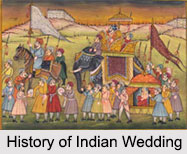
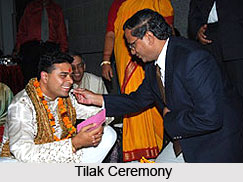
West Indian Weddings are bound by the customs of the western Indian states. Indian marriages are one of the indispensable customs of the Indian society. The states of Goa, Gujarat and Maharashtra reflect their customs and traditions in these kinds of marriages. In the Western Indian states there is no greater event in a family than a wedding. In arranging and executing marriages, the complex combinations of Indian social systems are best displayed.
Gujrati Weddings
One can easily trace the different types of weddings in Gujarat with the two most well known types being the Gujrati and the Jain weddings. Each community has its own sets of marriage rituals that call for interesting viewing. The Sangeet ceremony is one of the inevitable celebrations in the West Indian marriages. In case of Jain Weddings, the rituals are almost the same, but the names of the rituals vary.
Maharashtrian Weddings
Maharashtrian wedding is perhaps the most plain sailing and the least sumptuous in the whole country. Unlike other marriages, most of the rituals are preformed early in the morning.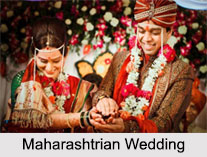 There are no unnecessary pre-wedding events that have no spiritual significance and the wedding rituals exhibit the core values of the Maharashtrian culture. Marathi weddings are full of colours and fun rituals that are sure to spice the whole event.
Goan Weddings
The Catholic wedding in Goa involves many customs and traditions that are strongly influenced by the western culture. The traditions and customs of a Goan wedding are a holistic mix of both Indian and western which make it very unique. All the elements of a typical Christian wedding are present in a Goan wedding such as the bridal entourage that comprises of the flower girls, the ring bearer, the groomsmen and the maid of honour along with the best man. The traditional western live music band and ballroom dancing are the other elements that complete a Goan wedding.
The West Indian weddings have the similar kind of wedding rituals and charisma, but there are certain differences in these weddings as compared to the rest of the country. The cuisine and decoration is also vastly different. The West Indian marriages are for the people loving fun, frolic, food and music at the same time.