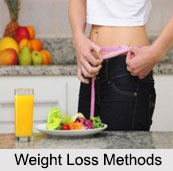
 Weight loss methods involve a large variety of procedures and techniques which are undertaken by people to curb the continuous weight gain, through a scientific approach. They are adjustments to eating patterns and regular physical exercise. Usually, a combination of reduction of the caloric content of the diet with an increase in physical activity is recommended along with the increase in the amount of water intake. Other methods of extreme weight loss include the usage of drugs and supplements that decrease appetite, block fat absorption, or reduce stomach volume. Once the excess weight is established, its many related complications like arthritis, heart problems, diabetes mellitus, high blood pressure, sleep apnoea, etc. can be checked successfully. This is due to the fact that the exhaustion for the heavy weight makes it almost impossible to successfully achieve and maintain weight loss by exercise and dietary modifications alone.
Dieting for Weight Loss
One might resort to different types of dietary plans for controlling weight gain, which involve low fat dieting, low carbohydrate diet, ultra low calorie dieting and others. In low carbohydrate dieting, the diet should be enriched with fat and proteins and must consume few fruit pieces and vegetables daily. It enables one to control the hunger pangs and help lose weight steadily. Low fat dieting utilizes controlled calorie intake by restricting the amount of fat consumption per day. Ultra low calorie dieting is yet another dietary procedure for inducing weight loss though it is not believed to be quite safe.
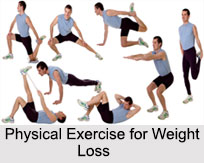
Physical Exercise for Weight Loss
People who dislike maintaining rigid diets should make an attempt to burn their fats with the help of regular physical exercise and yoga. In fact, the practise of indulging in such exercises is much healthier than compromising on the food consumption. Exercise is more beneficial in burning the extra calories of the body. Aerobics, power yoga and numerous other forms of physical exercises can be implemented into the daily routine to encourage weight loss.
Fasting for Weight Loss
Fasting is an ancient and traditional manner of weight loss and it is employed as a quick way to fuel weight loss and several people would notice rapid results after fasting. However, the weight loss achieved through fasting are short-lived generally and are temporary. Soon afterwards patients might start gaining weight after a point of time.
Surgeries for Weight Loss
Although diet, exercise, behaviour therapy and anti-obesity drugs are first-line treatment, medical therapy for severe obesity has limited short-term success and almost non-existent long-term success.
•Cosmetic Surgery: Cosmetic Surgery such as liposuction is another method to reduce the fat in specific areas of the body; however, its long term results are disappointing.
•Metabolic Surgery: Bariatric Surgery has been a popular treatment in the war against Obesity. This surgery artificially reduces the size of the stomach, limiting the intake of food energy and also bringing about hormonal changes resulting in cure of diabetes mellitus.
Endoscopy for Weight Loss
Endoscopic procedures are rapidly gaining popularity due to inherent advantages of avoiding surgery, high safety, reversibility and rapid short term weight loss of 20-30kg. The commonest of these procedures is the Intragastric Balloon Placement. The balloon partially fills the stomach and patients report that they have a feeling of fullness. The balloon is placed into the stomach through endoscopy and is immediately filled with sterile saline. The balloon is usually removed after six months and patients can keep the weight from coming back by modifying their diet and lifestyle subsequently.
The weight loss methods generally lead to improvements in quality of life and obesity related diseases such as hypertension and diabetes. However all modalities of treatment of obesity require consistent efforts on the part of the patient.