 Shattari Silsila was founded in India by Abdullah Shah Shattari, descendant of Shaikh Shihabuddin Suharwardi. In 1405, Shattari came from Persia to India and stayed here until his death in Malwa. According to some historians of Sufism, the true inspiration for this creed came from Imama Jafar e Sadiq (700-65), the venerated founder of the Baghdad school of jurisprudence of the Fiqah-e-Jafferiya, i.e., of the Shia Sect and Ismaili sect.
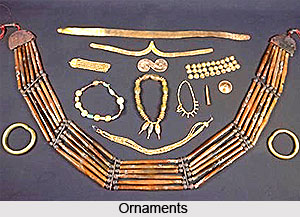
The followers of this Shattari order wore green turbans and ochre ornaments. Some shaved their heads. They observed silence, practised invoking God`s name through Zikr, and gave blessings in the name of the Prophet Muhammad. They also forbade singing and music. The newly initiated were required to put themselves under the direction and care of a guide who would lead them to perfection. The Shattaris regarded the Shaikh or Pir as being in direct communication with all the saints, prophets and even God. Non-violence, the abandonment of all pride and bitterness, disdain of material goods, and refusal of gifts characterized the ideal Pir of this creed. They were supposed to practise abstinence, and were not allowed to eat certain food (meat, milk, fruit). The Shattari was to be the lover of God and could attain his goal through ecstasy. To perceive the unitary conception of God and the divine sphere was his desire and constant endeavour.
Moral perfection progressed from repentance to renunciation of the world by exercising patience, joy in retreat, and meditation. At each stage of renunciation, the Murid was attributed a particular colour. He would then do away with the other colours, until the final stage was reached- that of the contemplation of God. Emphasis was given to Zikr. From the invocation of the beauty of God, of His ninety-nine names, ecstasy could be attained. The Shattari, driven by faith in God, then became the Lover.
However, it was not necessary for a Shattari to undergo the rigours of self-discipline. The very fact of his being a member of the order absolved him of this penance. The Sufis of this order led a spiritual life in comfortable worldly surroundings.
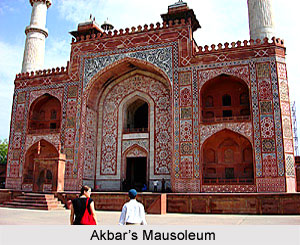
One of the prominent personalities of the brotherhood was Shaikh Phul (died 1563), famous for his mystic and quasi-mystic powers, which he obtained from tirelessly reciting God`s name in a particular manner. He was also reputed to be able to perform miracles. The Mughal Emperor Humayun patronized the Shaikh and his brother Muhammed Ghaus, and the Imperial favour attracted numerous followers to this order. Akbar built a beautiful tomb for the Pir in Indo-Muslim style in 1610.
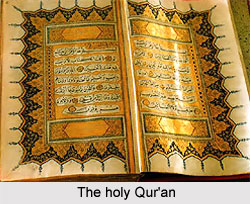
Another Shattari, Shaikh Isa, was inspired by Ibn Arabi`s concept of Wahdat al Wujud. He claimed to have found the basis of this concept in verses of the Holy Quran but stated that it was not subject to a literal interpretation. According to him, Wahdat al Wujud is a theory which regards all finite things as mere aspects, modifications, or parts of one eternal, self-existing, all-comprehensive Being, called God. It regards the universe not as a free-willed production, but as an eternal process that could not have been other than what it has been.
Shaikh Isa`s works influenced another disciple, one who had a profound influence on the Mughal Emperor Aurangzeb. He became Shaikh Burhanuddin after receiving training for twelve years as a neophyte, during the course of which he had to perform the meanest duties, like cleaning latrines. He settled in the town of Burhanpur, where he died in 1678. He attracted a number of disciples and crowds of believers and was reputed to have worked many miracles. His relations with princes, sultans, and other rulers were strained because he refused all invitations and contacts.
Shaikh Abdul Latif was another Shaikh of the Shattari sect. He too was patronised by Aurangzeb and readily accepted the gifts and lands the Prince gave him. He was more orthodox, devoted to the Shariah, and had forbidden any music and singing in his rituals.
Another Shaikh, Muhammad Ashraf Shattari, the successor of Muhammed Ghaus, frequented the Imperial court. He too, along with his sons, received gifts of land, and built a mosque from Akbar`s endowment dedicated to Muhammed Ghaus.
However, despite its widespread acceptance and its presence in the courts of the Mughal Emperors, the role of this Sufi school in the history of the sub-continent was not too significant. It did not make much headway and the number of its followers was not very large. In India, this order of mystics later died out.