
Karhada Community is a small Maharashtrian community, which has played a very influential role in the country`s political and industrial development. Generations of intermarriage in this small community have connected all the families of this community. In appearance they tend to be of slight build and are generally dark in complexion though there are some who are fair-skinned. Perhaps, the most admirable qualities of these people are adaptability and a love for neatness.
These Brahmins are divided on the basis of their belief in one of the Vedas. There are the Rigvedis, Samavedis and Atharvavedis. One more division, on the basis of specialisation in the shakhas also exists. For instance one group of Brahmins is known as Rigvedi Shakalahakhiya Brahmins. The Rigvedi Brahmins have lived in Maharashtra for a long time but were concentrated in the southern part, the region called the Karhatak province, extending over the modern Satara, Sangli and Kolhapur Districts. The capital was Karhatak, modern Karad.
The earliest reference to the Karhatak province is in the Mahabharata when Sahadeva had conquered it for Yuddhishthira`s Rajasuya yajna. It was also called Karhakat, Karhakad and Karhat in the Briharrut and Yadav edicts. According to the Kalyani edict, it extended from the Sahyadris in the west, Tardu wadi in the east to the River Krishna in the south and to Pratyandak (modern Phaltan) in the north. At that time the town of Karhatak was a flourishing commercial centre as it was situated on the road between Konkan and Desh. There are only five shakhas in the Rig Veda and so the number of Rigvedi Brahmins is small and from among them those who specialized in the Ashyalayana Sutra and Shakal Shakha came and settled in Karhatak. It is said that they are the descendants of foreign invaders like the Shakhas, the Pallavas or the Hunas.
The earliest reference in literature to those Shakal Shakhiya and Ashvalayana Sutra Brahmins is in Mitakshari Teeka by Vikramaditya (1076-1126).
The Karhatak province was ruled by the Shilahars who enjoyed some autonomy even when they were vassals of the Chalukyas. When the Shilahars annexed Konkan in the 11th century they took with them their Ashvalayana Sutra Shakal Shakhiya Brahmin priests and settled down there. The people of Konkan called these newcomers Karhads as they came from Karhat. The latter was the capital of the Shilahars.
Another version of the migration is that Desh where these Brahmins stayed. It was always threatened by famines and when a terrible famine, lasting for about 12 years, occurred about the end of the 14th century, the Brahmins migrated to the Konkan where the land was fertile and there was plenty of water. As they came through Karad, they were called Karhads by the Konkanis.
The Karhade are worshippers of Mother Goddess. The Goddess Mahalakshmi, however, is not worshipped for five years after marriage. In the Navratri festival, Lalita Panchami and Durgashtami are two important days. The day of Anant Chaturdashi is also important as on that day Anant worship is carried out. It is a practice that supposedly originated with this community that was later adopted by the Chitpavans. Some other festivals, such as, Ganesh Chaturthi, Dussehra and Diwali are also celebrated.
The Shilahars, who were the original lords of Karnataka worshipped the Goddess Metruka. This practice the Karhade continued to be followed. But when the community started spreading out different families began to worship the goddesses of the locality in which they settled. For those staying near Kolhapur, Ambabai and for those staying in or near Goa, Mhalsa or Shantadurga or Vijayadurga became important. Those in Konkan worshipped whichever Goddess was closest. For the Brahmins in Karhade Ambejogai in the Bhir district, Maharashtra became important. Near Kolhapur, the gods that are worshipped along with these devis are Adinath, Prayagmadhav or Jyotiba.
The Karhada community is not subdivided into many sects. All Karhade, with the exception of a very few Vaishnavites, are Rigvedis of the Smarta sect. The highest authority on religious and social matters is that of Sankara.
Karhada marriages are like those of other Brahmin communities and follow the usual Hindu rituals of kanyadan, lajahoma and saptapadi. Normally marriages do not take place across community borders though there are exceptions. The rules of exogamy prevent marriages in the same gotras or pravaras.
Though not very rich, the average Karhada is financially sound. The Karhade of Desh are well-off compared to those in Konkan and the Padhya Brahmins of Goa. They are good cooks and are popular for their vegetarian dishes.
Karhada Community
Karhada Community is a small Maharashtrian community.
Recently updated articles in Religion in India
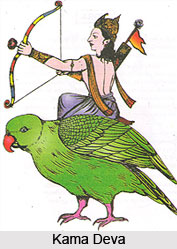
Kusumayudha
Kusumayudha is a name of Kamadeva, the Hindu God of Love. Depicted with a sugarcane bow and flower-tipped arrows, he represents attraction and longing...
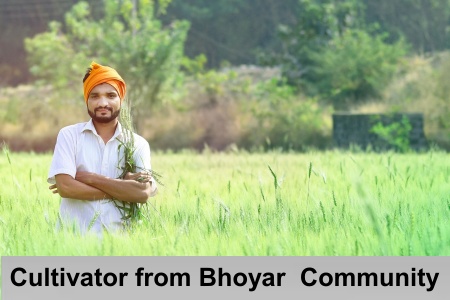
Bhoyar Caste
Bhoyar Caste is largely found in the Central Provinces of the country. Traditional occupation of Bhoyars is agriculture. They are good cultivators and...
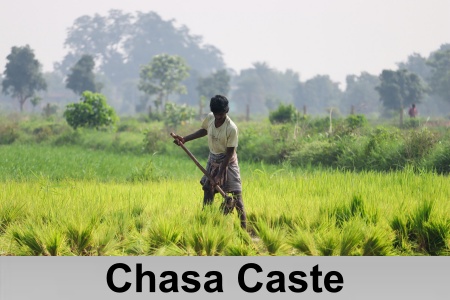
Chasa Caste
Chasa caste is a prominent agrarian community native to Odisha. Traditionally associated with cultivation and farming, Chasas have historically played...
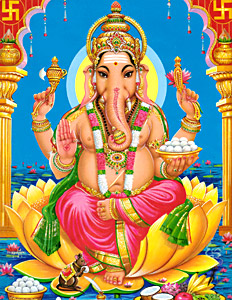
Vigneswara, A Form of Lord Ganesha
Lord Vigneswara is another form of Lord Ganesha or Vinayaka, prominently worshipped as the God of intelligence and good luck in the Indian subcontinen...
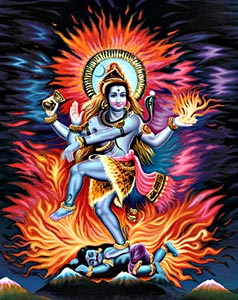
Maheswara
Maheswara, meaning “the Great Lord,” is a revered name of Lord Shiva in Hindu tradition. It represents Shiva’s supreme authority over creation, preser...
Related articles in Religion in India
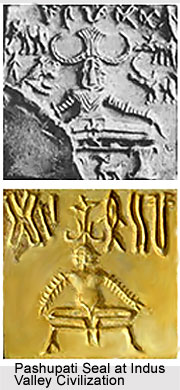
Religion in Indus Valley Civilization
Religion in Indus Valley Civilisation included Hinduism, Buddhism and Jainism. Details about the religion in Indus Valley Civilization have been gathe...
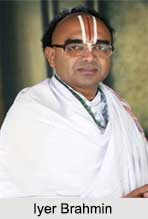
Iyer Brahmin
Iyer Brahmins are originally from Tamil Nadu of South India. They are known for their adherence to Advaita philosophy and Smarta traditions. Tradition...
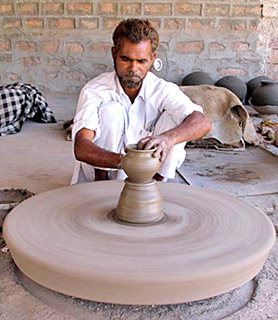
Kumbhakar / Kumhar Caste
Kumbhakar or Kumhar caste is a traditional artisan community in India known for pottery making. Derived from Sanskrit word Kumbhakar, meaning potter,...

Gujjars in Mughal Era
Gujjars in the Mughal era enjoyed great power. Further their power increased with the decline of Aurangzeb, Mughal emperor.
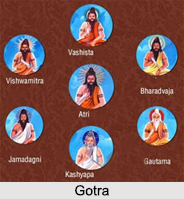
Gotra in Hinduism
In Hinduism, gotra refers to a lineage system tracing descent from ancient sages, primarily through the paternal line. Originating from Vedic traditio...