 Tourism in Pune offers one with the nature tourism, leisure tourism and pilgrimage tourism. Pune is a capital city of Pune District of Maharashtra, which has many tourism destinations and these are connected easily by roadways, railways and airways.
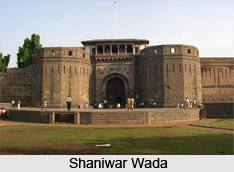
Shaniwar Wada
Shaniwar Wada is a palace and a fort of Maratha times and it played a vital role in 18th Century during the Anglo Maratha War.
Raja Dinkar Keikar Museum
Raja Dinkar Keikar Museum is a collection house of many rare miniature paintings from the era of the Peshwas, as well as musical instruments from the Mughal and Maratha periods. Here one can see the collections of Dinkar Kelkar.
Aga Khan Palace
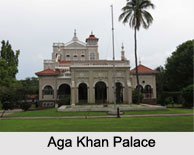 Aga Khan Palace is a well maintained palace and it is associated with the life and times of Mahatma Gandhi and his wife Kasturba Gandhi. Here Kasturba Gandhi and Mahadev Desai died during their captivity. Aga Khan Palace was donated by Aga Khan IV to mark the respect on Gandhi and his philosophy.
Malshej Waterfall
Just a few kilometers from the main city, this waterfall arrests the mind of any traveler during retreating monsoon times.
Malshej Ghat
Malshej Ghat is a gripping hill station, serving as a favourite monsoon destination for the people living in Mumbai and Pune.
Melghat Tiger Reserve
Melghat Tiger Reserve is a wildlife sanctuary spread over 3600 square kilometers consisting of Gugamal National Park, Melghat Wildlife Sanctuary and Satpura Mountain Ranges.
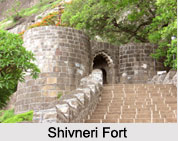
Shivneri
It is a hill fort of Maratha era. This fort is popular because it was the birthplace of Maratha Emperor Shivaji. This fort witnessed the defeat of mighty Mughal regime of Delhi and Aurangabad.
Rajgad Fort
Rajgad Fort is associated with the life and times of Shivaji. This was the capital of Maratha Empire during the 26 years long rule of Shivaji.
Sinhagad
It was a fort for the military base of Shivaji and it is located on the isolated hilltop of Bhuleswar range of Sahyadri Mountains.
Osho Ashrama
This is a centre of meditation and yoga and it is an ideal spot for relaxation in the city of Pune.
 Pu La Deshpande Garden
This garden was erected as a symbol of friendship ties between Pune and Okayama (Japan). This place is an ideal location for the kids.
Pataleshwar Cave Temple
It is a 8th Century Hindu temple, dedicated to Mahadeva and it was erected on the sculptural elegance of Ellora Caves.
Rajiv Gandhi Zoological Park
It is a zoo with a lake inside where one can see varieties of snakes and other reptiles.
Dagdusheth Halwai Temple
This Indian temple is dedicated to Lord Ganesha, located at the heart of the city.
Parvati Hill Temple
It offers an amazing view of southern Pune with a thin forest. It is also a pilgrimage tourism destination.