 It was during the oppression of the British reign a side issue had arisen and also became more important for some time. Though no part of the original Hindu religion had become ingrained in Hindu culture. Terrible restrictions were placed on the lives of the unfortunate millions born into the depressed classes. This polite term hides the shameful fact that the touch, sometimes even the shadow, of these people was considered unclean.
From about the middle of the nineteenth century efforts were made to improve the lot of the untouchables. But little was accomplished till the time the work was left to philanthropic social reformers. The problem started only when members of the depressed classes overcame the barriers and also set against them. They also obtained a full education, and organized themselves politically. They begin to make some real headway.
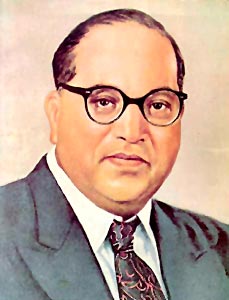
Dr B. R. Ambedkar was the foremost among depressed class leaders. Born in a lowly Mahar family, he was able to obtain degrees from foreign universities. He did this by dint of hard work and persistence. After completing his studies as a lawyer he began to fight for the fights of untouchables. As their representative, he made it clear that their demands would have to be met before India could be free. Ambedkar knew that a swaraj government could only remove untouchability. But he wanted the British to guarantee safeguards before handing over power to Indians.
On 16 august 1932 the British prime minister Mac Donald announced the communal award. This statement of the government`s position on the communal issue granted separate electorates to the depressed classes. When Gandhiji learned of the award, he declared he would resist it with a `perpetual fast unto death. At that time he was in jail. He was scared that the separate electorates would result in the vivisection of Hinduism. He was preventing members of the depressed classes from ever becoming part of the mainstream of Indian life. The country was filled with alarm as Gandhiji `epic fast` was prolonged. Eventually Dr Ambedkar worked out a compromise scheme with Gandhiji. This `Poona pact` increased the number of seals in legislatures reserved for the depressed classes. There would be a joint electorate which included members of the depressed classes, but which was modified in certain ways to safeguard the interests of the minority.
After this settlement had been reached, Gandhiji began to devote himself more and more to the cause of the harijans, or children of god, as he called the former untouchables. Through the efforts of Gandhiji and others, wells and temples were opened to harijans. The age-old restrictions began to crumble as well.