Introduction
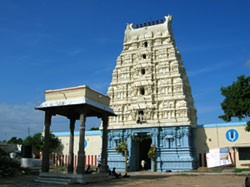 The Bhaktavatsala Perumal temple of Tiruninravur is one of the well known Vishnu temples of South India. Tiruninravur is situated in Tiruvallur district in Tamil Nadu and is about thirty kilometers from Chennai. This is very popular place as it is the abode to the Bhaktavatsala Perumal temple. The temple itself is very famous because it is praised by Tirumangai Azhvar in his hymns. The Bhaktavatsala Temple enjoys a pride of place as one of the 108 Divya Desams and is held very sacred by Srivaishnavas. Many ancient inscriptions have been discovered here, which reveal that as early as the 9th century A.D. This place was known as Ninravur. The prefix Tiru had been added at a later date in order to indicate that it is a sacred place. The ancient inscriptions enhanced the traditional greatness of the temple.
Legend of the Bhaktavatsala Perumal temple
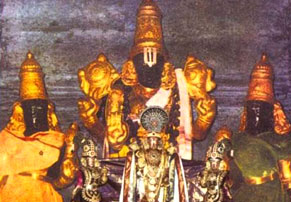 The Vishnu temple of Bhaktavatsala Perumal is one of the significant Vishnu temples in Tiruninravur. The legendary stories associated with the temple endowed the temple an additional grandeur. According to the Sthala-Purana, the legendary tale connected with this temple, when Tirumangai Azhvar, the ancient preceptor visited this shrine, Perumal did not notice him. As a result the preceptor Tirumangai Azhvar did not compose any hymn in praise of the deity. However, on the plea of Goddess Lakshmi that His devotee should never be angered or hurt, the Lord went in search of the Azhvar who had by then reached Mamallapuram. When Bhaktavatsala Perumal appeared before the Azhvar, the latter who was looking at the deity at Mamallapuram felt he was seeing the Lord of Tiruninravur.
Surprised and elated Azhvar sung a stanza to this effect. However, when Bhaktavatsala Perumal came back to Tiruninravur, Goddess Lakshmi said that usually this Azhvar composed more than just a single verse on each deity. Therefore goddess requested Perumal to appear before the Azhvar once again so that he would sing at least another hymn in His praise. Perumal followed the request of Goddess Lakshmi, but Tirumangai Azhvar had by this time reached Tirukannapuram. But Bhaktavatsala Perumal appeared in Azhvar`s mind`s eye. Consequently the Azhvar who was seeing the Lord of Tirukannapuram thought he was viewing the Lord of Tiruninravur and sung hymns eulogizing the Lord of Tiruninravur. Right from this incident the temple became the abode pof Bhaktavatsala Perumal, who is venerated as the lord of Tiruninravur.
Architecture of the Bhaktavatsala Perumal Temple
 The legendary temple of Lord Bhaktavatsala Perumal represents a wonderful architectural specimen. The carvings and the architectural trappings on the temple wall are the clear evidence of the craftsmanship of the ancient artists. The main shrine of this east-facing temple houses the imposing image of Bhaktavatsala Perumal in a standing posture under the Srinivasa Vimana. The standing posture of the Lord is the chief attraction of the temple.
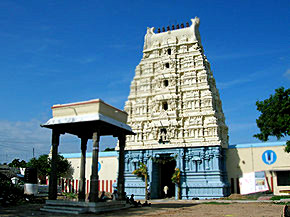
Apart from the architectural trappings engraved on the temple walls, the structural design of the shrine is no less good example of the architectural excellence. The Theatre is a very narrow circumambulatory (pradakshina) passage around this shrine. It is in the second and larger outer enclosure (prakara) that many of the sub-shrines are situated. The planned structure of the main shrine and the sub shrine are the important attractions of the temple. The sanctum of the Lord`s consort here is popularly known as Ennai Petra Thayar and also Sudhavalli. This sanctum is facing to the east and is located to the right of the main Sannidhi, while to its Bhaktavatsala Perumal and Ennai Petra Thayar, Andal. The shrine of Sudarsana (Chakrattazhvar), is considered consecrated by the devotees. In the Shrine of Sudarshana, is rested the icon of Yoga Narasimha usually found on the rear of most Sudarsana images is not seen here. Moreover, the Chakrattazhvar image and that of Adisesha in this temple are not of granite but made of stucco. The fine carving represents the excellence of the architecture prevalent in this period. Some of the other fanes in this temple-complex are for Vishvaksena, the Azhvars and Manavala Mamuni. This temple also has a Paramapada vasal and an Aiankara mandapa. A tall five-tiered gopura is seen on the eastern side which is the main entrance to this temple.
In front of the gopura or the main entrance is posted the beautiful and well-maintained temple chariot called ther .The upper portion of which is painted in vivid colors. The base of ther is studded and carved with innumerable intricately wrought wooden sculptures. These sculptures depict the numerous incarnations of Vishnu and also various episodes from the Ramayana, Mahabharata and the Puranas.
Thus the architecture enhanced the popularity of the legendary temple and endowed it with unusual grandeur.
Inscriptions of the Bhaktavatsala Perumal temple
The inscriptions can endow a majestic greatness to the legendary temple. The earliest epigraphs found in the Bhaktavatsala Perumal temple are datable to 820 and 890 A.D. the inscriptions depict that those belong to the reign of the Pallava ruler Nripatungavarman. Apart from the inscriptions of the Pallava period there are some Chola inscriptions. Those inscriptions speak of the achievements of Rajendra II, Virarajendra, and Rajaraja II belonging to the 11th and 12th centuries A.D and made benevolent contribution to it. The Pallava records mention the name of this place as Ninravur situated in Puzhar-kottam while the Chola epigraphs reveal that this village ofNinravur was also known as Virudaraj abhayankara -chaturvedimangalam, located in Ambar-nadu a subdivision of Puzhar-kottam. In this way the inscription can endowed the temple a legendary greatness and determines the chronological significance of the Temple.