
The Act of 1858 exclusively introduced several changes in the Home government. Several socio-political convulsions led to the changes in the Constitution. The charter Act of 1833 had centralized legislation. The Legislative Council at the Center had the sole power to legislate for the whole country. The councils, in such circumstances were deprived of legislation. It had become a sort of debating society of parliament. Since the power of legislation was centralized it could not meet the legislative needs properly. The time was grave to establish a representative Government, so that the executive and legislature could be made free from centralization. The Government of India thus enacted the Indian Council Acts,
Indian Council Act 1861 - The Indian Council Acts of 1861, added a fifth member to the Council of Viceroy. By the Council Act of 1861, portfolio system was introduced and the theory of separation of power came into being. The main interest of the Act was to laid in the gradual construction and consolidation of the mechanical framework of the Government
Indian Council Act 1892- The Council Act of 1892, dealt with the powers, function and composition of the Legislative Council in India. It modified the number of additional members in the Council. The principle of election though not mentioned in clear terms, introduced by the Act of 1892.
Indian Council Act, 1909 - The Indian council Act of 1909 was popularized as the Morley Minto reforms. The chief feature of this Act was that it enlarged the size of legislature both at Center and Province. The Morley Minto Reforms defined the matters, which should be discussed in the Legislature. Through the s reforms, the s system of s election was made more complicated.
Growth of Representative Government in India
To free the legislature and executive from the centralization the growth of representative government was utterly felt.
Recently updated articles in History of India
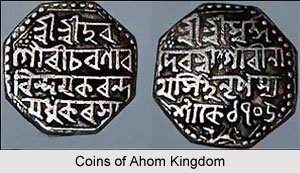
Suhungmung
Suhungmung was the fourteenth ruler of the Ahom dynasty who ruled from the period 1497 to 1539 AD. His reign was significant in terms of expansion of...
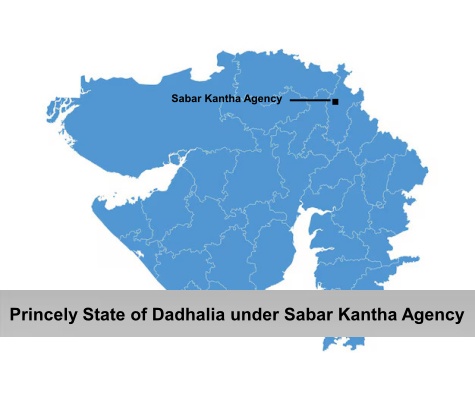
Princely State of Dadhalia
Princely State of Dadhalia was located in the present state of Gujarat. The state covered a total area of 28 sq miles and comprised of 15 villages. Th...
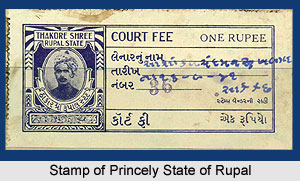
Princely State of Rupal
Princely State of Rupal was a part of the Baroda Agency, a sub division of Western India States Agency. It was under the administrative control of the...
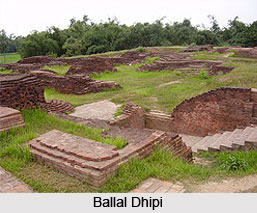
Archaeological Sites of West Bengal
Archaeological sites of West Bengal reveal several aspects of ancient India. Excavations by the Archaeological Survey of India have furnished artefact...

Princely State of Gabat
Princely State of Gabat was one of the native states of India during the Brtish period. Thakors were the native rulers of this state. After India gain...
Related articles in History of India
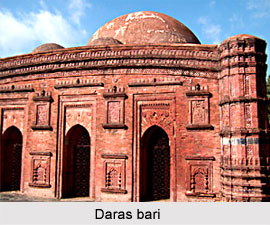
Mughal Architecture during Babur
Mughal architecture during Babur marked the foundation of a new architectural era in India, blending Timurid, Persian, and local influences. His reign...
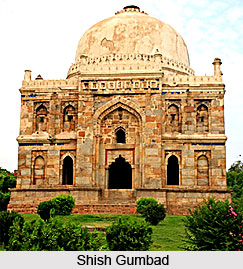
Architecture during Sayyid and Lodi Dynasty
Architectures during the Sayyid and Lodi dynasty were mainly the tombs and monuments for the dead rulers. It were carefully designed and meticulously...
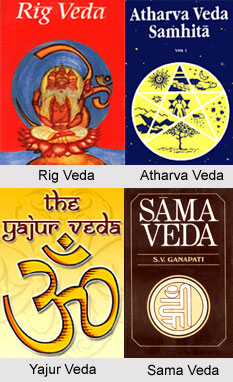
Brahmanical Sources of Ancient History
Brahmanical Sources of ancient history are contained in the Vedas and they constitute one of the most important literary sources of information about...
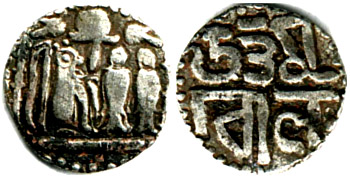
Coins of Chola Empire
Coins of Chola Empire were issued in gold, silver and copper and carried the Chola emblem.
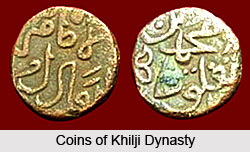
Coins of Khilji Dynasty
Coins of Khilji Dynasty had an influential feature that was followed by the other dynasties.