
 Travancore was a princely state ruled by the Travancore Royal Family. The modern day southern Kerala, the Kanyakumari district, and the southernmost parts of Tamil Nadu comprised ancient Travancore. Padmanabha Swamy was considered as the first ruler of Travancore. In the Sangam Age Travancore was ruled by the Tamil dynasty. Nelkinda was its capital. History of Travancore is replete with many battles, police atrocities and merging of like minded language regions.
History of Travancore
History of Travancore has witnessed many struggles among various castes thereby leading to separation of certain regions gradually.
Introduction
Travancore was a princely state ruled by the Travancore Royal Family. The modern day southern Kerala, the Kanyakumari district, and the southernmost parts of Tamil Nadu comprised ancient Travancore. Padmanabha Swamy was considered as the first ruler of Travancore. In the Sangam Age Travancore was ruled by the Tamil dynasty. Nelkinda was its capital. History of Travancore is replete with many battles, police atrocities and merging of like minded language regions.History of Travancore in the 19th Century
Travancore is now situated in the Indian state of Kerala. It was earlier known as `Dharma bhumi` and considered to be one of the most beautiful, strange and interesting provinces by the British. In the 19th century, Travancore was well known for its varied and valuable productions and the people, their languages, customs and extraordinary laws.
According to Samuel Mateer of the London Missionary Society, the varied culture of Travancore is an interesting study material. The accounts given by him regarding the traditional life style of the people of Travancore in 19th century is in a very detailed format.
There was no magnificent architectural style in Travancore in the 19th century. According to Samuel Mateer, even the residences of the rich families were also not very big in size. The houses of the lowest incoming groups were almost in brittle and terrible condition. These were built near the sides of narrow streets with wide-open gutters. The huts had thatched roofs and the entrance doors were of 3 feet high and were just 8 feet square in size. Those who were in better condition constructed their houses with clay bricks dried in the sun or burnt in kiln. These better class people of Travancore used to plaster their houses with `Chunam` or `lime`. These walls used to shine like marbles after polishing. These houses were generally two stories in height and had a verandah round the lower storey to protect the walls from sun and rain. The ceilings, rafters and beams were made of teak, jack or palmyra wood. Again, the roof was covered with small tiles of burnt clay. Some of the houses of Travancore in the 19th century were constructed entirely of wood with beautiful carvings. These could last for centuries if thoroughly taken care of.
The houses in Travancore, which were used to dwell with family, had several small rooms. As per Samuel, there used to be one-room form women, one for entertaining and another, the strong room, which was carefully fitted with bars and locks, to safeguard valuables and money. The rooms had minimum number of small windows. Proper ventilation was not available and hence the rooms were dark inside. The little place available between the dwellings and the public road was used for drying grains or housing cattle in sheds. The kitchens were always kept separate and walls were erected inside the courtyard for convenience.
In the 19th century, the entrance of the houses in Travancore was covered with a small roof-like frame, thatched to protect the woodwork. The joint families used to have a number of buildings to accommodate all the members and even had a small domestic temple. The people used to have minimum number of furniture. They kept only one or two benches, indigenous beds or bed frames with a mat, a brass lamp dangled by a chain, a wooden mortar for pounding rice and a few cooking vessels in most modest dwellings. The wealthy families, who could afford, used the European furniture.
The people of Travancore wore ordinary costume, which were simple and primitive.
The men used to wear very little clothes while at work. Those who lived in Mountains used green leaves for covering themselves. Those who wear in a little better condition used light clothing and Tamilian could be identified by the plenty of clothing he wore.
During any auspicious occasion or in any public gathering, the wealthy wore a long jacket or coat of white or printed calico with trousers. Usually, the teachers, government servants and police used to put on such clothes. The costumes of the peons were embroidered belts with brass or silver badges inscribed with the name of the department they belonged to. The general headband of Travancore people of 19th century was a turban of white or coloured muslin tightly and neatly folded in a great variety of fashions. All the men of any caste used to shave their head and face for coolness and cleanliness. A little part of the hair was always left uncut, which was called `Kudumi`. This was avoided only during mourning.
The kudumi of the Nambudiri Brahmins used to be in the front of the head loosely knotted. The sectarial marking on the forehead with ashes or sandalwood was common among the people of Travancore in the 19th century. Those men who could afford used to wear small gold earrings and rings on fingers. They also wore necklaces and rosaries of nuts of trees. The royal family males or the Brahmins, goldsmiths and others of higher caste used to wear the `Punul` or cross cord. They wore a scarf like cloth around the neck or on their shoulders and a single cloth was tucked around their hips. The footwears of the people of Travancore were wooden or leather slippers and sandals of various patterns. The umbrellas of palm leaf or cloth were allowed to use only by the people of high castes.
The females of Travancore in the 19th century wore their hair in knots and flowers and gold ornaments were adorned in them. They used to wear different varieties of ear ornaments. The `Shanar` or `Sudra` women wore heavy leaden rings and the often use of it made their ears elongated. During festive season, they wore gold earrings and on normal days, palm leaf or wooden earrings were used. The nose rings, nose drops, necklaces of gold, silver and brass or bead were in fashion at that time. But widow women could not wear them.
All communities of Travancore used the thali or marriage badge. There was a peculiar custom according to which the lower caste women were not allowed to use clothes above the waist, which was banned in 1865. All other women used to tie a loose cloth over the breasts or wore it across the shoulder. The women of higher caste could wear an upper cloth and they even wore coloured jackets fastened in the front. The women also wore a piece of calico, of silk white colour or with checks, several yards in length. It was tightly wound around the waist and arranged in smart folds. They looked very graceful and attractive wearing those clothes with appropriate jewels and anklets.
The food habits used to symbolise the orthodoxy of the people of Travancore in the 19th century. People of different caste were not allowed to dine together. The concept of pollution by touch was very much prevalent then. Even a European physician needed to have special baths before touching his patients. Several rituals were required to perform to be free of pollution. The inhabitants of Travancore could not take food, cooked shipboard at that time. So, long voyages by sea were not permitted.
Brahmins were vegetarians but others ate mutton, poultry and even pork freely but beef was prohibited. Among the foods, curry and rice was the favourite of Travancore people. They used to sit on the ground and eat on plantain leaves and spoons were not used then. For the liquids, they used cups and spoons of jack tree leaves. They ate vegetables, fruits, milk, curd rice and flour cakes and coffee was also in their trend. They used to buy sweetmeats from markets. Gruel or kanji were also liked by them. The women and men of Travancore could never eat together. Women used to serve the meal, attended to the needs of family members and then they took the remaining part.
According to Samuel Mateer of the London Missionary Society, the varied culture of Travancore is an interesting study material. The accounts given by him regarding the traditional life style of the people of Travancore in 19th century is in a very detailed format.
There was no magnificent architectural style in Travancore in the 19th century. According to Samuel Mateer, even the residences of the rich families were also not very big in size. The houses of the lowest incoming groups were almost in brittle and terrible condition. These were built near the sides of narrow streets with wide-open gutters. The huts had thatched roofs and the entrance doors were of 3 feet high and were just 8 feet square in size. Those who were in better condition constructed their houses with clay bricks dried in the sun or burnt in kiln. These better class people of Travancore used to plaster their houses with `Chunam` or `lime`. These walls used to shine like marbles after polishing. These houses were generally two stories in height and had a verandah round the lower storey to protect the walls from sun and rain. The ceilings, rafters and beams were made of teak, jack or palmyra wood. Again, the roof was covered with small tiles of burnt clay. Some of the houses of Travancore in the 19th century were constructed entirely of wood with beautiful carvings. These could last for centuries if thoroughly taken care of.
The houses in Travancore, which were used to dwell with family, had several small rooms. As per Samuel, there used to be one-room form women, one for entertaining and another, the strong room, which was carefully fitted with bars and locks, to safeguard valuables and money. The rooms had minimum number of small windows. Proper ventilation was not available and hence the rooms were dark inside. The little place available between the dwellings and the public road was used for drying grains or housing cattle in sheds. The kitchens were always kept separate and walls were erected inside the courtyard for convenience.
In the 19th century, the entrance of the houses in Travancore was covered with a small roof-like frame, thatched to protect the woodwork. The joint families used to have a number of buildings to accommodate all the members and even had a small domestic temple. The people used to have minimum number of furniture. They kept only one or two benches, indigenous beds or bed frames with a mat, a brass lamp dangled by a chain, a wooden mortar for pounding rice and a few cooking vessels in most modest dwellings. The wealthy families, who could afford, used the European furniture.
The people of Travancore wore ordinary costume, which were simple and primitive.
The men used to wear very little clothes while at work. Those who lived in Mountains used green leaves for covering themselves. Those who wear in a little better condition used light clothing and Tamilian could be identified by the plenty of clothing he wore.
During any auspicious occasion or in any public gathering, the wealthy wore a long jacket or coat of white or printed calico with trousers. Usually, the teachers, government servants and police used to put on such clothes. The costumes of the peons were embroidered belts with brass or silver badges inscribed with the name of the department they belonged to. The general headband of Travancore people of 19th century was a turban of white or coloured muslin tightly and neatly folded in a great variety of fashions. All the men of any caste used to shave their head and face for coolness and cleanliness. A little part of the hair was always left uncut, which was called `Kudumi`. This was avoided only during mourning.
The kudumi of the Nambudiri Brahmins used to be in the front of the head loosely knotted. The sectarial marking on the forehead with ashes or sandalwood was common among the people of Travancore in the 19th century. Those men who could afford used to wear small gold earrings and rings on fingers. They also wore necklaces and rosaries of nuts of trees. The royal family males or the Brahmins, goldsmiths and others of higher caste used to wear the `Punul` or cross cord. They wore a scarf like cloth around the neck or on their shoulders and a single cloth was tucked around their hips. The footwears of the people of Travancore were wooden or leather slippers and sandals of various patterns. The umbrellas of palm leaf or cloth were allowed to use only by the people of high castes.
The females of Travancore in the 19th century wore their hair in knots and flowers and gold ornaments were adorned in them. They used to wear different varieties of ear ornaments. The `Shanar` or `Sudra` women wore heavy leaden rings and the often use of it made their ears elongated. During festive season, they wore gold earrings and on normal days, palm leaf or wooden earrings were used. The nose rings, nose drops, necklaces of gold, silver and brass or bead were in fashion at that time. But widow women could not wear them.
All communities of Travancore used the thali or marriage badge. There was a peculiar custom according to which the lower caste women were not allowed to use clothes above the waist, which was banned in 1865. All other women used to tie a loose cloth over the breasts or wore it across the shoulder. The women of higher caste could wear an upper cloth and they even wore coloured jackets fastened in the front. The women also wore a piece of calico, of silk white colour or with checks, several yards in length. It was tightly wound around the waist and arranged in smart folds. They looked very graceful and attractive wearing those clothes with appropriate jewels and anklets.
The food habits used to symbolise the orthodoxy of the people of Travancore in the 19th century. People of different caste were not allowed to dine together. The concept of pollution by touch was very much prevalent then. Even a European physician needed to have special baths before touching his patients. Several rituals were required to perform to be free of pollution. The inhabitants of Travancore could not take food, cooked shipboard at that time. So, long voyages by sea were not permitted.
Brahmins were vegetarians but others ate mutton, poultry and even pork freely but beef was prohibited. Among the foods, curry and rice was the favourite of Travancore people. They used to sit on the ground and eat on plantain leaves and spoons were not used then. For the liquids, they used cups and spoons of jack tree leaves. They ate vegetables, fruits, milk, curd rice and flour cakes and coffee was also in their trend. They used to buy sweetmeats from markets. Gruel or kanji were also liked by them. The women and men of Travancore could never eat together. Women used to serve the meal, attended to the needs of family members and then they took the remaining part.
Princes/Maharajas of the Princely State of Travancore
 Travancore was ruled by Kshatriyas belonging to the Samanthan Nair caste. This caste had followed a matrilineal system of inheritance known as Marumakkathayam. The modern Travancore history begins with Marthanda Varma who inherited the Kingdom of Venad. He expanded it into Travancore during his reign in 1729 AD - 1758 AD. Padmanabapuram was the capital before it being shifted of the capital to Thiruvananthapuram.
During British rule in India (which covers both the British East India Company rule and later the British Raj), the princely state of Travancore was ruled by different princes. They served the state as "Maharaja". Given below are the Maharajas of Travancore.
Dharma Raja
Dharma Raja ruled Travancore from 1758 to 1798. He was successful in retaining all the territories his predecessor had occupied, strictly followed Dharma Sastra or the principles of justice as a way of administration and provided asylum to thousands of Hindus and Christians fleeing Malabar during the religious and military onslaught of Tipu Sultan. Karthika Thirunal Rama Varma succeeded the throne. He was also known as Dharma Raja. His period is considered as a golden age Travancore`s history. He kept the empire intact and improved and encouraged developments in the society as a whole. Tipu Sultan, the Mysore ruler had attacked Travancore in 1789. Dharma Raja refused to hand over the refugees of Mysore. The Travancore armies withstood the Sultan and were able to defeat them. The Dharma Raja improved trade in the country. During his reign Kalakkad districts and parts of Shencottah were annexed to Arcot.
Reign of Balarama Varma
Balarama Varma ascended the throne after Dharma Raja`s death. He was weaker than his predecessors. The divan started taking control of the kingdom. Velu Thampi emerged as the ruling divan. He played an important role in creating a new treaty with the English East India Company. However, due to differences later on, a war was declared on them. The Company defeated Velu Thampi at Nagercoil and Kollam battles as he did not get full support of the kings. He organised a guerilla struggle against the Company, however committed suicide to avoid capture by the Maharajah`s soldiers. All the armies of Travancore were dissolved after the mutiny in 1805.
Successors of Balarama Varma
Balarama Varma was succeeded by Rani Gowri Lakshmi Bai. A boy was born who was declared the king in his infancy. Rani continued to rule as regent. After her death Maharani Gowri Parvati Bai followed her. There was great progress in education and society. Swathi Thirunal Rama Varma ascended the throne in 1829. He abolished many unnecessary taxes, and started an English school and a charity hospital in Trivandrum.
The last ruler of the Travancore kingdom was Chithira Thirunal Balarama Varma who ruled from1931AD -1949AD. He relieved lot of restrictions like allowing all caste to enter Hindu temples. He was praised throughout the country. The first public transport system and telecommunication system were launched during his reign.
Avittom Thirunal Balarama Varma
Balarama Varma ruled Travancore from 1798 to 1810, a time period which coincided with disturbances, and internal and external problems.
Swathi Thirunal Rama Varma
Rama Varma ruled Travancore from 1813 to 1846. He was a brilliant music composer and has over 400 classical compositions in both Carnatic and Hindustani style to his credit. To modernize his state, Varma had taken effort to formulate code of laws, introduced English education, constructed an observatory, installed the first government printing press, etc. 
Uthram Thirunal Marthanda Varma
Marthanda Varma ruled Travancore from 1846 to 1860. Varma was a progressive ruler which can be comprehended from the fact that he had abolished slavery in his kingdom. Marthanda Varma had expanded his kingdom from Kanyakumari in the South to Kodungallur in the North. He with the help of the British destroyed the power of the feudal land lords. He consequently succeeded in absorbing kingdoms of Cochin including Kayamkulam Attingal, Kollam, Kottayam, Kottarakara, Meenachil, Poonjar, Ambalapuzha and Changanassery. He also defeated the Dutch East India Company. In the battle of Ambalapuzha, he defeated the union of the deposed Kings and the Raja of Cochin. Marthanda Varma introduced titles, such as, Chempaka Raman and Ettarayum Koppum to honour those who had remained faithful to him.
Ayilyam Thirunal
Ayilyam Thirunal ruled Travancore from 1860 to 1880. His reign coincided with development in Travancore like development in education, legislation, public health, etc. Travancore was announced to be a public debt free state, consequent to which the salaries of the public servants were also raised. Travancore attained the appellation of "Model State of India".
Visakham Thirunal
Visakham Thirunal ruled Travancore from 1880 to 1885. He is credited with reforms like changes in the education system, police department, justice and judiciary, etc. He furthered the cultivation of Tapioca in the state.
Moolam Thirunal
Moolam Thirunal ruled Travancore from 1885 to 1924. During his tenure, the Travancore Legislative Council was established, which was the first Legislative Council for a native state in the history of India.
It was followed by Sree Moolam Popular Assembly, which was the first legislature in Indian history to have elected members.
Chithira Thirunal Balarama Varma
Chithira Thirunal Balarama Varma was the last Maharaja of Travancore from 1924 to 1949. During his tenure, Thirunal conducted a constitutional reform by forming the first Bicameral Legislature by reducing some of his political powers. He had passed regulations to define and amend laws. He is also credited with the establishment of University of Travancore, industrialization of the sate, etc.
Reorganisation of Travancore-Cochin State
Narayana Pillai, the Chief Minister of Travancore, was very much interested in forming Aikya Keralam and tried to fulfil his desire as soon as he assumed power. The Dhar Commission had submitted a report on Reorganisation of States on language basis. The Commission suggested that if the reorganisation of Travancore Cochin State is considered then Calicut should also be merged to form Aikya Keralam. This suggestion of the Dhar Commission was a boon to the government`s plans. The State Congress members Kelappan and Narayana Pillai and the Madras State Assembly members of Malabar and Palakkad region arranged for a Conference at Alwaye in February1949. The members of Travancore Tamil Nadu Congress were also invited to participate in the discussion. The convention witnessed a resolution which proposed to unite Travancore, Cochin and Calicut of the Madras State to form Aikya Keralam.
However, Pattom Thanu Pillai did argue that the unison would go against the Constitution and Tamil regions would starve. He was the only one to oppose. The leader representing Travancore Tamil Nadu Congress Nesamony did suggest to add the words "barring the Tamil Regions" at the beginning of the declaration. However, none of these suggestions were accepted. Narayana Pillai, Cochin Chief Minister Ikkanda Warriar and the Education Minister Madhava Menon of Madras State were serious regarding the reorganisation of Travancore Cochin State. Full support was provided by the Central Government to their efforts. The Raja of Cochin stepped down the throne on 1 July 1949. Travancore and Cochin were united. Travancore Raja became the head of Travancore Cochin State. The State Assemblies of both the states were merged together. This union witnessed a strong opposition by the Travancore Tamil Nadu congress.
Travancore-Cochin was finally created on 1st July 1949 by the merger of the kingdoms of Travancore and Cochin. Trivandrum was the capital and the Maharaja of Travancore was the head of the new State.
However, Pattom Thanu Pillai did argue that the unison would go against the Constitution and Tamil regions would starve. He was the only one to oppose. The leader representing Travancore Tamil Nadu Congress Nesamony did suggest to add the words "barring the Tamil Regions" at the beginning of the declaration. However, none of these suggestions were accepted. Narayana Pillai, Cochin Chief Minister Ikkanda Warriar and the Education Minister Madhava Menon of Madras State were serious regarding the reorganisation of Travancore Cochin State. Full support was provided by the Central Government to their efforts. The Raja of Cochin stepped down the throne on 1 July 1949. Travancore and Cochin were united. Travancore Raja became the head of Travancore Cochin State. The State Assemblies of both the states were merged together. This union witnessed a strong opposition by the Travancore Tamil Nadu congress.
Travancore-Cochin was finally created on 1st July 1949 by the merger of the kingdoms of Travancore and Cochin. Trivandrum was the capital and the Maharaja of Travancore was the head of the new State.
Assembly Election of 1948 in Travancore
In the Assembly Elections of 1948 the Travancore Tamil Nadu Congress had a spectacular win. Fourteen of their eighteen candidates managed to win the major strong hold seats of Tamils and Nairs. However before elections there was a huge chaos created by the State Congress. The members of the Travancore Tamil Nadu Congress were beaten and physically tortured by the State Congress and the state police too.
Pre election Scenario
Within a short period the Travancore Tamil Nadu Congress gained immense popularity among the masses. This angered the Nairs and it also posed as a threat to their power. They began to attack the members of Travancore Tamil Nadu Congress. The sympathizers, volunteers and leaders of this party were shoved. Their lives and property were at risk. Attacks were widespread in Kalkulam and Vilavancode Taluks. The government supported the Nairs. However the victory of the Travancore Tamil Nadu Congress could not be thwarted by State Congress in the Southern Taluks in the 1948 Assembly Elections.
Atrocities of the State Congress were known to the government. In order to stop the growth of the Nadars the government created a lot of disturbances to them. Those who were involved in the party activities were denied service opportunities. Those Tamilians who were employed earlier in government posts were denied promotions. In the Tamil regions, Malayalees were appointed by the government. Government did not allow the Weavers Advisory Committee of Kalkulam and Vilavancode to function, as they were suspected to be the supporters of Travancore Tamil Nadu Congress. Developmental projects like construction of dams were stalled by the government. Reserve Police were equipped with weapons and roamed about the Tamil areas in police vans and created terror among Tamilians. Travancore Tamil Nadu Congress experienced difficulties in holding party line meetings. The volunteers of the State Congress created lot of trouble.
Propaganda Meetings
The Brahmapuram meeting of the Travancore Tamil Nadu Congress was banned on 14 November1947. However the people who had assembled marched back to their houses peacefully. On their way home they were beaten and wounded by State Congress workers. On 23 November, when the workers of Travancore Tamil Nadu Congress were returning back home after attending a meeting, they were thrown stones by the Nairs. The Catholic Christians of Manalikarai had arranged a welcome meeting to Annie Mascarene who was an important leader of the State Congress Party. However it was turned into State Congress propaganda meeting. Annie Mascarene appealed to the people to support the State Congress. A part of the crowd shouted slogans in favour of Travancore Tamil Nadu Congress. The meeting witnessed an abrupt ending. The priest and other congress men instigated a fisherman to complain that his cart was damaged by the supporters of Travancore Tamil Nadu Congress. The sub inspector in charge of this Arrested the people living around and brutally attacked them. All these incidents were condemned by Sam Nathaniel, president of Travancore Tamil Nadu Congress.
First General Elections
The Reforms Committee submitted its report regarding conducting of General Elections to the government on 20 November1947. One hundred twenty constituencies were recommended with forty seats being reserved and rest eighty for common category. Tamilians were not happy and had demanded more seats. Nesamony had appointed eighteen candidates to contest on his party`s ticket. In each village, a committee was set up to educate people on voting process by the Travancore Tamil Nadu Congress as it was the first election. Many volunteers were recruited and even school students were used for this activity. Election became an excuse to harass the Nadars and complaints were lodged against them frequently by the Nair community. Hence the Nadars shifted to Thovalai, Agasteeswarem Taluks and other hilly regions. Nesamony went to these villages and realised the atrocities faced by the Tamilians.
Subsequently in Kalkulam A and Kalkulam B constituencies election was conducted on two days. Tension prevailed in all polling booths. In Kulaseharam, Chenkodi, Nettancode, Allancode, Thiruvattar, and few other Taluks those who came to vote were chased by police. Anti social elements were brought from other places to kill important leaders of this party. The polling officers also supported the State Congress. The leaders of Travancore Tamil Nadu Congress were not secured.
Travancore Tamil Nadu Congress won fourteen seats and defeated the State Congress candidates. Neyyatinkarai seat was lost to the State Congress candidate. However for the first time Tamilians got an opportunity to enter those regions which are considered to be the strong holds of Malayalees. In Deviculam Taluk the candidate lost as the workers were unable to come out for voting due to police atrocities.
As soon as results were out communal riots started again. State Congress workers and Malayalee priests, the fishermen started humiliating the Nadars. The Nadar women stopped buying fish from fishermen. This led to communal riots between the Nadars and the fishermen. The Nadar community maltreated those who violated the restrictions.
Thus, the Assembly elections of 1948 were critical in a way as it decided the position of various political parties. This election though did witness ample violence and police atrocities on Nadars and party workers of Travancore Tamil Nadu Congress. Travancore Tamil Nadu Congress especially gained major popularity among the Tamilians. The outcome of this election was beneficial to this party the most.
Pre election Scenario
Within a short period the Travancore Tamil Nadu Congress gained immense popularity among the masses. This angered the Nairs and it also posed as a threat to their power. They began to attack the members of Travancore Tamil Nadu Congress. The sympathizers, volunteers and leaders of this party were shoved. Their lives and property were at risk. Attacks were widespread in Kalkulam and Vilavancode Taluks. The government supported the Nairs. However the victory of the Travancore Tamil Nadu Congress could not be thwarted by State Congress in the Southern Taluks in the 1948 Assembly Elections.
Atrocities of the State Congress were known to the government. In order to stop the growth of the Nadars the government created a lot of disturbances to them. Those who were involved in the party activities were denied service opportunities. Those Tamilians who were employed earlier in government posts were denied promotions. In the Tamil regions, Malayalees were appointed by the government. Government did not allow the Weavers Advisory Committee of Kalkulam and Vilavancode to function, as they were suspected to be the supporters of Travancore Tamil Nadu Congress. Developmental projects like construction of dams were stalled by the government. Reserve Police were equipped with weapons and roamed about the Tamil areas in police vans and created terror among Tamilians. Travancore Tamil Nadu Congress experienced difficulties in holding party line meetings. The volunteers of the State Congress created lot of trouble.
Propaganda Meetings
The Brahmapuram meeting of the Travancore Tamil Nadu Congress was banned on 14 November1947. However the people who had assembled marched back to their houses peacefully. On their way home they were beaten and wounded by State Congress workers. On 23 November, when the workers of Travancore Tamil Nadu Congress were returning back home after attending a meeting, they were thrown stones by the Nairs. The Catholic Christians of Manalikarai had arranged a welcome meeting to Annie Mascarene who was an important leader of the State Congress Party. However it was turned into State Congress propaganda meeting. Annie Mascarene appealed to the people to support the State Congress. A part of the crowd shouted slogans in favour of Travancore Tamil Nadu Congress. The meeting witnessed an abrupt ending. The priest and other congress men instigated a fisherman to complain that his cart was damaged by the supporters of Travancore Tamil Nadu Congress. The sub inspector in charge of this Arrested the people living around and brutally attacked them. All these incidents were condemned by Sam Nathaniel, president of Travancore Tamil Nadu Congress.
First General Elections
The Reforms Committee submitted its report regarding conducting of General Elections to the government on 20 November1947. One hundred twenty constituencies were recommended with forty seats being reserved and rest eighty for common category. Tamilians were not happy and had demanded more seats. Nesamony had appointed eighteen candidates to contest on his party`s ticket. In each village, a committee was set up to educate people on voting process by the Travancore Tamil Nadu Congress as it was the first election. Many volunteers were recruited and even school students were used for this activity. Election became an excuse to harass the Nadars and complaints were lodged against them frequently by the Nair community. Hence the Nadars shifted to Thovalai, Agasteeswarem Taluks and other hilly regions. Nesamony went to these villages and realised the atrocities faced by the Tamilians.
Subsequently in Kalkulam A and Kalkulam B constituencies election was conducted on two days. Tension prevailed in all polling booths. In Kulaseharam, Chenkodi, Nettancode, Allancode, Thiruvattar, and few other Taluks those who came to vote were chased by police. Anti social elements were brought from other places to kill important leaders of this party. The polling officers also supported the State Congress. The leaders of Travancore Tamil Nadu Congress were not secured.
Travancore Tamil Nadu Congress won fourteen seats and defeated the State Congress candidates. Neyyatinkarai seat was lost to the State Congress candidate. However for the first time Tamilians got an opportunity to enter those regions which are considered to be the strong holds of Malayalees. In Deviculam Taluk the candidate lost as the workers were unable to come out for voting due to police atrocities.
As soon as results were out communal riots started again. State Congress workers and Malayalee priests, the fishermen started humiliating the Nadars. The Nadar women stopped buying fish from fishermen. This led to communal riots between the Nadars and the fishermen. The Nadar community maltreated those who violated the restrictions.
Thus, the Assembly elections of 1948 were critical in a way as it decided the position of various political parties. This election though did witness ample violence and police atrocities on Nadars and party workers of Travancore Tamil Nadu Congress. Travancore Tamil Nadu Congress especially gained major popularity among the Tamilians. The outcome of this election was beneficial to this party the most.
Recently updated articles in States of India
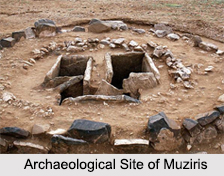
History of Thissur District
Early History of Thissur District explains flourishing of the port cities. Now these port cities are transformed into archaeological sites.
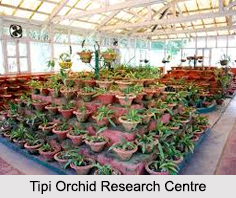
Tippi Orchid Research Centre, Arunachal Pradesh
Tippi Orchid Research Centre in Arunachal Pradesh is renowned for its rich collection of exotic and endangered orchids. Surrounded by lush rainforest...
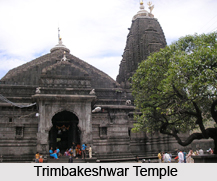
Tourism in Nashik District
Pilgrimage tourism in Nashik district involves visiting the various places of Hindu and Jain worship located here. Some of the holiest sites for Hind...
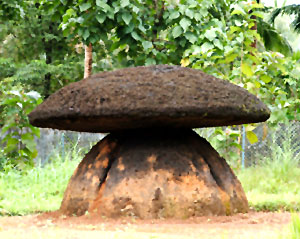
Mangadu, Kerala
Mangadu in Kerala’s Kollam district is a significant megalithic site known for its urn burials, cist burials, menhirs, and stone circles. Excavations...
Devaswom
History of Devaswom is not very ancient and can be dated back to late seventeenth century.
Related articles in States of India
East Indian States
East Indian States comprises of Bihar, Jharkhand, West Bengal, Odisha and also the Union Territory of Andaman and Nicobar Islands. It defines the cult...
Purnia District in Bihar
Purnia District is located in Bihar and extends from River Ganga to Nepal. The district has a rich Hindu history and glorious past.
Hooghly district
Hooghly District along the bank of the river Hooghly is one of the principal trading ports of West Bengal.
Geography Of Chittoor District
Geography of Chittoor district is spread along the topography of the land which is divided into two natural divisions; Chittoor has a dry and healthy...
Districts of West Bihar
Districts of West Bihar is comprised of medieval monuments that were built by the different governors of Mughal era.