Kuru, Sixteen Mahajanapadas - Informative & researched article on Kuru, Sixteen Mahajanapadas
  Indianetzone: Largest Free Encyclopedia of India with thousand of articles History of India


in  
Art & Culture | Entertainment | Health | Reference | Sports | Society | Travel
Forum  | Free E-magazine
History of India : Sources of History of India l Ancient History of India l Medieval History of India l Modern History of India l Indian Historical Dynasties l Indian Battles l Sepoy Mutiny 1857 l Indian Rulers l History of India l Indian Freedom Struggle l Indian Governor- Generals l British Indian Acts l Post Independence India l Iron Age in India
Home > Reference > History of India > Sixteen Mahajanapadas > Kuru
Kuru, Sixteen Mahajanapadas
The kuru janapada is one of the sixteen mahajanapadas.

It comprised of the neighbouring areas of the present Delhi and Meerut cities. According to Jain sutras, Ichhvaku was the king of Kuru state. Initially a monarch, it had become a republic in the time of lord Buddha but later on declined. Regarding the origin of the Kurus it has been said that they belong to the Puru-Bharata family. Kurus were the specific origin of people living in the Kurukshetra and according to the Buddhist text Sumangavilasini; the kurus came from the Uttarakuru. Testified by the Vayu Purana, the founder of Kurukshetra or kuru janapada was Kuru who was the son of Samvarsana of the Puru lineage. During sixth/fifth century BCE, the Kurus are believed to have shifted to republic form of government.
(Last Updated on : 31/01/2009)
  More Articles in Sixteen Mahajanapadas
 
Chedi Kasi Kosala
Anga Vajji Malla
Vatsa Kuru Panchala
Matsya Surasena Assaka
Gandhara Kamboja Avanti
Recently Updated Articles in History of India
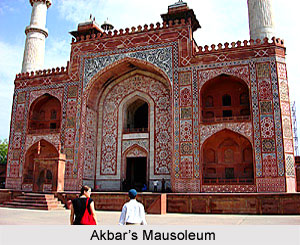
  • Mughal Architecture
    Mughal architecture is a combination of Islamic, Persian, Turkish and Indian architecture. It is a style that was developed under the Mughal dynasty in the sixteenth and seventeenth centuries.
  •  
  • Mansabdari System in Mughal Dynasty
    Akbar introduced the Mansabdari System in the Mughal army which primarily meant the ranking of officers on decimal system.
  •  
     
  • Deccan Policy of Mughal Dynasty
    Deccan Policy of the Mughal dynasty was weak during the reign of Babur and Humayun but after the accession of Akbar on the throne, the political situation changed and the Deccan policy was a success.
  •  
  • Coins of Pandyas
    Coins of Pandyas bear the legend of different Pandya ruler in different times.
  •  
  • Art and Architecture of Mughal Empire
    Art and architecture of Mughal Art offers an aesthetic degree to all art lovers. The subtlety of the finesse and the dazzle of the aura create huge amount of interest among tourist.
  •  
    E-mail this Article | Post a Comment
    RSS Feeds
    Forum
    Forum on History of India

    Free E-magazine
    Subscribe to Free
    E-Magazine on Indian Crafts
     
     
    Kuru, Sixteen Mahajanapadas - Informative & researched article on Kuru, Sixteen Mahajanapadas
    Sitemap
    Contact Us   |   RSS Feeds
    Copyright © 2008 Jupiter Infomedia Pvt. Ltd. All rights reserved including the right to reproduce the contents in whole or in part in any form or medium without the express written permission of Jupiter Infomedia Pvt. Ltd.