


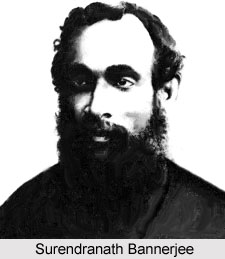
 The genesis of the Indians National Congress created the common front of the nationalist feeling in India. The various political organizations in different parts of India and the ferment of ideas had prepared the ground for the foundation of the Indian national Congress. According to the historians the Indian National congress was the visible s embodiment of the national uprisings in allover India. The efforts of Surendranath Bannerjee, the leader of the Indian Association of Calcutta played the most important role in the formation of the Indian National Congress. Mr. Hume, a retired government official was entrusted with the charge of giving the organization a definite shape and an all India character. W.C Bonnerjee popularized the idea and motto of the Indian National Congress. Thus the Indian National Congress came into existence with an all-Indian character. The genesis of the Indians National Congress created the common front of the nationalist feeling in India. The various political organizations in different parts of India and the ferment of ideas had prepared the ground for the foundation of the Indian national Congress. According to the historians the Indian National congress was the visible s embodiment of the national uprisings in allover India. The efforts of Surendranath Bannerjee, the leader of the Indian Association of Calcutta played the most important role in the formation of the Indian National Congress. Mr. Hume, a retired government official was entrusted with the charge of giving the organization a definite shape and an all India character. W.C Bonnerjee popularized the idea and motto of the Indian National Congress. Thus the Indian National Congress came into existence with an all-Indian character.
In 1885 the first meeting of the Indian national Congress was held in Bombay under the presidency of Womesh Chandra Bonnerjee. The first meeting in the year 1885 initiated the first phase of the Indian National Congress. It was the period when the programmes and policies of the Indian National Congress were entirely controlled by the educated intellectuals or the moderates. The nationalist leaders like Dadabhai Naoroji, P.M Mehta, D.E.Wacha, and W.C Bonnerjee etc dominated the policies of the Indian Nationalist Congress during this period. They strongly believed the spirit of liberalism and the s moderate politics. These leaders came to be known as the Moderate. They completely alienate themselves from the neo nationalists of the 20th century who were labeled as the Extremists. The Moderate philosophy of administration was the happy amalgamation of the liberalism and moderation. The moderates, the believers of the spirit of liberalism sought to liberate the Indians from race and the creed prejudices, promote the equality of men, equality before law and the extension of civil liberties, extension of representative institutions etc. Thus the Moderates sought to liberate India through a process of gradualism and constitutionalism. During this period the Indian National Congress was dominated bys the middle class educated intellectuals. The idea and the methods of this educated middle class pervaded the characters of national struggle led by the Indian national Congress. Since the educated class were mostly the servants under the British government, they were exceptionally polite with them. Their political feeling or consciousness was completely different from the common masses. They even isolated themselves from the masses. Hence their struggle against the British were not included the common mass. Ignorant of the misery of the s common people, the moderates followed the policy of constitutionalism. They only wanted the s right to self-government, which would strengthen their own position in the field of administration. Moreover the delegates of the Indian National Congress were mostly drawn from the cities and hardly any direct contact with the common run of men. 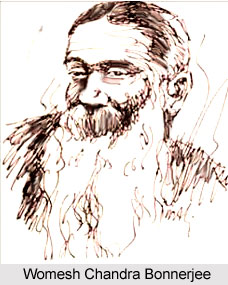 The congress leaders were full of admiration for the British history and culture. It was their essential faith that the British rule in India had some positive effects on the s land and culture of India. Henceforth they looked upon the British Government not as an antagonist but as their ally. Therefore they believed in the policy of constitutionalism in order to seek their rights and liberties from the British Government. In the course of time they believed that the British Government would help them to acquire the capacity of self-government in the pattern of the west. Thus these educated intellectuals strongly believed that the chief obstacle in the way of India's progress was not the British colonial rule but the socio-economic backwardness of the British government. Not the independence, rather the socio-economic progress of India was the sole motto of the moderate leaders of the INC, during the firsts phase.
The moderate leaders stood for the maintenance of the British Government in India rather than to independent India. They apprehend that anarchy and disorder would reappear again if the British rule ceased to exist. According to them the British government maintained the peace and order of the country, which would help for the proper functioning of the administration. It was the sincere belief of the educated Indians that India's progress was only possible under the British supervision. Thus in their process of nationalisms they instead of weakening the British Empire in India, strengthened it. Loyalty to the Crown was their basic political religion. Most of the leaders of the first phase of the British government believed that the British people were just righteous and liberalist. It was their belief that the British rulers would do justice to the Indians. In such circumstances the nationalist leaders believed that all they had to do was to prepare their petitions and plead in the British government for the right of the self-government or Swaraj. A British committee of the Indian National Congress was set up in England, which published a weekly journal "India". In the journal they presented India's cases before the British public so that the government pay any heed to it. Despite its moderate efforts and its emphasis to the loyalty of the British Crown it could not evoke enough sympathy from the part of the British Government in India. The policy of the moderates was condemned as the political mendicancy. It opened the opportunities for hypocrites. It enabled some people to trade in the name of patriotism. Perhaps the greatest service of he Moderate leaders was rendered when they assessed the economic impact of the British rule in India. They focused the public attention on the fact of the Indian poverty and explained that this poverty was due to the economic exploitation of the British in India. The Drain Theory innovated by Dadabhai Naoroji, Dutt, Wacha and others described the economic role of the British Government in India. Thus the period of 1858 to 1905 was the first phase of the Indian National Congress. It was the seedtime of the Indian nationalism but prayer, petitions and the other constitutional measures of the s Moderate leaders marked the period. |
| |||



Home > Reference > History of India > Modern History of India > Birth of Indian National Congress > First phase of Foundation of Indian National Congress
First phase of Foundation of Indian National Congress
| The first phase of the Indian Nationals congress was marked with moderate policy of gradualism and constitutionalism. |
| ||||||||||||||||||||||||||||

