
 Pune is geographically located near confluence of the Mula River and Mutha River. This capital city of Pune District of Maharashtra was capital of Maratha Empire in medieval era.
Pune
Pune is noted for tropical climate, fort, palace, and the educational institutions. This place is not far from Mumbai and it is considered as the cultural capital of Maharashtra.
Pune City, Maharashtra State
Pune is geographically located near confluence of the Mula River and Mutha River. This capital city of Pune District of Maharashtra was capital of Maratha Empire in medieval era.Location of Pune
This second largest city of Maharashtra is located on the Deccan Plateau region. The average elevation of Pune is about 560 meters from the sea level.
>History of Pune
History of Pune traced back from the rule of Rashtrakutas Dynasty. After the decline of Rashtrakutas, Yadavas of Devgiri rose into prominence. Gradually, Sultans rose into power till Mughal era. Later, Marathas took the control of Pune. But the Anglo- Maratha War gave an opportunity for the rise of British Empire in India. From 18th Century, Pune became the heart of freedom struggle in western India till Independence in 1947.
Geography of Pune
Pune is positioned on the leeward side of Western Ghats Mountain Range in India which separates it from the Arabian Sea. The latitudinal limit of this place is ranging between 18 degree 29 minutes 45 seconds north and 73 degree 47 minutes 47 seconds south.
Climate of Pune
Pune enjoys a moderate temperature with summers commencing from early March which stays on till July. Pune has both semi arid climate and tropical wet and dry climate. The temperature ranges from 19 degree Celsius to 33 degree Celsius.
Demography of Pune
 According to the Population Census 2011, Pune has the total population of about 3,124,458. The average literacy rate was 86.15 percent. Marathi language is the official language of Pune.
Administration of Pune
Pune is administered by Pune Municipal Corporation and Pune Metropolitan Regional Development Authority for the developments of the city.
Education of Pune
Known as the Oxford of East Pune has more than 100 educational institutions and more than 9 deemed universities. Pune University, Symbiosis International University, Institute of Management Development and Research, Tilak Maharashtra University and Armed Forces Medical College are the popular colleges and universities here.
Economy of Pune
Pune is the largest producer of automobile. Pune is also the home of many German companies. Discover local businesses including manufacturers, suppliers, and dealers across industries in Pune Yellowpages.
Culture of Pune
Pune is known for its culture, cuisines and Sawai Gandharva Bhimsen Mahotsav. Sorghum and millet are the main components of the cuisine of Pune. Pune also has large number of cricket and football stadiums.
Tourism in Pune
Pune has many places to see. Some of them are Chatushrungi Temple, Pataleshwar Cave Temple, Aga Khan Palace, Shaniwar Wada, Sinhagad fort, Raja Dinkar Kelkar Museum, Mahatma Phule Museum and Rajiv Gandhi Zoological Park.
Visiting Information
Pune is well connected with all other states of India by Pune Airport (airways), Central Railway Zone (railways) and National Highway 4 (roadways).
Recently updated articles in Cities of India
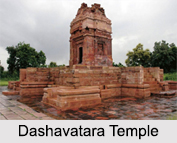
Places of Interest in Deogarh Uttar Pradesh
A place of historical and archaeological significance, Deogarh is a site with few popular places of interest.
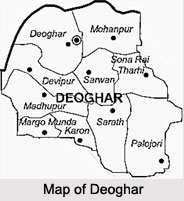
Deoghar in Jharkhand
Deoghar is the divisional headquarters of Santhal Parganas located in Jharkhand and is popular for the famous Baidyanath temple and Shiva Temples.
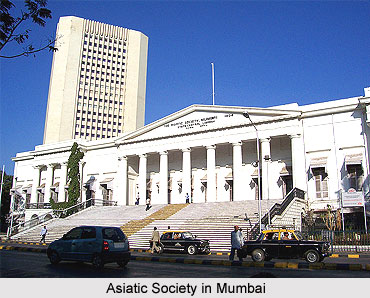
The Asiatic Society of Mumbai
Asiatic Society in Mumbai is the temple of Asian Studies from the time of British rule in India.
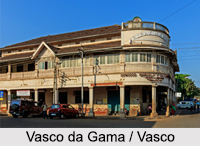
Vasco da Gama / Vasco City
Vasco da Gama / Vasco is the biggest city of Goa and is one of the most visited for its perfect amalgamation of business as well as leisure options.
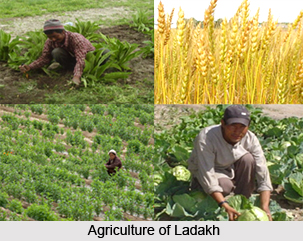
Agriculture of Ladakh
Agriculture in Ladakh is primarily practiced in the short summer season due to its cold desert climate. Farmers grow hardy crops like barley, wheat, p...
Related articles in Cities of India
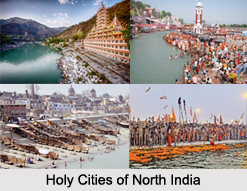
Holy Cities of North India
Holy Cities of North India are having the rich history of Hinduism and the entire civilization was grown up with the hands of beliefs, rituals and the...
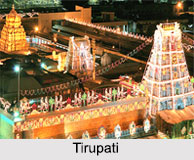
Holy Cities of South India
Holy Cities of South India gives the detailed cultural formation of Dravidians from the early era, which later developed to the world by the Pallavas...
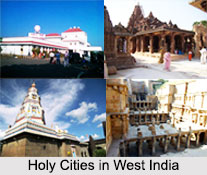
Holy Cities of West India
Holy Cities in West India were established by the rulers of Rajputs and the Satvahana Dynasty and the medieval rulers of Junagadh.
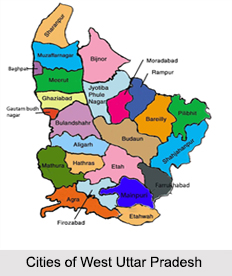
Cities of West Uttar Pradesh
Cities of West Uttar Pradesh include Meerut, Bulandshahr, Ghaziabad, Saharanpur, Muzaffarnagar, Bijnor, Bareilly, Rampur, Agra, Aligarh, Mathura and m...
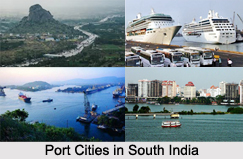
Port Cities of South India
Port Cities of South India are developed from the early phase of colonial era when the Portuguese and the French traders came to India