 Jaundice is common in newborn babies and will usually clear without treatment. However, for adults the symptoms of jaundice usually indicate damage to the liver. If the cause of the jaundice is not treated, liver failure can result. The patient is advised complete rest.
Causes and Symptoms: Jaundice may be caused by inflammation of the liver, which is known as hepatitis. This is an infection, or an obstruction of the bile ducts due to cirrhosis. It can also be caused by ingestion of certain poisonous substances, the morbidity of which the liver is unable to deal with. Whatever the technical name, many diseases of the liver result in jaundice.
The yellow colour first appears in the white of the eyes and then spreads to the whole skin. Excess of bile pigment i.e. pitta that circulate in the blood gives the skin its yellow colour. The bile does not go into the intestine as it should, and so, the stools of the jaundiced patient lose their typical brownish colour. In severe cases it becomes almost whitish. There is less of appetite and impairment of digestion. The liver is unable to digest fat and there may be a sense of fullness at the time. Nausea may also be present in certain cases because of defective digestion. If the liver is inflamed, there is also pain in the region of the organ and it is tender to touch.
Thus it can be summaries that Jaundice may be caused by a number of factors such as an obstruction of the bile duct, often due to a tumour or gallstone, Hepatitis i.e. an inflammation of the liver, Biliary stricture i.e. a narrowing of the duct that transports bile from the liver to the small intestine, Cirrhosis i.e. a slowly progressing disease in which healthy liver tissue is replaced with scar tissue, eventually preventing the liver from functioning properly, Pancreatic cancer, Inadequate blood flow to the liver, Congenital disorders involving bilirubin, Malaria i.e. a serious and sometimes fatal disease in humans caused by a parasite transmitted by mosquitoes
Medicines & Prescriptions: The treatment of jaundice must start with purification. The basic theory is that no burden be placed on the liver and for that, a daily purgative is recommended. Allopaths generally recommend a saline purgative. A diuretic may also be administered to encourage the flow of urine which will expel most of the bile from the system.
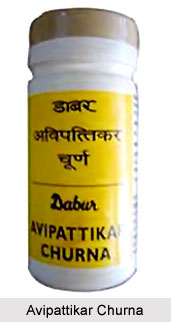
Trivari i.e. Operculina turpenthum and katuki are the two major drugs with which the treatment of jaundice should start. One to two teaspoonfuls of the powder of the drugs may be administered with hot water twice daily. A well-known combination of drugs used by Ayurveda for the treatment of jaundice is Avipattikar Churna and Arogyavardliini Vati. The Churna should be given in one-teaspoonful doses twice a day with hot water. Arogyavardhini Vati is available in 250 mg strength, and two tablets should be given thrice daily with hot water or with honey. Other drugs used in the treatment of jaundice can be named as Vasaka or Adhatoda vasica, Kakamachi or Solatium nigrum, and triphala or the three myrobalans. Any or all the above drugs may be prescribed depending upon the condition of the patient.
Home Remedies: A popular method to encourage the flow of copious urine in a patient suffering from jaundice is to soak a piece of tender bark of the peepul tree in water overnight and drink the water in the morning.
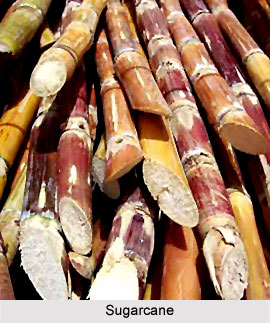
Diet and Other Regimen: Sweet substances and liquids like sugarcane juice, fruit juice, and dry grapes should form the mainstay of the patient`s diet. Spices, fats, alcohol, and tobacco are contraindicated. Buttermilk is the best drink for a patient suffering from jaundice. No oil should be there in the diet. People should feed on boiled vegetables like potato, papaya, etc.