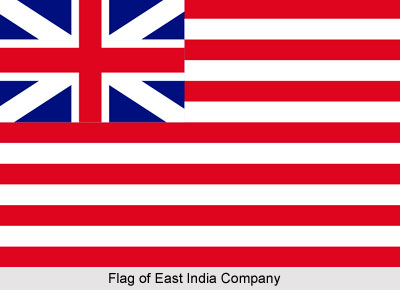
 During the British supremacy in India, Indian states were numbered to 562, covering a total area of 712,508 square kilometers. The making of the Indian states was largely governed by the same circumstances, which led to the growth of the east India Company`s power in India. Many Indian states, independent or the semi independent came into existence from the remains of the disintegrated Mughal Empire. The East India Company became political power during the same period. They build up their power from the weakness of the Central Mughal authority. Many states like Hyderabad, Oudh, Rajput etc were not conquered. Rather they accepted the English sovereignty. Apart from these, the British in the process of overthrow of the Maratha confederacy also created several states. However the historians have opined that the East India Company had followed a strict diplomatic policy to bring, all the provincial states under their own control. For a protracted period of time the East India Company maintained the political supremacy of the Indian states. With a number of policies like The company`s struggle for Equality, The Policy of Ring Fence or Buffer state, The Policy of subordinate Isolation, Policy of Equal Federation, the company further fortified its strength.