 Tribes of the Sangam Period in India
Description:
The Sangam period in South India witnessed the coexistence of various tribes and castes. The Tamil Poems well describes these tribes of the Sangam period. From the Nagas to the Malavar and Maravar, these tribes played significant roles in the social, cultural, and political dynamics of ancient Tamil Nadu and Kerala.
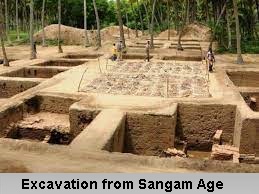
The Sangam period, spanning from the 3rd century B.C. to the 3rd century A.D., is a significant era in the history of South India. Named after the legendary Sangam academies held under the patronage of the Pandya kings of Madurai, this period witnessed the flourishing of literature, arts, and culture. The Sangam period refers to the history of ancient Tamil Nadu, Kerala, and parts of Sri Lanka, known as Tamilakam. During this time, the society was organized into occupational groups rather than the fourfold Vedic system of caste hierarchy. It is interesting to explore the tribes and castes that existed during the Sangam period, to know about their chief deities, occupations, and societal roles.
Tribal Divisions and Chief Deities during Sangam Period
According to the "Tolkappiyam," a Tamil literary work, the land was divided into five regions, each with its respective chief deity and primary occupation. The divisions were as follows:
Tribal Divisions and Chief Deities during Sangam Period
According to the "Tolkappiyam," a Tamil literary work, the land was divided into five regions, each with its respective chief deity and primary occupation. The divisions were as follows:
Kurinji: This region was associated with the chief deity Murugan. The people of Kurinji were engaged in hunting and honey collection.
Mullai: Mullai was associated with the chief deity Mayon, also known as Vishnu. The inhabitants of Mullai were involved in cattle-rearing and the trade of dairy products.
Marudam: The chief deity of Marudam was Indira. The people of this region primarily practiced agriculture.
Neydal: Varunan was the chief deity of Neydal. The inhabitants of this coastal region were engaged in fishing and salt manufacturing.
Palai: The chief deity of Palai was Korravai. The people of Palai were associated with robbery.
Caste System in Sangam Society
The Sangam society had a different social structure compared to the later fourfold Vedic caste system. The Tolkappiyam mentions four castes:
Arasar: The ruling class, known as Arasar, held significant political power during the Sangam period.
Anthanar: Anthanars played vital roles in the Sangam polity and religion, exerting their influence on the society.
Vanigar: Vanigars were traders and merchants who contributed to the economic activities of the period through trade and commerce.
Vellalar: Vellalas were agriculturists who played a crucial role in sustaining the agrarian economy.
Other Tribal Groups in Sangam Period
In addition to the aforementioned castes, several other tribal groups coexisted in the Sangam society. These tribes included the Parathavar, Panar, Eyinar, Kadambar, Maravar, and Pulaiyar. These tribes had their own distinct cultural practices, occupations, and societal roles within the broader framework of the Sangam society.
Primitive Tribes in Sangam Period
The Sangam period also saw the existence of primitive tribes such as the Thodas, Irulas, Nagas, and Vedars. These tribes inhabited various regions and contributed to the cultural diversity of the time.
The Nagas were one of the most prominent tribes in South India during the Sangam period. Their origin remains unclear, with some suggesting that they belonged to the region, while others propose a foreign origin based on historical accounts. The Nagas were known for their civilization and influence in several parts of South India.
Prominent War-Like Tribes
Numerous war-like tribes held sway over parts of South India during the Sangam period, leaving their mark on the history of the era. Among them, the Malavar, Kosar, Eyinar, Aruvalar, Kongar, Karunadar, and Gangar are prominently mentioned in Tamil poems of the Sangam period. These tribes were renowned for their military prowess and leadership. They played significant roles in shaping the political landscape of the time.
The Malavar and Maravar tribes were often grouped together and primarily occupied the eastern coast of the peninsula. They were celebrated in ancient poems for their exceptional archery skills and were among the first to introduce horses in battle. Notable chieftains from these tribes included Pittan Korran of the Kuthiraimalai region, Adigaman of Tagadur, and Palayan Maran of Madurai.
The Eyinar tribe was known for their predatory habits and hunting skills. They worshipped Goddess Kali and followed rituals such as offering buffalo sacrifices on her altar. Their way of life revolved around consulting omens and seizing opportunities for cattle lifting, robbery, and even murder.
The Aruvalar tribe inhabited the region between the Palar and Pennai rivers. They are described as rulers of the area until they were defeated by Karikala, as mentioned in the “Pattinappalmâ€. These tribes played a significant role in the political and social dynamics of the Sangam period.
References to the Gangas and Other Tribes
References to the Gangas, a ruling dynasty, can be found in ancient epigraphic sources related to Ganga history. The Silappudikaram, a Tamil epic, mentions the Gangas and their king Konganivarman, placing them in the Kongu region in the early 5th century A.D. The Velir, another prominent group mentioned in Sangam poems, were associated with the Gangas and hailed from the Ganges valley.
The Velir chieftains, known as the "nine Velir," and other chieftains defeated by the early Tamil kings as mentioned in ancient Tamil poems like “Pattinappalai†are often mentioned alongside these tribes. The interactions and conflicts between these tribal groups and the ruling dynasties of the time highlight the intricate political dynamics of the Sangam period.
The Sangam period in India witnessed a diverse range of tribes and castes that played pivotal roles in the social, cultural, and political fabric of ancient Tamil Nadu, Kerala, and parts of Sri Lanka. These tribes, such as the Nagas, Malavar, Maravar, Eyinar, and Aruvalar, left an indelible mark on the history of the time through their unique practices, occupations, and military prowess. Additionally, ancient primitive tribes like the Thodas, Irulas, Nagas, and Vedars contributed to the cultural diversity and richness of the period. The Sangam period remains a significant chapter in the history of India, reflecting the complexity and vibrancy of ancient South Indian societies.