


 Songkran means to move or change place. It indicates the changes in the position of sun in the zodiac. At this time the Thais celebrate their New Year. The date for the celebration used to be decided as per the astrological calendar. Songkran means to move or change place. It indicates the changes in the position of sun in the zodiac. At this time the Thais celebrate their New Year. The date for the celebration used to be decided as per the astrological calendar.
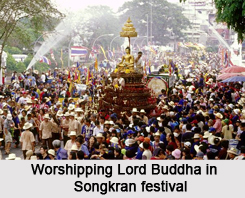
The Songkran festival is the time to be reminiscent of the people that they need to recognize and respect what their parents have done for them all the way through their life. The festival also persuades the people to pay a visit to old neighbors and reinforce the relationships with them. Celebration of the Songkran Festival Throughout the festival, people visit Buddhist temples and worship the great Buddha and also proffer food to monks and cleanse the image of Buddha with water and gentle Thai perfume. The last is believed to bring good luck and prosperity in the New Year. Songkran is essentially an extension of the basic cultures on which the Asian countries have been built. Respect for parents, loving neighbors and strengthening the bonds of friendship are some of the basic principles that almost all the Asian societies follow. During the celebration people pay visit to Buddhist monasteries and temples to worship the Enlightened One. They also offer food to the monk and clean the images of Gautama Buddha. Performing these rituals is supposed to bring good luck to them. In certain places a procession is taken out with the statues of Buddha. Lay followers also take up community services to commemorate this day. It is believed that Buddha propagated that this is the best way to attain happiness. Songkran is also known as the Water festival. It is because people are required to offer water on other people's hands in small quantities to show their respect for each other. As the festival is basically celebrated to for parents' people today often carry small gifts to for them. Songkran also helps in strengthening family bonding. |
| |||



Home > Art & Culture > Indian Festivals > Indian Religious Festivals > Indian Buddhist Festivals > Songkran Festival in India
Songkran Festival in India
| Songkram is celebrated as a way of showing respect to parents. |
| ||||||||||||||||||||||||||||

