Satrapal families in India
  Indianetzone: Largest Free Encyclopedia of India with thousand of articles History of India


in  
Art & Culture | Entertainment | Health | Reference | Sports | Society | Travel
Forum  | RSS Feeds  | Free E-magazine
History of India : History of India l Medieval History of India l Modern History Of India l Muslim Rule in India l Indian Historical Dynasties l Indian Battles l Indian Natural History l Indian Rulers l Caste System in India l Sources of History of India
Home > Reference > History of India > Satrapal families in India
Satrapal families in India
The Satrapal families were introduced in India by the Achaemenian rulers in 6th century B.C.
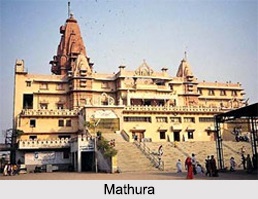
  Northern Satraps of Mathura   Western Satraps of Saurashtra    

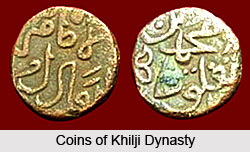
The term "Satrap" is the Greek form of Persian Kshtra-pavan, which means "protector of realm" and its Sanskrit equivalent is `Kshatrapa`. The term `Satraps` refers to the subordinate rulers who act as the protector of the realm. The Satrapal system of administration was introduced by the Achaemenian kings in 6th century B.C. Originated in Persia, the Satrapal administration was revived by the Indo-Greeks in India. Satrapal establishment became a regular feature of Indian administration in the Saka-Parthian-Kushana period. There were two grades of the Satrap governor- the Satrap and the Great Satraps. The post of Great Satrap was superior to the Satraps. Epigraphic and numismatics data provides the names of many Satrapal officers who had predominated ancient India. As historical records state, there was a contest among the Satrapal officers, and ultimately four Satrapal houses rose to great prominence. These four Satrapal families were categorised by the historians into two groups for convenience. These were- the Northern Satraps of Taxila and Mathura and the Western Satraps of Maharashtra and Ujjaini.
(Last Updated on : 2/02/2009)
  More on ...
 
Sources of Ancient Indian History Sixteen Mahajanapadas Indus Valley Civilization
Rise of Magadha Vardhan Dynasty Kushana Empire
Maurya Empire Gautama Buddha Ancient Indian Culture
Gupta Empire in India Warfare in Ancient India Chalukya Dynasty
Nanda Dynasty Early Muslim Advent into India Rise of Hunas
Vedic Civilisation History of South India Military Architecture in Ancient India
Shunga Dynasty Ancient Ships in India Aryans
Alexander`s Invasion of India Political Condition of Northern India After Guptas Seals of Ancient India
Kalinga Feudalism in ancient India Religious Revolution during 6th Century B.C. in India
Dark Age Chandella Dynasty Classical Age in India
Satrapal families in India Saka Kings of India Kadamba Dynasty
Parmaras Kalachuris Political Condition of Northern India After Harsha Vardhan
Social condition of india in 6th Century B.C. Economic Condition Of 6th century India Religious Upheaval in 6th Century India
Meteorology In India    
Recently Updated Articles in History of India
  • Mughal Architecture During Later Mughals
    Mughal architecture during later Mughals blatantly had displayed its unostentatious-ness and deficiency of secured fina.
  •  
  • Kushana Empire
    Kushanas are revered for their contribution in economic, social and cultural prosperity in classical India.
  •  
  • Mauryan Society
    Mauryan Society followed a strict seven fold division based on the profession of the individuals.
  •  
  • Ajatashatru
    Ajatashatru was a prominent ruler of Magadha and had established the pre-dominance of Magadha in Eastern India.
  •  
  • Gana-Sanghas
    Gana-Sanghas were patterns of government which had essential differences with kingdom and was focused on egalitarian societies.
E-mail this Article | Post a Comment
Free E-magazine
Subscribe to Free
E-Magazine on History of India

 
Satrapal families in India Sitemap
Contact Us   |   RSS Feeds
Copyright © 2008 Jupiter Infomedia Pvt. Ltd. All rights reserved including the right to reproduce the contents in whole or in part in any form or medium without the express written permission of Jupiter Infomedia Pvt. Ltd.