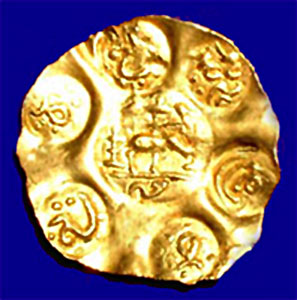
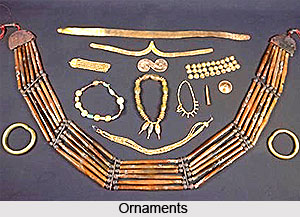
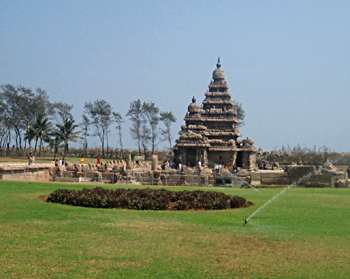
 Nayaka Dynasty of Ikkeri, a feudatory family rose to power due to the feudalistic decentralization in the Vijayanagar Empire was a very important empire. Later on the Nayakas became independent and came to be called the rulers of Ikkeri. They ruled from 1500 to 1763, under uncertain conditions in the south.
Nayaka dynasty was matchless in framing the political and cultural history of Karnataka because they continued the policy of the Vijayanagara emperors in acting as a barricade against expansion of Islam. Besides this, the Keladi rulers successfully curbed the expansionist tendencies of the Portuguese power on the western coast. The kings also offered resistance to the absorption of their territory by the Sultan of Bijapur. At its zenith, the Keladi kingdom extended from Goa in the north and Cannannore in the south and included the present Shimoga, Uttara Kannada, Dakshina Kannada and part of Hassan districts.
Two semi-historical literary works Keladinripavijaya and the Sivcttattva Ratnakara speak about the history of Keladi. The founders of the kingdom were Chauda and Bhadra, the sons of a Veera Saiva agriculturalist. Having discovered a buried treasure in their field at Keladi, Chauda managed to become the chieftain of that village. He ruled for thirteen years having been crowned in 1500. The two brothers were employed by Krishnadeva Raya against rebel elements in his empire. In recognition of the heroism and loyalty of: Chauda the Vijayanagara emperor made him the governor of Pulladesa and gave him the title Keladi Mulasam Sthanada Chaudappa nayaka. He had two sons Sadasiva and Bhadrappa. Chaudappa Nayaka was succeeded by his son Sadasiva Nayaka.
Sadasiva Nayaka
Keladi Nayakas emerge into the limelight with the accession of Sadasiva. He is known to have routed the rulers of Kalyana, Kalburgi, Bidar, Bankapur, and the Tulu and Kerala countries and gained the title of `Satrusaptangaharana.` According to one of his inscriptions, Sadasiva ruled over 56 garudas comprising Araga, Gutti, thirty-six Kampanas, Tulu rajya, Barakura and Manguluru. Besides military exploits, Sadasiva is credited for having made grants to Brahmin and Virasaiva mathas, and constructing forts at Chandragiri, Keladi and Kasargod. He appears to have taken to a retired life towards the end of his life and left the responsibility of administration to Bhadrappa Nayaka. Later the successors of Sadasiva continued as feudatories of the Vijayanagar Empire till Venkatappa Nayaka I became independent some time in 1613. It is believed that the capital of this kingdom was shifted from Keladi to Ikkeri during Sadasiva Nayaka`s time. But according to some scholars this happened during Venkatappa Nayaka.
Venkatappa Nayaka
Venkatappa was the most successful Nayaka who extended his kingdom on all sides and drove back the Bijapur forces. He defeated Bhairadevi of Gerusoppa and restricted the Portuguese expansion. To mark the victory against Bhairadevi, he erected a pillar at Hangal. The Keladi state became a power to be reckoned with and the rice and pepper trade of the west passed into the hands of the Nayaks from the Portuguese. Venkatappa is credited with the construction of a number of forts, temples and the founding of many agraharas (villages granted to learn Brahmanas). Venkatappa was succeeded by his grandson Virabhadra Nayaka (1629-45). Virabhadra`s reign was one of political troubles. As Virabhadra died without a male heir, the throne passed on to his uncle`s sons - Sivappa and Venkatappa. Sivappa murdered Venkatappa, who had been crowned because of his age, and ascended the throne in 1645.
Sivappa Nayaka
Sivappa was the most outstanding and distinguished ruler. He extended his kingdom southward so as to include the Hassan and Chikka-magalur districts of the present day. He laid siege to Vellore. He also gave shelter to Sriranga-raya of Vijayanagar, when he suffered a defeat by the Sultan of Bijapur. In 1652, he defeated the Portuguese and drove them away from Mangalore, Kundapur, Gangolli and Honnavar. He restored order and stability in the kingdom. He built several fortifications in Kerala. He built tanks and temples. He is best known for his land revenue system. He introduced the sistu or regulation, which fixed the assessment of land. The efficiency with which his system operated then has continued in the form of a proverb - namely - `Sivappa Nayaka sistu.`