Herbalism is a traditional method of medicinal practice based on the use of plants and plant extracts. Herbalism is the part of folk medicine and also known as botanical medicine, medicinal botany, herbal medicine, medical herbalism, herbology and phytotherapy. Herbal medicine sometimes included fungi and bee products as well as minerals, shells and many animal parts.
The plants have certain medical benefits to human beings though many of the beneficial effects are not proven scientifically. It is recommended that proper double blind clinical trials are needed to be done before the practical use of the medicines in order to determine and ensure the safety and efficacy of each plant or plant product. Many consumers believe that herbal medicines are safer as these are purely natural. But herbal products should not be used while taking synthetic drugs as it causes toxic effects on the patients by interacting with the synthetic drugs. Herbal products might have contamination and the herbal medicines can replace the synthetic drugs even without their efficacies proven.
Many plants synthesize certain products that are beneficial to the maintenance of health in humans and other animals. The useful plant products include aromatic substance. The plant products are mostly phenols or their oxygen substituted derivatives like tannins. Many secondary metabolites have been isolated from the plant products, which ranges about twelve thousand. In many cases these substances, particularly the alkaloids acts as the defence mechanism of the plants against the predation of the microorganisms, insects and herbivores. Many of the herbs and spices, used in seasoning food are the useful medicinal compounds of plants.
The herbal medicine is still useful and coherent in the modern era as they are natural and easy to use. Many of the pharmaceuticals currently available to the physicians have a long history of use as herbal remedies such as quinine, aspirin, opium and digitalis..
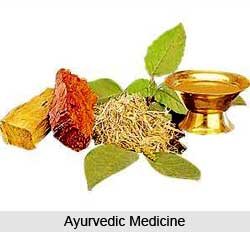
 Herbal medicine consists of the greater part of all traditional medicinal system. Herbal medicine is a part of Ayurveda, naturopathic, homeopathic, traditional Chinese medicine and Native American medicine.
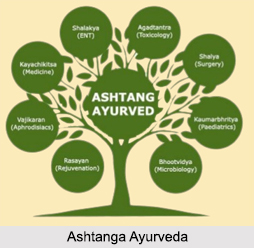
The research on herbal medicine and its uses has increased in the recent years. Pharmacologists, botanists, microbiologists and natural product-chemists are in constant effort to reveal the benefits of different plant products for the treatment of various diseases. In India, Ayurvedic medicines have complex formulae with a number of ingredients that undergo alchemical processing and then used to balance Vata, Pitta and Kapha.
Most herbal treatments have developed without modern scientific controls to distinguish between the body`s natural ability to heal it and the actual benefits provided by the herbs. Many herbs show positive results in vitro in animal models or small-scale clinical tests but many herbal treatments also yield negative results.
Determining the dosage is another important aspect of herbal treatments. The most conventional medicines are thoroughly tested to determine the most effective and safest dosages and is related to many criteria like body weight, drug interactions etc. There are few established dosage standards for the herbal treatments available in the market. Thereby several methods of standardization are applied to the herbs.