Common name: Indian ipecac
Botanical names: Tylophora indica, Tylophora asthmatica
Parts used and where grown
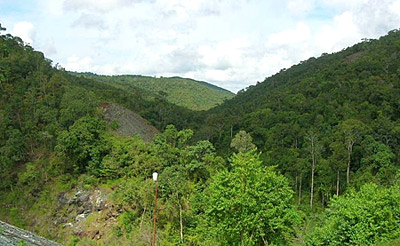
Tylophora is a perennial climbing plant native to the plains, forests, and hills of southern and eastern India. The portions of the plant used medicinally are the leaves and root.
Historical or traditional use
This plant has been traditionally used as a folk remedy in certain regions of India for the treatment of bronchial asthma, bronchitis, rheumatism, and dermatitis. In the latter half of the 19th century, it was called Indian ipecacuahna, as the roots of the plant have often been employed as an effective substitute for ipecac. The use to induce vomiting led to tylophoras inclusion in the Bengal Pharmacopoeia of 1884.
Active constituents
The major constituent in Tylophora is the alkaloid tylophorine. Laboratory research has shown this isolated plant extract exerts a strong anti-inflammatory action. Test tube studies suggest that tylophorine is able to interfere with the action of mast cells, which are key components in the process of inflammation. These actions seem to support Tylophoras traditional use as an anti - asthmatic and anti -allergenic medication by Ayurvedic practitioners.
These historical and laboratory findings have been supported by several human clinical trials using differing preparations of Tylophora, including the crude leaf, tincture, and capsule. One clinical trial with asthma sufferers, found that Tylophora leaf chewed and swallowed daily in the early morning for six days led to moderate and complete relief of asthma symptoms.
Side Effects
Patients using tylophora may experience temporary nausea and vomiting, soreness of the mouth, and loss of taste for salt, particularly with the fresh leaf and tincture. The herbs safety for use during pregnancy and breast-feeding has not been established. People with asthma should be closely monitored by a qualified healthcare professional.