


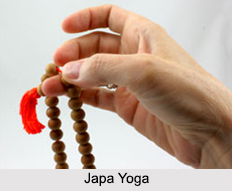
 Japa Yoga or Japa Meditation refers to a particular form of yoga, where reciting a specific mantra whilst concentrating is the basic crux. The word ‘Japa’ is a Sanskrit term which means to utter in low voice or internally mutter. Japa Yoga or Japa Meditation refers to a particular form of yoga, where reciting a specific mantra whilst concentrating is the basic crux. The word ‘Japa’ is a Sanskrit term which means to utter in low voice or internally mutter.
While Japa is the repetition of mantra, Dhyana is meditation of the Lord with all its attributes. Meditation or Dhyana can be therefore combined and can be done with Japa and meditation (Japa-Sahita- Dhyana). Although Japa can be combined with meditation but Dhyana can be done without Japa (Japa- Sahita- Dhyana). Types of Japa Yoga Japa is an important limb of Yoga. There are two kinds of Japa yoga, one is written Japa Yoga and another one is Japa done by recitation of the Mantra. This particular attribute of Japa further makes Japa Yoga a distinct form of meditation. Benefits of Japa Yoga Practice of Japa Yoga can give eternal peace, bliss and immortality. It ultimately results in ‘Samadhi’ or spiritual union with God. Japa facilitates concentration, as it is the repetition of any mantra or the name of a particular Lord. Japa is an important part of Yoga and is the spiritual food for a hungry soul. Japa can be performed while sitting in a meditation posture or as a part of a formal worship in groups. Method of Japa Yoga Japa can be done verbally or mentally. In most forms of Japa Yoga, the repetitions are done using a ‘Japa Mala’, which is actually a string of beads. In Hinduism, Vaishnava devotees use beads made from Tulsi plant while Shaivites use Rudraksha Mala. There are 108 beads in a Japa Mala. The aim of Japa Yoga varies depending on the mantra involved and the religious beliefs of the practitioner. Mantras for Japa Yoga The popular Japa mantras for Japa Yoga are, This article is a stub. You can enrich by adding more information to it. Send your Write Up to content@indianetzone.com |
| |||



Japa Yoga
| Japa Yoga is a typical form of meditation where the recitation of a Mantra with the name of a particular God helps. |
| ||||||||||||||||||||||||||||

