


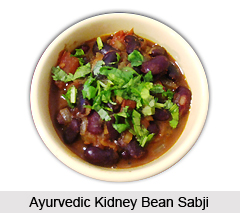
 Ayurvedic kidney bean sabji is a mouth-watering nutritious dish which can be consumed with rice or roti. The main ingredient of this recipe which is kidney bean is a good source of protein. Also, it contains fibre and is cholesterol-free. Other ingredients for preparing this recipe comprise of ginger, garlic cloves, coconut, coriander leaves, and ajwain to name a few. This delicious ayurvedic recipe can easily be cooked at home. Ayurvedic kidney bean sabji is a mouth-watering nutritious dish which can be consumed with rice or roti. The main ingredient of this recipe which is kidney bean is a good source of protein. Also, it contains fibre and is cholesterol-free. Other ingredients for preparing this recipe comprise of ginger, garlic cloves, coconut, coriander leaves, and ajwain to name a few. This delicious ayurvedic recipe can easily be cooked at home.
Ingredients of Ayurvedic Kidney Bean Sabji Method of Preparing Ayurvedic Kidney Bean Sabji To prepare this dish firstly, kidney beans have to be soaked overnight in warm water. Then wash them twice and drain the water. Add four cups of water and the beans to a soup pot and cook over medium heat uncovered for nearly thirty minutes. Add nearly two cups of water and continue cooking uncovered for nearly thirty minutes until the beans soften. Make a liquid paste using ginger, garlic, coconut and coriander along with half cup of water. Heat a medium size saucepan and when hot add oil, mustard seeds, cumin seeds, hing and curry leaves. When the seeds pop, pour the blended mixture followed by ajwain, masala powder, turmeric and salt. Cook and stir for a minute, until slightly brown. Add the beans and some water to the spices. Mix them well. The ayurvedic kidney bean sabji can be thick or with gravy and therefore depending on this boil for the required time. Before serving, garnish with coriander leaves and coconut. Benefits of Ayurvedic Kidney Bean Sabji Ayurvedic kidney bean sabji is tridoshic which means it balances all the doshas. Pitta prakriti person should use very less garlic and can cook even without garlic. Kapha parkriti people should use it in moderation and the hing, ajwain, garlic helps the Vata and the Kapha dosha to digest the beans. |
| |||



Home > Health > Ayurveda > Ayurvedic Recipes > Ayurvedic Vegetable Curries > Ayurvedic Kidney Bean Sabji
Ayurvedic Kidney Bean Sabji
| Ayurvedic kidney bean sabji is a mouth-watering nutritious dish which balances all the doshas. |
| ||||||||||||||||||||||||||||

