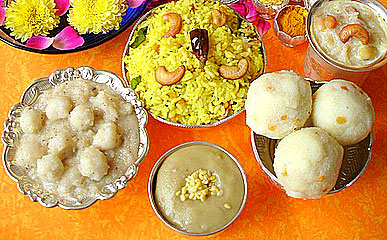
There are several popular and reputed confectioneries in Calcutta and there is an immense variety of dry sweets and `Sandesh`. But the `Sandesh` of Nakud, stands out prominently from the rest because of their unique delicacy. Nakud and his `Sandesh` are synonymous. They bear a rich tradition of exquisite dry Sandesh since the last 150 years. Nakud`s shop is a source of delight to the connoisseurs of sweets because of its range, variety and superior quality. Nakud specializes in `Ice Cream Sandesh` during summer and `Nalenguder Sandesh` (sandesh prepared with jaggery made of date palms). Apart from these seasonal sweets, there are also `Pink Perra Sandesh`, `Jal Bhara Tal Sandesh`, `Ras Bhara Babu Sandesh`, `Abar Khabo`, `Kasturi Sandesh` etc., which are available to suit the palates of all gourmets at all times of the year. Names might vary but their rudimental ingredient is the same i.e. casein or `Chhana`, `Nakud` does not indulge in any other categories of sweets. `Nakud` and `Sandesh` are inextricably intertwined with each other.
Another notable confectioner, Girish Chandra was Nakud Chandra`s father-in-law. He hailed to Calcutta from Hooghly in 1844 and opened a sweetshop in `Shimla Para` in a short while. But his tenacity mingled with dexterity, soon led to a wide-scale popularity of the humble shop. He had mastered the art of making `Sandesh` and this was the beginning of a placid journey towards a towering success in the ensuing period.
It is indeed remarkable that `Nakud` is still so popular and admired by all, despite the fact that it has no branches and no variety to speak of since inception. It has always focused on its `Sandesh` as its forte. To this day, `Nakud` is always eager to enhance the taste of its wide range of Sandesh and make them more palatable. This is what makes it so different and unique.