


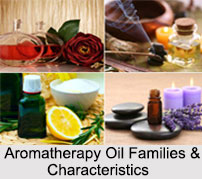
 Aromatherapy oils have been used for the medicinal values. Attention in essential oils has revived in recent decades with the popularity of aromatherapy, a branch of alternative medicine. Aromatherapy claims that essential oils and other aromatic compounds with natural essence have curative effects. Aromatherapy oils are volatilized or diluted in carrier oil and used in massage, diffused in the air by a nebulizer, heated over a candle flame, or burned as rile. Aromatherapy oils have been used for the medicinal values. Attention in essential oils has revived in recent decades with the popularity of aromatherapy, a branch of alternative medicine. Aromatherapy claims that essential oils and other aromatic compounds with natural essence have curative effects. Aromatherapy oils are volatilized or diluted in carrier oil and used in massage, diffused in the air by a nebulizer, heated over a candle flame, or burned as rile.
Essential oils are the Life force of the plant. Just like the plant characteristics are inherited from the plant families, the oil characteristics will follow the common properties representative of their plant families. By knowing the plant family to which, the oil belongs to, one can better understand its basic nature, properties and effects. Listed below are ten families which happen to include 60 major plants that are used in making essential oils. 1. Burseraceae (Resin Family)- These are the essence of the desert shrubs and trees. Frankincense, Myrrh and all the oils from this family are excellent for meditation. Coming from the tropical desert, they bring heat, contain energy to move fluids, cleanse infection, heal wounds and build strength in the blood. 2. Composite (Sunflower Family) - Chamomile, Immortelle, Tansy, Tarragon, Dhavana and Yarrow - most of these oils are made from soothing flowers and are known to be healers of the skin, nerves, blood and bones. Sedating to the nerves and emotions, they are known as anti-inflammatory, immune builders and cleansers. 3. Coniferae-Pinaceae (Pine Family) - Fir, Cedarwood, Cypress, Juniper, Pine and Amber oils are made from the strong aromatic wood, sap or fresh needles. They are all strong, hot, antiseptic, fluid-moving, possible skin irritants, clarifying and grounding to the mind. 4. Graminae (Grass Family) - Citronella, Lemongrass, Palmarosa, Vetiver; all these strong aromatic grasses are uplifting, grounding, diuretic, immune and endocrine builders. Just as grasses (grains) are the basis of diet, the grass oils give the basic notes for blending. 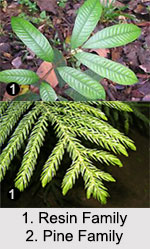
5. Labiatae (Mint Family) - Basil, Clarysage, Hyssop, Lavender, Lemon Balm, Marjoram, Patchouli, Pennyroyal, Peppermint, Rosemary, Sage, Savory, Thyme; all of the mint family are all medicinal plants with properties like aromatics, carminatives, immune stimulants, balancers and mood elevators. 6. Lauracea (Laurel Family) - Cassia, Bay, Camphor, Cinnamon, Rosewood; all these trees produce oils from their wood, bark and leaves that are stimulating, bring fire, fluid movement and create energy enhancement. 7. Myrtaceae (Myrtle Family) - Cajuput, Clove, Eucalyptus, Myrtle, Niaouli, Nutmeg and Tea tree trees are so strong that they have no natural enemies. These oils give one the inner strength. They are anti-inflammatory, antiseptic, respiratory tract beneficent and immune stimulants. In blends they are clean, refreshing and medicinal. 8. Rutacea (Citrus Family) - Bergamot, Grapefruit, Lemon, Lime, Mandarin, Neroli, Orange, Petitgrain and Tangerine; belong to a family known for its fruit and flowers. In blends they are clean and refreshing, uplifting, invigorating, opening, warm, fluid moving, stimulating and encouraging. 9. Umbelliferae (Carrot Family) - Angelica, Galbanum, Anise, Caraway, Carrot Seed, Coriander, Cumin, Dill, Fennel and Parsley are rival to the mint family in healing properties. They characteristically reach out with flowers and foliage to embrace the sun and air elements. They are carminative, rejuvenative, stimulant, tonic, regulators of hormones and useful in skin care. 10. Zingibcraceae (Ginger Family) - Carilamon, Turmeric, Ginger; these spicy roots bring the fire and earth elements to a person. They are grounded or heated for use as digestive and stimulants. Aromatherapy Oil is a form of substitute material for treatment in which healing effects are ascribed to the aromatic compounds in essential oils and other plant extracts. Many common essential oils have medicinal properties that have been applied in folk medicine since ancient times in India. |
| |||



Aromatherapy Oil Families & Characteristics
| Aromatherapy oils are the volatile aroma compounds with odour extracted from various plants. These oils belong to a distinctive family and characteristically have medicinal properties for several ailments. |
| ||||||||||||||||||||||||||||

