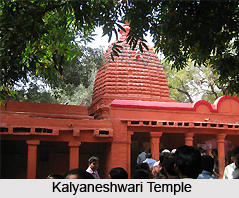
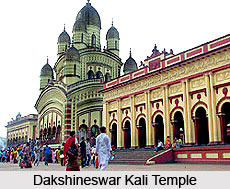
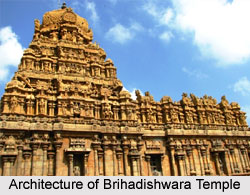
 Temples of Goa are also known as Deul or Sausthan. These temples are mainly known for their unique architecture, which is a mixture of Nagari, Islamic and Portuguese architecture. The original Hindu temples of Goa were demolished by the Portuguese who shifted the original deities to new places. Usually the temples are divided into five sections which include Sabhamantapa, Antarala, Chowk, Garbhagriha and Sarvalli or Pradakshina Marg. While all the original temples were destroyed by the Portuguese, the temples which exist at present exhibit the Islamic, Nagari and Portuguese architecture. These temples look like either a church or a mosque or simply like a palace instead of usual Hindu temples.
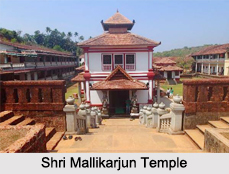
Shri Mallikarjun Temple
Shri Mallikarjun Temple exists in Shristhal village in Canacona taluka of South Goa. It is believed that Lord Shiva united with Goddess Parvati after a long period of separation where this temple is situated. Devotees visit this temple to worship Lord Mallikarjun, who is regarded as an incarnation of Lord Shiva. This temple dates back to the 16th century. The noteworthy aspects of this temple are its architectural design, murals, carved wooden pillars, carved silhouettes of dwarpals (doorkeeper) and scenes from the Puranas and Mahabharata.
Shri Saptakoteshwar Temple
Shri Saptakoteshwar Temple is housed in Narve in Bicholim taluka of North Goa. This temple is dedicated to Lord Saptakeshwar, an incarnation of Lord Shiva. This temple is believed to have been built around 13th or 14th century. A plethora of devotees visit this temple during Gokulashtami festival or Mahashivaratri.
Shri Mangueshi Temple
Shri Mangueshi Temple is situated in Mangeshi village in Priol in Ponda taluk of Goa. The primary deity of this temple is Manguesh, an incarnation of Lord Shiva. Lord Manguesh is represented in this temple in the form of Shiva Linga. It is regarded as one of the largest and frequently visited temples in Goa. The annual festivals celebrated in this temple are Rama Navami, Akshaya Tritiya, Anant Vritotsava, Navaratri, Dussera, Diwali, Magha Poornima Festival (Jatrotsav) and Mahashivratri.
Mahadev Temple
Near a small village called Tambdi Surla a temple called the Mahadev Temple is situated. Devotees visit this temple to worship Lord Mahadeva. This 12th-century Shaivite temple was established by Hemadri, who is recognized as the minister of the Yadava King, Ramachandra. Mahadev Temple is regarded as the only existing temple of Kadamba-Yadava style of architecture in Goa. This temple is made up of basalt stone.
Vimaleshwar Temple
Vimaleshwar Temple is situated in Rivona village of Sanguem taluka of Goa. This temple is devoted to Vimaleshwar, an aspect of Lord Shiva. Lord Vimaleshwar is represented in this temple in the form of Shiva Linga. The Shiva Linga is called the Swayambhu Shivlinga. The mahajans of this temple are Prabhu Dessai family of Rivona (GSBs) and the Daivajna Brahmins with surname `Rivonkar` or `Revankar`.
Shri Chandranath Temple
Shri Chandranath Temple is located on top of the Chandranath Hill. This temple is dedicated to Lord Shiva, also called Bhuthnath or Chandreshwar. Lord Chandreshwar is known to be the "Kul-Dev" (ancestral God) of Bhoja dynasty, which ruled south Goa till the middle of 8th century. This temple is known by the other name of Chandreshwar Temple.
Shri Vitthal Mandir
Shri Vitthal Mandir was established amidst the lush green areas on the banks of river Valvanta in Sanquelim. This temple is visited by devotees to worship Shri Vitthal, an incarnation of Lord Vishnu. Shri Vitthal is the ancestral lord of a community called `Rane`. The Rane community is credited with the establishment of this Mandir. Some of the noteworthy aspects of this temple are the intricately carved wooden chariot of Arjuna in Mahabharata driven by Lord Krishna, idols of the temple and its architecture. The festival of Chaitri is celebrated in this temple in the month of April.
Shri Mahalaxmi Temple
Shri Mahalaxmi Temple is located in Panaji, the capital city of Goa. This temple is dedicated to goddess Mahalaxmi. It is regarded as the first Hindu temple constructed in Goa after the Portuguese invasion. In the year 1818 Shri Mahalaxmi Temple was approved for construction and in the year 1983 it was last renovated. The Maruti Jatra festival is celebrated in this temple during January-February.
Shri Mahalsa Temple
Shri Mahalsa Temple bedecks a place called Mardol in Ponda. This temple is devoted to Goddess Mahalsa, an incarnation of Lord Vishnu. The noteworthy aspect of this temple is the six-storied ornamental lamp pillar called "deepstambha". This stambha has a height of about 40 feet and has 21 rings of 150 small lamps. Jatra, Jaiyanchi Puja and Kojagiri Pornima are the festivals celebrated in this temple.
Shanta Durga Temple Complex
The large Complex of Shri Shantadurga Temple is situated about 33 km (21 mi) from Panaji at the foothill of Kavalem village in Ponda taluka. Shantadurga, the Kuldevi or family deity of many Goud Saraswat Brahmans is worshipped in this temple. This temple was established in the 16th century. Major festivals celebrated in this temple are Magh Shuddha Panchmi (Jatrautsav) and Navaratri.
Shri Devaki Krishna Ravalnath Temple
Shri Devaki Krishna Ravalnath Temple is situated in Ponda. This temple is regarded as the only temple in India where Lord Krishna is worshipped with Devaki as "Devaki-Krishna".
Shri Kalikadevi Temple
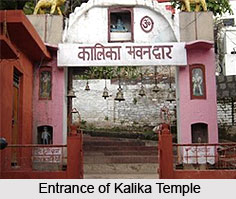
The small town of Kansarpal serves as a home to Shri Kalikadevi Temple. This Temple is devoted to Goddess Kali.
Other Temples of Goa
Some of the other temples of Goa are Shri Naguesh Temple, Shri Gomanteshwar Devasthan Brahmapur,
Shri Kamakshi Saunsthan Shiroda Temple, Shri Navdurga Saunsthan, Shri Ramnath Temple, Shri Devi Sharvani, Shri Saunsthan Gokarn Partagali Jeevolam Math and Shri Saunsthan Gondpaddchaiya Kavie Math.