


 The state of Madhya Pradesh is located in central India. This ‘Central Province’ is the second-largest state in India by area (308,245 square kilometers) and the fifth-largest state in the country by population (over 75 million inhabitants). The geographical terrain of this state is characterized by a plateau streaked with the hill ranges of the Vindhyas and the Satpuras, rivers, lakes and dense forests. The natural beauty of Madhya Pradesh, along with world heritage sites, several cities, hill stations, national parks, etc draw tourists to this state. Temples of Madhya Pradesh are no exception in this regard. They also serve as spots that have the potential to catch the attention of tourists visiting this state. The state of Madhya Pradesh is located in central India. This ‘Central Province’ is the second-largest state in India by area (308,245 square kilometers) and the fifth-largest state in the country by population (over 75 million inhabitants). The geographical terrain of this state is characterized by a plateau streaked with the hill ranges of the Vindhyas and the Satpuras, rivers, lakes and dense forests. The natural beauty of Madhya Pradesh, along with world heritage sites, several cities, hill stations, national parks, etc draw tourists to this state. Temples of Madhya Pradesh are no exception in this regard. They also serve as spots that have the potential to catch the attention of tourists visiting this state.
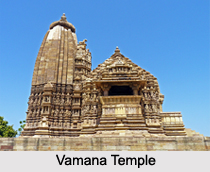
Mahakaleshwar Jyotirlinga Mahakaleshwar Jyotirlinga is located in the ancient city of Ujjain. This Hindu temple is dedicated to Lord Shiva and is one of the twelve Jyotirlingams (most sacred abodes of Lord Shiva) in India. Mahashivratri is an important festival celebrated in this temple. Lakshmana Temple Lakshmana Temple is located in the small village of Khajuraho in the district of Chattarpur. This Hindu temple is dedicated to a form of Vishnu called Vaikuntha Vishnu and houses a tri-headed four-armed sculpture of this deity. This temple is a fine representation of Hindu temple architecture. The temple complex stands on a high platform and has an ardh-mandapa (entrance porch), mandapa, maha-mandapa, antarala and garbhagriha. Chaturbhuj Temple Chaturbhuj Temple is located in the town of Orccha. Currently, an image of Radha Krishna is worshiped in this temple. This temple was built in the 16th century by the rulers of the Orccha state called Bundela Rajputs. The Ram Raja Trust is recognized as the managing body of this temple. The State Archaeology Department is responsible for the conservation of the temple structure. Annapurna Temple Annapurna Temple is situated in Indore and is one of its famous pilgrimage sites. This Hindu temple is dedicated to goddess Annapurna. Architecturally, this temple is similar to the famous Meenakshi Temple of Madurai. It has three shrines of Shiva, Hanuman and Kalabhairava and the famous Pravachan Hall. Vamana Temple Vamana Temple is situated in the eastern area of Khajuraho in the district of Chattarpur. This temple is dedicated to Vamana, an avatar of Vishnu. It is divided into a sanctum, vestibule, maha-mandapa and an entrance-porch. It is a part of the Khajuraho Group of Monuments, which is a world heritage site. Other Temples of Madhya Pradesh Kakanmath Temple, Shri Pashupatinath Temple, Kandariya Mahadev Temple, Ekattarso Mahadeva Temple, Baglamukhi Temple, Chausath Yogini Temple are some of the other temples of Madhya Pradesh. |
| |||



Madhya Pradesh Temples
| Madhya Pradesh Temples serve as spots that have the potential to catch the attention of tourists visiting this state. |
| ||||||||||||||||||||||||||||

