


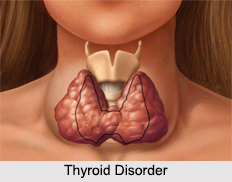
 Thyroid disorder is a female medical condition that affects the function of the thyroid gland. Thyroid is a gland located in the endocrine system of one’s body. It is a small gland with the shape of a butterfly and is found in the middle of the lower neck, below the thyroid cartilage. Thyroid controls the metabolism of the body that includes the speed of the body burning energy, making proteins, etc. It also controls how sensitive the body should be to other hormones. Thyroid disorder is a female medical condition that affects the function of the thyroid gland. Thyroid is a gland located in the endocrine system of one’s body. It is a small gland with the shape of a butterfly and is found in the middle of the lower neck, below the thyroid cartilage. Thyroid controls the metabolism of the body that includes the speed of the body burning energy, making proteins, etc. It also controls how sensitive the body should be to other hormones.
Types of Thyroid Disorder There are two common thyroid problems found in human called as the Hyperthyroidism (overactive thyroid) and Hypothyroidism (underactive thyroid). The middle aged women usually have the highest risk of developing thyroid disorder. They may get affected if they are over worked and do not get any relaxation, either at the menopause or thereafter, or if there is any extra physical strain. Apart from these two, Goitre is also a thyroid disorder which is usually a harmless swelling of the thyroid gland and Thyroid cancer being the deadly one. Causes of Thyroid Disorder The thyroid disorder may be caused by several factors. The main cause of Hyperthyroidism is excessive production of thyroid hormone. This excessive amount of thyroid hormone is produced by the overactive gland and it eventually raises the metabolic rate of the body. Hyperthyroidism may also result from the withering or atrophy of the thyroid gland and is considered as a serious condition of the body. Thyroid disorder may be caused due to some pituitary deficiency and inborn disparity of the thyroid gland. Apart from these, physical or emotional stress, heredity, wrong feeding habits over a long period or improper lifestyle, etc. are considered as potential causes of thyroid disorder as well. 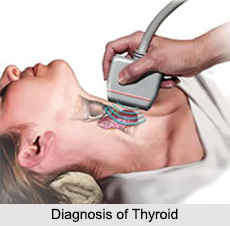
Symptoms of Thyroid Disorder Thyroid disorder can be identified through various signs and symptoms. In case of hypothyroidism, the main symptom is decrease of the basal metabolism below normal level. In this case, the patient tends to be slow in his movements and also becomes susceptible to cold, constipation and puts on weight. Sometimes, the patient may have dry, scaly and thickened hair and feel puffiness in the face. The patient’s pulse may also run slow and he may often complain of pains in the back and stiffness in the joints. Generally, a person suffering from thyroid disorder is nervous, weak, sensitive to heat and sweats frequently. The person is also over active, as the heart gets enlarged. The other symptoms of thyroid disorder include a slight tremor in the fingers, palpitation of the heart, bulging of the eyes, passing excessive quantity of urine, rapid and irregular pulse rate, etc. Treatment of Thyroid Disorder Thyroid disorders are treated following various alternative medicinal methods. The traditional medicines like Ayurveda, Homoeopathy, Naturopathy, etc. provides effective curative procedures for thyroid disorder. The Naturopathic treatment of thyroid disorder includes certain dietary restrictions and lifestyle changes. Apart from these, various Yoga Asanas are also proved to be effective in treatment of thyroid disorder. However, though the thyroid disorder can be treated following different alternative medicinal methods, it is better to take preventive actions. If a person checks his daily diet and maintains a proper lifestyle, the thyroid disorder can easily be kept away. |
| |||



Thyroid Disorder
| Thyroid disorder is a common problem that can cause symptoms because of over or under-function of the thyroid gland. |
| ||||||||||||||||||||||||||||

