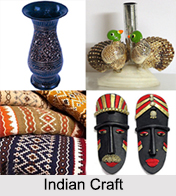
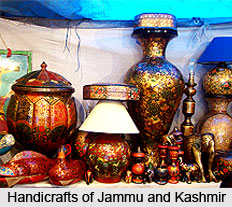
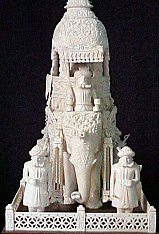
In India stone craft is practiced through exquisite figures that are carved in relief with details engraved in fine lines and intricate works. These objects are handmade artistic work made using hammer and chisels. In ancient times, stone carving was used for making small weapons like arrowheads, javelin points, hammer etc. Excavations reveal carving of stone figures that are approximately 3000 years old.
Ancient Stone Sculptures in India
Ancient tradition in stone carving in Bihar is proved by the magnificent sculpture of the Mauryan period. They had a technique of high polish which can still be seen in the Ashoka pillar at Sarnath, the beautiful black stone with a touch of green in it that surprises one with its luster.
The temples at Belur and Halebid are the more exquisite specimens of Hoysala architecture and are unrivalled for their beauty. The 57 ft. Jain statue of Gomatesvara at Sravanabelgola, standing on the summit of a rocky hill which rises to 400 feet, is a remarkable example of Indian stone sculpture.
The temple carvings of south India are profusely strewn with their figures. In the famous Mahabalipuram, carving are arresting figure of Arjuna standing on the traditional penance pose an one leg, one of two cots hunting pigeons. Then there is the comic figure of a stag scratching its nose with its hind leg. A buffalo chewing the kud is so alive as to seem the mouth is moving. So even creatures like the pig, the duck, the monitor lizard, the fowl, the spider, all rub shoulders with the mighty elephant, the lion and horse.
Types of Stone Craft in Indian States
 Rajasthan may be called the land of marble. The comparative scarcity of wood and the easy abundance of stone have led to concentration on the latter. Here, the silvats are stone - cutters who are especially engaged in making grinding stone. Makrana in Nagaur district is the major source of its marble. Jaisalmer city is a dream in stone, rising out of a desert and Jaipur holds the pride of place for availability of marble articles. Known for marble idols in many temples in North-India, Khazane-walon-ka-rasta in Jaipur is the centre for this flourishing craft.
Carving is a major handicraft of Odisha. The art of stone carving in Odisha had reached dizzy heights of excellence perfected through centuries of disciplined efforts of artisans. The progeny of these artisans who built the magnificent temples of Parsurameswar, Mukteswar, Lingaraj, Puri and that wonder in stone, the Sun God at Konark, besides the beautiful stupas and monasteries of Lalitgiri, Ratnagiri and Udayagiri have kept alive the sculptural traditions of their forefathers.
Jali art on Stones
Jali work is quite distinctive. A significant variety is made with yellow lime stone, others with coloured white marble. Some of the work is in filigree, fretted marble or sandstone. Sculpting is a live art in Rajasthan and Hindu deities made in white marble and sometimes glided over are popular.
Sculpture on green soft stone
Balaghat in Madhya Pradesh has green soft stone from which the local carvers make a number of small items, animals, boxes, trays etc. But the important products are the religious images.
Sculpture on Black soft stone Patharkatti in Gaya district is the most noted stone ware centre of Bihar and includes some regions of Jharkhand at present. The place has the less expensive blue back pot stone from which images and household articles like the pestle, the mortal kharal (medicine grinder) etc. are made. Buddhist icons are a specialty. Chandil and Karaikalla in Singhbum district and Dumka in Santhal parganas work in beautifully grained greenish black soap stone.
 Procedure of making Stone products
The crafts person while working on the sajjar pathar first studies the natural design. The shaping is done thereafter very carefully with chisel and hammers. Water is sprinkled repeatedly to avoid heat generation. The stone is smoothened by rubbing with sand papers or file.
Techniques of Stone Sculpture
Dimensions of the figure to be manufactured are marked on a stone slab. Extra edges are removed from the slab by beating with a hammer. Big pieces of stones are cut vertically into smaller slabs, and rough sketches are made on it. The article is taken out from the slab with the aid of a saw. This slab is now converted in the form of the desired figure with a hammer and a chisel. Minor carvings are done by pointed chisel. Before carving the stone is kept in boiling water overnight and treated chemically. This smoothens and whitens the surface of the stone. Polishing is done for the final finishing with sand or carborundum pieces. Several of the carved artifacts are painted.
In carving an image, the stone carver sketches a rough outline of the sculpture on the stone - block. The craftsmen then sprinkle water on the stone during the course of their work because of the friction generated due to the constant chiselling away of the unwanted material that result in the tools heating up. Finishing is accomplished in a variety of ways. An outline is drawn on hard or soft stone which is already cut to the appropriate size. Once the outline is incised indicating the shape, the final figure is brought out by removing the unwanted portions.