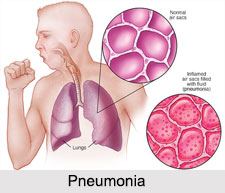
 Pneumonia is an infection that inflicts the lungs. It is a respiratory condition and often spreads from one lung to the other. It involves the tiny air sacs called "Alveoli" which are located at the tip of the body"s smallest breathing tubes, called the "Bronchi". These alveoli are responsible for passing oxygen into the blood. Pneumonia is an inflammation of the lung which is caused by a variety of infection of the micro-organisms such as bacteria, viruses, or fungi and parasites.
Pneumonia usually attacks the defence system of the person when it is weakened. Pneumonia is most often considered to be a simple viral upper respiratory tract infection or a case of influenza. It is one of the most serious infectious diseases.
Types of Pneumonia
Lobar Pneumonia and Bronchial Pneumonia are the two basic types of pneumonia, but they both are treated in the same way. If both the lungs are affected, the disease becomes more serious and is called Double Pneumonia.
Causes of Pneumonia
 The major causes of pneumonia are the infection from various types of viruses and bacteria. The microorganism such as Streptococcus, Staphylococcus and Pneumococcus cause Pneumonia. Other causes of this disease include fungal infection, inhaling foreign matter, irritant dust or noxious gases and vapours such as ammonia, nitrogen dioxide or cadmium. However, the actual cause of pneumonia is the toxic condition of the body, especially of the lungs and air passages that results from faulty eating and life style.
Symptoms of Pneumonia
Symptoms of Pneumonia can be identified when a person suffers from coldness in the head or the throat. He also starts shivering, has difficulty in breathing, has sharp pain in the chest, followed by a cough with pinkish sputum, which may later become brownish. However, in the severe cases, the sputum may turn into rusty colour. Fever and headache are also very common symptoms. The disease may cause delirium and convulsions in young children. Most patients feel very miserable and sweat profusely. The temperature may rise to 105 Fahrenheit and pulse may go up to 150 beats per minute.
Diagnosis of Pneumonia
A doctor can often diagnose pneumonia based on the symptoms and by examining the chest. Pneumonia can be diagnosed on the basis of investigations such as chest X-ray, blood tests, pulse oximetry and Sputum test.
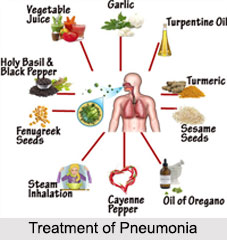
Treatment of Pneumonia
Treatment of Pneumonia consists of oral antibiotics, rest, fluids and home care. The main treatment for pneumonia is antibiotics, along with rest and drinking plenty of water. Nature cure, fresh fruit diet, homeopathy as well as Ayurveda are beneficial for the treatment of Pneumonia.