


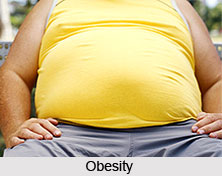
 Addressing the problem of obesity, it has gained immense importance to achieve healthy life. Obesity is reckoned as a disease in which excess body fat is cumulated to such an extent where it affects the health of an individual. Obesity is measured by a calculation of Body Mass Index (square of the weight in kg divided by height in cm). A person with BMI of upto 25 is considered ‘Normal’, 25 to 29.9 are considered ‘Overweight’, 30 to 34.9 are considered ‘Obese’ and 35 to 39.9 are considered ‘Severely Obese’. BMI above 40 is considered morbid obesity. Addressing the problem of obesity, it has gained immense importance to achieve healthy life. Obesity is reckoned as a disease in which excess body fat is cumulated to such an extent where it affects the health of an individual. Obesity is measured by a calculation of Body Mass Index (square of the weight in kg divided by height in cm). A person with BMI of upto 25 is considered ‘Normal’, 25 to 29.9 are considered ‘Overweight’, 30 to 34.9 are considered ‘Obese’ and 35 to 39.9 are considered ‘Severely Obese’. BMI above 40 is considered morbid obesity.
Undoubtedly, overeating is held as a primary cause of obesity. Eating habit, eating more food than necessary and certainly consuming foods, which are high in calories, are said to be the reasons of obesity. Modern research shows that even the amount of times one eats in a day has the capability to influence obesity. Addressing obesity is therefore the need of the hour. Facts on Obesity Some of the facts related to Obesity are as follows: 
Problems Caused By Obesity Obesity does not just hamper the aesthetic appeal of an individual but also affects the health negatively. 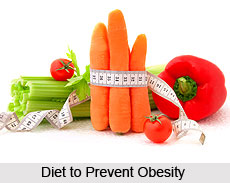 Obesity is a problem. Almost all people who are obese can be cured of it, what it requires is the will power to shed off those extra pounds. Termed as Intentional Weight Loss, this helps in addressing this growing problem of obesity. Intentional weight loss refers to the loss of total body mass in an effort to improve fitness, health and/or appearance. It is different from weight loss due to medical conditions. Obesity is a problem. Almost all people who are obese can be cured of it, what it requires is the will power to shed off those extra pounds. Termed as Intentional Weight Loss, this helps in addressing this growing problem of obesity. Intentional weight loss refers to the loss of total body mass in an effort to improve fitness, health and/or appearance. It is different from weight loss due to medical conditions.
Tips to achieve Healthy Weight Loss Following a weight loss plan that is tailored to individual requirements helps in shedding off weight. Some of the useful tips are given below: Apart from the above-mentioned procedure, there are several surgical options available if a person tries and fails to lose his or her excess weight. Plastic and Cosmetic Surgery such as liposuction is a method to reduce the fat in specific areas of the body. It is usually safe and effective in short term; however, long term results are disappointing Obesity Surgery (also called bariatric surgery or metabolic surgery): Bariatric or Metabolic surgery artificially reduces the size of the stomach, limiting the intake of food energy and also brings about hormonal changes resulting in cure of diabetes mellitus. It is usually done for morbidly obese individuals in whom all other measures have failed. It is reasonably safe and highly effective, with 60 to 70 percent excess weight being lost permanently and usually complete reversal of associated medical problems. Procedures can be grouped as: a) Predominantly Malabsorptive Procedures: although also reducing stomach size, these operations are based mainly on malabsorption. These include Biliopancreatic Diversion, Jejuno-ileal bypass etc. 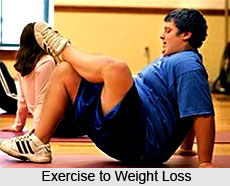
b) Predominantly Restrictive Procedures: this kind of surgery primarily reduces stomach size such as Laparoscopic Adjustable Gastric Banding (LAGB), Sleeve Gastrectomy, Gastric bypass, Sleeve gastrectomy with Duodenal Switch etc. c) Intragastric Balloon Placement by Endoscopy: The Intragastric Balloon placement is rapidly increasing as a feasible option in patients unwilling or unfit for surgery. An individual can rapidly lose from 20 to 30kg within a short span of six months by this treatment. It is safe, well tolerated and usually done on day-care basis. The balloon is placed into the stomach through endoscopy. Once the balloon is inside the stomach, it is immediately filled with sterile saline through a small filling tube (catheter) attached to the balloon. In conjunction with a supervised diet and modified lifestyle, it can help the patient achieve the benefits associated with weight loss. All modalities of the treatment of obesity require consistent efforts on the part of the patient. "A healthy country is built on its healthy citizens and we must all strive to work towards a fit society by regular exercise and judicious diet management to reverse the pandemic of obesity. " |
| |||



Obesity Disorder
| Obesity refers to being "over-weight" and it is a disease in itself that breeds a number of other oilier diseases. |
| ||||||||||||||||||||||||||||

