Meditation for Women
|
Meditation provides women with an inner sense of clarity and calm, which may help ward off certain illness.
|
|
|
 Meditation for women is essential as women tend to be more susceptible to mood swings due to hormonal changes. Meditation can be termed as the "exercise for the mind" which unarguably transcends all the barriers of culture, religion, country. In the recent times, women have become more prone to stress and anxiety. In addition to that women are responsible for balancing professional and personal life. All these have affected women in general. These shades of a women life can be controlled with the proper and effective meditation as women experience different pressure, mental and physical stress, in various ways. Therefore, it is advisable for women to perform meditation to keep her strong and going.
Meditation for women is extremely vital as the process helps in gaining a refreshing, rejuvenating rest. The practise can relieve stress and promote good health. Meditation intensifies the vital energy of the body, transmutes depression and enhances the creativity and ones relationships. Meditation can help to resolve the deepest of neuroses, fears and conflict, which play their part in causing stress and ill health. On the other hand meditation is extremely beneficial for women as it affects woman’s health and pregnancy.
Benefits of Meditation for Women
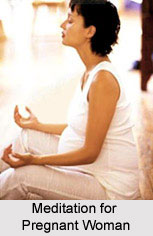 Meditation for women proceeds with the objective of increasing awareness and releasing stress which is habitually used to free one’s mind of all thoughts and attain peace of mind. Benefits of meditation on women relate answer to all gynaecological problems. Furthermore, mediation can also ease physical complaints such as Pre-Menstrual Syndrome (PMS), tension, headaches and other common health problems affecting women. Meditation for women proceeds with the objective of increasing awareness and releasing stress which is habitually used to free one’s mind of all thoughts and attain peace of mind. Benefits of meditation on women relate answer to all gynaecological problems. Furthermore, mediation can also ease physical complaints such as Pre-Menstrual Syndrome (PMS), tension, headaches and other common health problems affecting women.
Daily meditation lessens the body aches experienced during the pre-menstrual stage. Regular meditation decreases muscle tension as well as headaches, giving an instant relief to the body. Anxiety and mood swings in the women who reach their menopause stage also find meditation helpful. Meditation reduces anxiety attacks by lowering the levels of blood lactate. It increases serotonin production, which influences mood and behaviour. Low levels of serotonin are associated with depression, obesity, insomnia and headaches.
Meditation can relieve the hectic role-switching of the contemporary working women. Since time immemorial, different religions have tried to find the meaning of life through meditation. Thus, considerably, meditation is a great way to promote and reassert ones physical and mental well being.
|
|
|
|





