


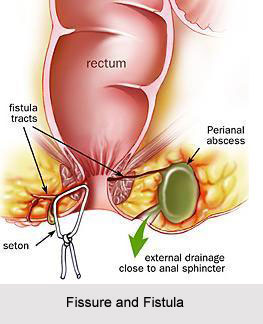
 Fissure and Fistula are two of the major anorectal problems of humans. These problems arise from inappropriate eating habits and bad lifestyles. Fissure is actually an unnatural crack or opening in the skin of the anal canal, while fistula is described in medicine as an abnormal connection or passageway between two epithelium-lined organs or vessels that normally do not connect. In case of acute fissures, severe periodic pain may be felt after defecation. However, the force of fissures pain reduces with chronic fissures. Anal fissures generally expand from anal opening and are usually positioned posterior in the midline. Its depth can be sometimes superficial or down to the original sphincter muscle. Fissure and Fistula are two of the major anorectal problems of humans. These problems arise from inappropriate eating habits and bad lifestyles. Fissure is actually an unnatural crack or opening in the skin of the anal canal, while fistula is described in medicine as an abnormal connection or passageway between two epithelium-lined organs or vessels that normally do not connect. In case of acute fissures, severe periodic pain may be felt after defecation. However, the force of fissures pain reduces with chronic fissures. Anal fissures generally expand from anal opening and are usually positioned posterior in the midline. Its depth can be sometimes superficial or down to the original sphincter muscle.
On the other hand, the fistula is a form of bodily cavity that burrows under the skin or mucous membrane and has an opening at both ends. A fistula may lead from one cavity to the other cavity of the body, or else it may open out from one cavity to the surface of the body. A fistula is basically like a cut in or around the anal channel and mucus membrane. Further, it mostly sprains while passing stool during severe constipation or chronic dysentery. However, modification in food and work habits can help preventing both fissure and fistula. Causes of Fissure and Fistula Anal fissure is caused for various reasons. The main cause of anal fissure is the lack of a balanced diet and undisciplined lifestyle. Fissure can build up due to some injuries in the anal tissue or for putting higher than usual pressure in anal sphincters. Many women can develop an anal fissure while giving birth. Various health situations like that of deficiency of Vitamin B-6, fever, a suppressed immune system, weight loss, abdominal pain, inflammatory bowel disease, anal cancer, etc. are some of the main causes of anal fissure. Fistula can be caused due to a few diseases, certain medical treatments or injury to the body. Diseases like Crohn's disease and trauma to the body like prolonged, severe childbirth, etc. are also considered as causes of fistula. Symptoms of Fissure and Fistula Some of the main signs of anal fissure are sharp, stinging or burning pain during a bowel movement; itching and malodorous discharge, spots of bright red blood on toilet tissue, etc. Another sign of anal fissure is constipation. Further, symptoms like a 'sentinel pile' may also occur because of anal fissure. It can be identified through a visual test of the anus and the surrounding tissues. The symptoms of fistulas include pain, fever, tenderness, itching, feeling sick, etc. Foul-smelling discharge or draining pus is also a sign of fistula. Further, it can be analysed by a fistula investigation or through a diagnostic examination that is Anoscopy. Types of Fissure and Fistula There are numerous types of fistula. Some of the major types are umbilical fistula, vesico anal fistula, vaginal fistula, etc. The other types include the Intersphincteric fistula, Transphincteric fistula, Suprasphincteric fistula, Extrasphincteric fistula, etc. Umbilical fistula is an unusual passage that communicates with the gut at the umbilicus. The anal fistula is the most common among all types of fistulas and it forms near the anus. It may or may not communicate with the rectum and is caused by an abscess. It is characterised by constant oozing of pus and is accompanied by pain. In this case, generally the faeces enter the opening and make the healing difficult. Treatment of Fissure and Fistula Fissure and fistula can be treated through various alternative medicinal methods. The traditional medications like Ayurveda, Homoeopathy and the other medications like Indian Naturopathy or nature care; Yoga; Magnetic therapy; etc. are used frequently for treating fissure and fistula. Apart from these, different home remedies and water treatments are also used for treatment of fissure and fistula. However though fissure and fistula can be diagnosed and treated through various treatment methods, there are some measures that help in preventing these anorectal problems. Leading a healthy lifestyle and following a well-balanced dietary habit help a lot in keeping these disorders away. |
| |||



Fissure and Fistula
| Fissure and fistula are anorectal disorders having similar causes of development, symptoms and treatment procedures. |
| ||||||||||||||||||||||||||||

