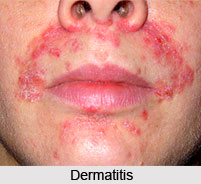
 Dermatitis is a common skin disease which is an inflammation of the skin, both external and internal. It is also called as eczema and the terms, "dermatitis" and "eczema" are often used interchangeably. The disease is characterised by redness, swelling, heat and pain or itching. The disease is extremely itchy; however, scratching can damage the fragile skin and aggravate the problem. For this reason, it is important for the eczema-affected people to try to leave the area alone.
Dermatitis affects about one in every five people at some time in their lives. It can affect any part of the body, it is most commonly found in the genital areas and exposed areas. Among children and adults, eczema typically develops on the face, neck, insides of the elbows, knees and ankles. The disease can develop on the forehead, cheeks, forearms, legs, scalp and neck, among the infants. The substances that are the main causes for producing inflammation of the epidermis or dermis are called irritants.
Causes of Dermatitis
There are many causes behind the development of Dermatitis. If a person use degreasing agents like soaps, too frequently over a short time, it can cause dryness, redness, fissuring and irritation of the skin. Usually, different clinical substances give rise to Dermatitis. More than 100 plants have also been identified as potential causes of dermatitis. Apart from these, external contacts with irritating chemicals can cause dermatitis.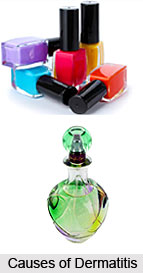 Most cases of industrial dermatitis that arise on hands or forearms are actually caused because of the contact with the irritants. Certain drugs applied externally are also identified as potential causes of dermatitis. The other causes behind development of dermatitis include hair dyes, bleaches, skin tonics, nail polish, perfume, wool, silk, nylon, floor-wax and various detergents. Indiscretion in diet, deficiency of vitamin A, nervous and emotional strains, etc. are also considered as causes of dermatitis, as well.
Symptoms of Dermatitis
Dermatitis can be identified through various symptoms. The symptoms of dermatitis are identifiable from their appearances. The symptoms vary according to its severity and the stage of its evolution. Erythema or redness is the primary symptom of dermatitis, and it is accompanied by intense itching. Erythema is followed by swelling of the skin, caused due to oedema (excessive fluid retention). The vesicles may appear after swelling. The bases of vesicles may exude serum in case of rupture and this condition is termed as "Weeping Dermatitis". At a later period, the serum dries up and forms crusts. Sometimes, it may lead to blisters and oozing lesions, though it can result in dry and scaly skin, as well. In few cases, the symptoms of dermatitis persist over a longer time and are referred to as "Chronic Dermatitis". However, the appearance of dermatitis or eczema may vary from person to person and also according to the specific type of eczema. Psychological stresses can provoke or aggravate dermatitis, as well, presumably by suppressing the normal immune mechanisms.
Diagnosis of Dermatitis
Dermatitis can be diagnosed through a thorough physical examination of the skin as well as the patient"s account of the history of the condition. The timing of the disease`s appearance, whether it is associated with any changes in environment or contact with certain materials, and whether it is aggravated in any specific situations, etc, are also examined. Allergy tests, including a skin "patch test", are also sometimes conducted if allergic contact dermatitis is suspected.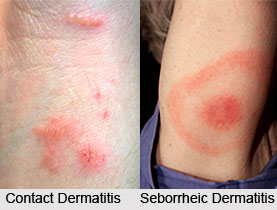
Types of Dermatitis
There are different types of dermatitis seen in human body. Almost all the types have in common an allergic reaction to specific allergens. Dermatitis can largely be divided into two types, like acute and chronic. The Acute Dermatitis refers to a rapidly evolving red rash that may be blistered and swollen. On the other hand, the Chronic Dermatitis refers to a longstanding irritable area, which is often darker than the surrounding skin, thickened and much scratched. Apart from these, another two commonly seen types of dermatitis are Allergic Dermatitis and Contact Dermatitis. These two types are mostly seen in workplace. The other common types of dermatitis include the Atopic Dermatitis, Seborrheic Dermatitis, Nummular Dermatitis, Neuro Dermatitis, Stasis Dermatitis, Dyshidrotic Dermatitis, etc.
Treatment of Dermatitis
Dermatitis can be treated following several treatment methods. The treatment of dermatitis in alternative medicine include the medications like Ayurveda, Homoeopathy, Naturopathy or nature care, Aromatherapy, home remedies, water treatments, various exercises, etc. The main objective behind the treatment of dermatitis is to prevent itching, inflammation and worsening of the condition. Its treatment may involve both lifestyle changes and the use of medications.
One of the most common skin diseases, dermatitis can become dangerous if not treated in time. However, the treatment of dermatitis is always done based upon an individual"s age, overall health status, and the type and severity of the condition.