


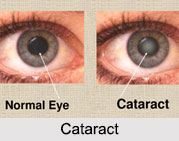
 Cataract is among the most common eye disorders, where the patient finds it difficult to see things in focus. Cataracts are basically clumps of protein that collect on the lens of an eye and interfere with vision. It refers to the opacity of the crystalline lens of the eye on the assumption that the condition is caused by the tumor of the brain falling over the pupil. Thus, in cataract, the crystalline lens becomes opaque. This seriously hampers the entrance of light into the eye, resulting in blindness since no light rays permeates the opacity of the lens. In this eye disorder, opaque, clear vision of the person is compromised. Cataracts may happen as partial or complete, stationary or progressive, hard or soft. Cataract is among the most common eye disorders, where the patient finds it difficult to see things in focus. Cataracts are basically clumps of protein that collect on the lens of an eye and interfere with vision. It refers to the opacity of the crystalline lens of the eye on the assumption that the condition is caused by the tumor of the brain falling over the pupil. Thus, in cataract, the crystalline lens becomes opaque. This seriously hampers the entrance of light into the eye, resulting in blindness since no light rays permeates the opacity of the lens. In this eye disorder, opaque, clear vision of the person is compromised. Cataracts may happen as partial or complete, stationary or progressive, hard or soft.
Stages of Cataract In the early stage, the vision becomes better in the evening than in the daylight since light is admitted round the more widely-dilated pupil in the dark. But later, in the advanced stage, the objects and persons may appear merely blobs of light. In the final stage, there is a greyish white discoloration in the pupil. Types of Cataract Cataracts can be of varied kind and can be classified depending on its types. Cataracts are classified on the basis of age related factors. This eye disorder can be of subsequent types namely - Causes of Cataract 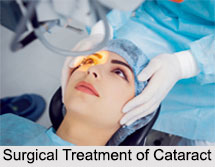 Cataracts can develop for myriad reasons. The foremost factor of the causes of cataract is mainly long-term exposure to ultraviolet light and exposure to radiation. Cataract can also develop when protein in the lens clumps together and blocks light from reaching the retina and this develops as a result of chemical changes in the lens that occurs with aging. Most cataracts develop slowly over time and are a natural result of aging. In addition to that causes of Cataract are often associated with other defects of the eyes. Cataracts can develop for myriad reasons. The foremost factor of the causes of cataract is mainly long-term exposure to ultraviolet light and exposure to radiation. Cataract can also develop when protein in the lens clumps together and blocks light from reaching the retina and this develops as a result of chemical changes in the lens that occurs with aging. Most cataracts develop slowly over time and are a natural result of aging. In addition to that causes of Cataract are often associated with other defects of the eyes.
Cataracts are also caused due to certain secondary effects of diseases such as diabetes, hypertension and advanced age, or trauma as well as genetic disorders. This eye disease is based on a faulty life style as well as other diseases. The stress and strain, excessive intake of alcoholic drinks, sugar, salt, smoking, certain physical ailments such as gastro-intestinal or gallbladder disturbance, diabetes, vitamin deficiencies, especially of vitamin C, fatty acid intolerances, ageing, radiation and side-effects of drugs prescribed for other diseases can be identified as the cause of cataract. The poisons in the blood stream due to dietetic errors can also be the cause of cataract. Cataracts can also be caused due to poor nutrition. Symptoms of Cataract One of the premier symptoms of a person affected by cataract starts having a blurred vision. Moreover with the disease taking a more intense form, the patient may get double vision or spots or both, resulting in a gradual increase in blindness. Treatment of Cataract However, though varied types exist in this eye disorder, yet extensive treatments can help rectify the disease. Although, surgical operation is an imperative treatment of Cataract, yet this eye disorder can be cured by Nature means too. Besides, cataracts have been rectified by proper nutritional treatment also. In several cases, diets for the treatment of Cataract play a vital role. This treatment of cataract undergoes with fasting for 3 to 4 days on orange juice and water. The diet of the cataract patient should be high in vitamin B2, B6, C, D, E and other nutrients. Cataract is not completely preventable disease; however the occurrence of this ailment can be delayed. A proper life style can act as a catalyst in preventing cataract. Quitting smoking, avoiding overexposure to sunlight and eating plenty of fresh fruits and vegetables can delay the formation of cataracts. It can be cured by surgery and alternative medications also. Though this eye disorder gradually leads to low vision or blindness, yet proper diagnosis in the early stage can help in the huge improvement in vision in almost all cases. |
| |||



Cataract
| Cataract is an eye disorder that develops because of the protein formation in the lens and interferes with vision. |
| ||||||||||||||||||||||||||||

